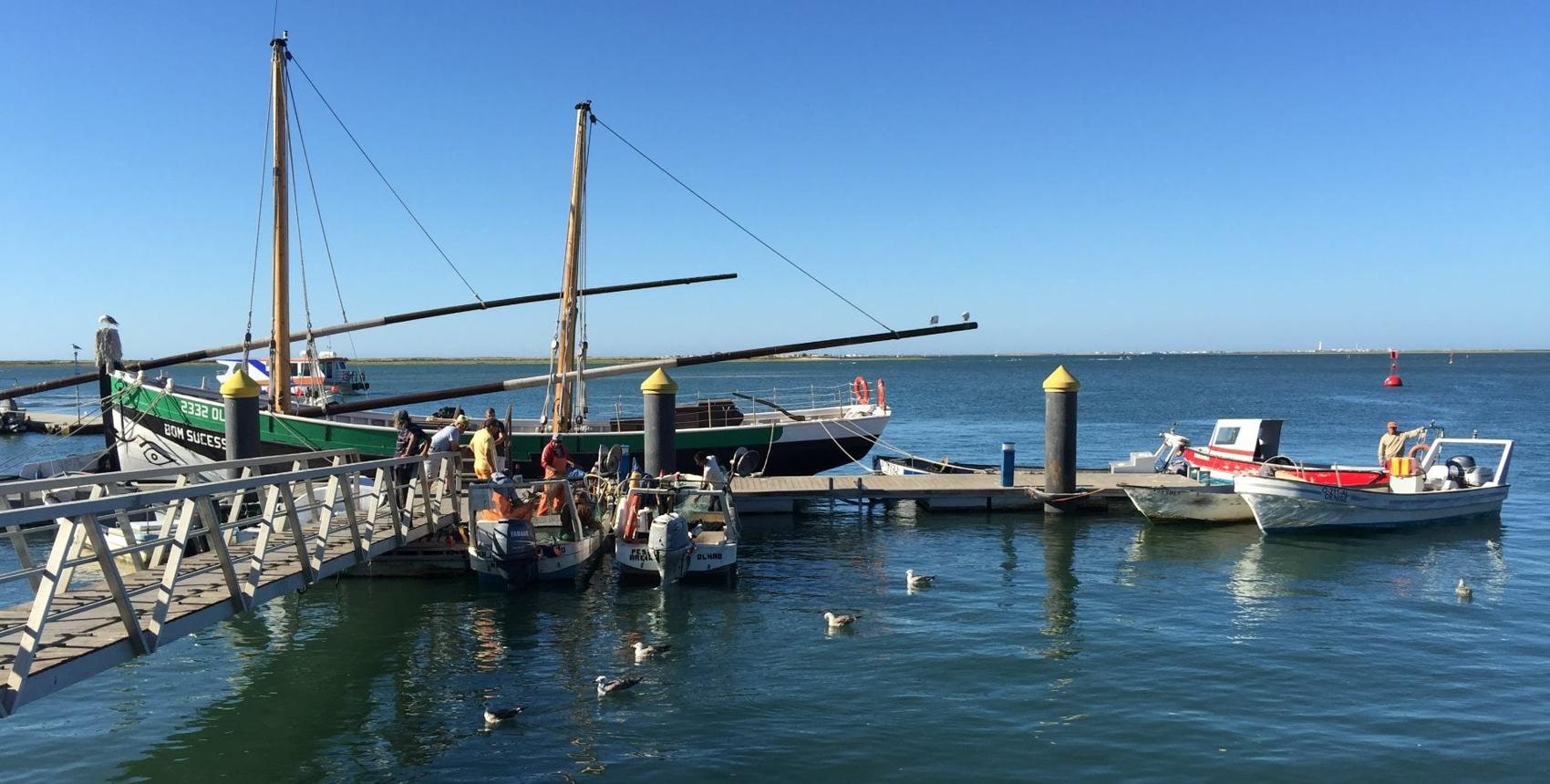
Rønne: The harbour on Bornholm’s western shore was built for cod. What comes ashore now is mostly herring and sprat, and the proposal the European Commission has put on the table for 2027 confirms that this is no longer a temporary arrangement.
The Commission adopted its proposals for Baltic Sea fishing opportunities on 24 August, covering the ten stocks managed at EU level. The headline numbers are unusually generous for pelagic species. Central Baltic herring would rise by 49 per cent, sprat by 44 per cent, Gulf of Riga herring by 11 per cent and Bothnian herring by 3 per cent. Plaice and the salmon quotas for the main basin and the Gulf of Finland would stay where they are.
Cod moves in the opposite direction, and sharply. The quotas that exist only to cover unavoidable by-catch, since directed fishing has been closed for years, would fall by 88 per cent for western Baltic cod and 51 per cent for eastern Baltic cod. Western Baltic herring by-catch would drop 45 per cent.
Those percentages describe two different biological situations that happen to share a sea. The pelagic increases follow scientific advice indicating that herring and sprat recruitment has improved, helped by a food web that has reorganised itself around the absence of a large predatory cod population. The cod reductions follow advice that the eastern stock in particular remains in a condition that the scientists have described in consistently bleak terms for more than a decade: fish that mature early, grow slowly, and die before reaching a commercially meaningful size.
The by-catch mechanism is where the policy argument concentrates. A by-catch quota is an accounting device. It allows vessels targeting flatfish or pelagics to land the cod they cannot avoid catching, rather than forcing them to discard it or tie up entirely. Cut it too far and the practical result is not less cod mortality but more discarding, or a choke effect that shuts down fisheries for species that are perfectly healthy. Cut it too little and the device becomes a loophole that keeps a collapsed stock under continuous pressure.
Environmental groups argue that the Commission has repeatedly erred on the permissive side, and that eastern Baltic cod is the clearest example in European waters of a stock managed into irrelevance one small concession at a time. Fishing organisations in Denmark, Germany, Sweden and Poland argue that cod mortality is now driven far more by seal predation, oxygen-depleted bottom water and nutrient loading from agriculture than by a fleet that has already been reduced to a fraction of its former size.
Both positions contain something true, which is why the argument does not resolve. The Baltic is a brackish, poorly flushed basin with a chronic eutrophication problem and expanding dead zones. Fisheries management can address one variable in that system. It cannot address the nutrient loads arriving from eight countries’ river catchments, and the instruments that could are largely agricultural and national.
The Council will attempt a political agreement at its meeting on 26 and 27 October, with formal adoption following in November. The pattern in recent years has been for ministers to land somewhere above the Commission’s proposed figures, particularly on the by-catch lines where coastal fleets in the western Baltic have the most immediate exposure. Whether that pattern holds when the proposed cut is 88 per cent rather than a marginal adjustment is the question the October meeting will answer.
For Bornholm the arithmetic is already settled. The island’s fleet has spent years converting to pelagic gear or leaving the business. A 49 per cent herring increase is real money for those who made the first choice. It does not bring the cod back, and nobody on the quay expects it to.