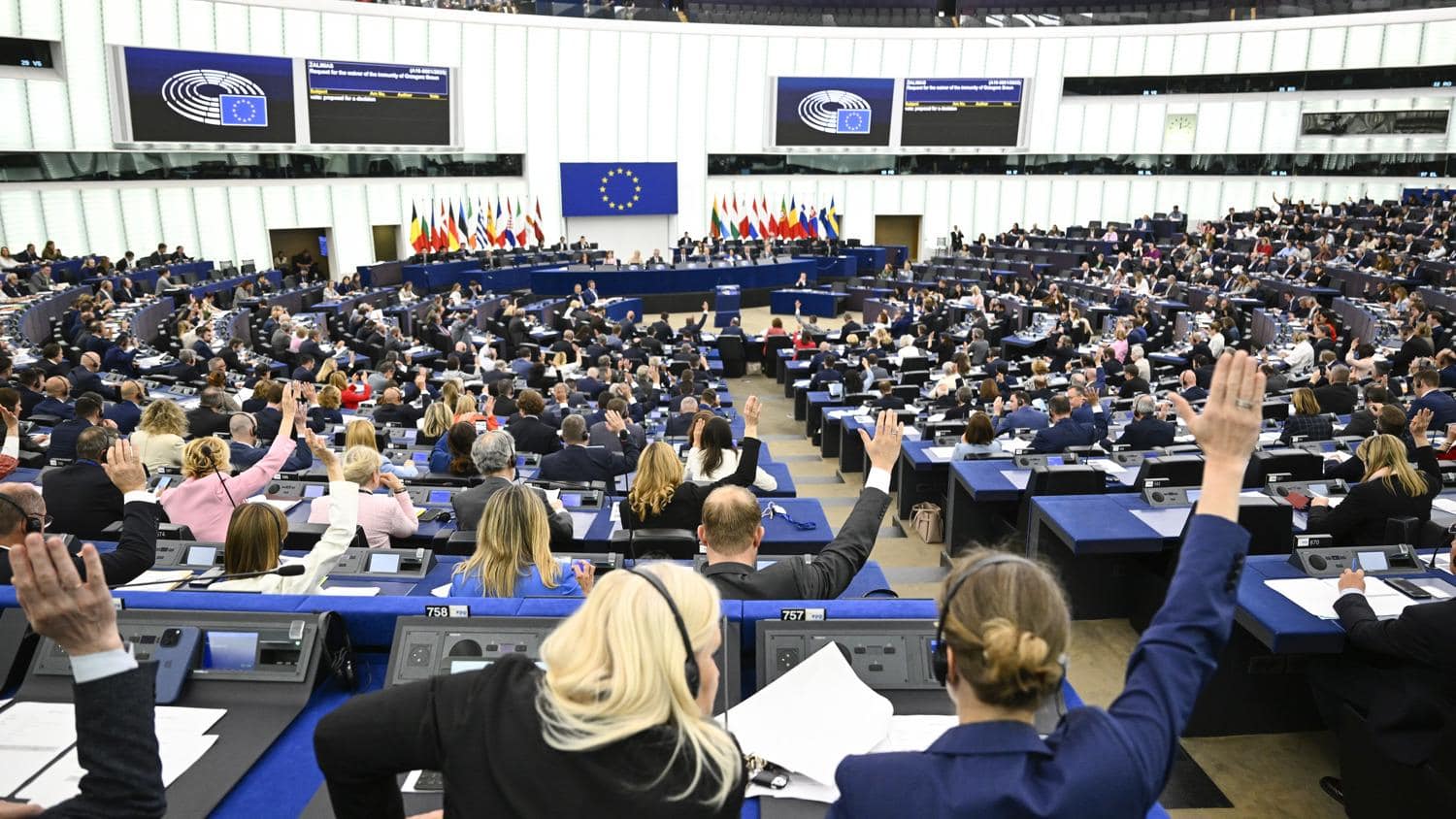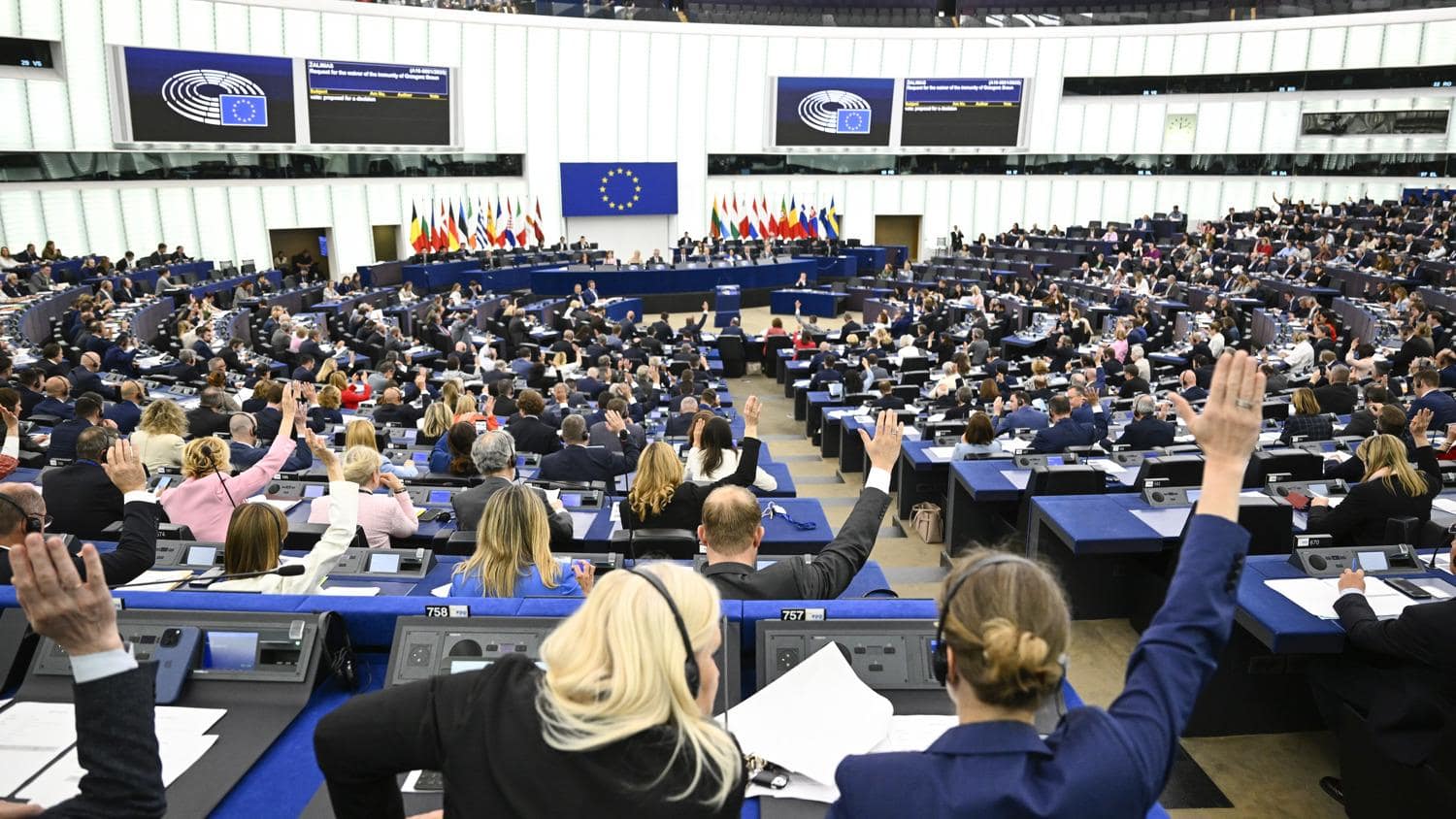
Strasbourg: The European Parliament adopted its position on the 2027 EU budget on 21 October 2026 by 400 votes to 189, with 84 abstentions. The resolution asks for €194 billion in commitments, which is €1.17 billion above the Commission proposal, and €203.3 billion in payments.
The 2027 EU budget is the seventh and final annual budget of the 2021-2027 financial framework, so it closes a cycle before the next long-term budget begins. The Council agreed its own position in mid-July at €191.88 billion in commitments and €202.07 billion in payments, which it called prudent. Irish Finance Minister Simon Harris said it gives the Union financial capacity to handle complex geopolitical realities.
Parliament wants more money for several programmes. It proposes additions of €85 million for LIFE, €80 million for the Civil Protection Mechanism, €63 million for Horizon Europe, €50 million for EU4Health and €40 million for humanitarian aid. The agricultural guarantee fund would gain €85 million, of which €20 million is for young farmers.
Debt service is the hidden fight. The recovery-instrument repayment line stands at €9.9 billion in the Commission draft, €9.72 billion in the Council position and €7.97 billion in the 2026 budget, and interest on the Ukraine loan adds €1.15 billion. Parliament wants these costs met with dedicated funding and not by cutting Horizon Europe, Erasmus+ or civil protection.
The rapporteurs are Nils Ušakovs of the Socialists and Democrats, who serves as general rapporteur, and Michalis Hadjipantela of the European People’s Party. Their mandate now meets the Council in annual budget talks that begin on 3 November 2026.
The Council position is lower than Parliament’s on both lines, so negotiators must bridge about €2.1 billion in commitments and about €1.2 billion in payments on the 2027 EU budget.
The clock is tight. Brussels Times puts the statutory conciliation deadline at midnight on 16 November 2026, while the Danish government’s Lovguiden site speaks of three weeks to reach agreement, and the two sources were not reconciled. If negotiators miss the deadline, the Commission must present a new draft.
Several details remain open. The sources do not say how the extra €1.17 billion would be financed, and they do not give the total size of the 2027 EU budget. The procedure number is also missing from the material reviewed.
The gap between the two positions is only about €2 billion in commitments, which suggests a deal is within reach. The 2027 EU budget will still test whether the institutions can agree on debt costs before the larger 2028-2034 negotiation absorbs their attention.