August 11, 2026
LATEST
Air Passenger Rights Get Their First Overhaul in Two DecadesDeforestation Regulation Nears Its December Compliance DeadlineHealth Data Space Enters Its First Operational PhaseBroken Appliances Now Come With a Right to Be FixedScorched Fields Leave Europe Counting Its Harvest LossesEurope Courts Central Asia to Break Its Reliance on Russian TransitMercosur Deal Takes Effect in Limbo as Judges Weigh Its FateEurope’s Air Quality Improves but WHO Limits LoomTwelve New EU Medicines Win a Green Light from EMAFIFA Agent Rules Must Answer to Europe’s CourtsTachograph Rules Now Reach Vans Crossing Europe’s BordersNature Restoration Plans Come Due as a Hard Deadline NearsBrussels Opens a State Aid Probe Into Spain’s Renewables PayoutBrussels Extends Its Tariff Suspension on US Goods IndefinitelyFarmers Win Stronger Contract Rights Across the EU Supply ChainEurope Finally Locks In Its 348-Satellite Answer to StarlinkPlatform Work Rules Face a National Scramble Before DecemberDuty-Free Parcels Reach the End of the Line for EU ShoppersAfter Nine Years, Europe and Australia Seal a Trade PactBeijing Answers Europe’s Russia Sanctions in KindAir Passenger Rights Get Their First Overhaul in Two DecadesDeforestation Regulation Nears Its December Compliance DeadlineHealth Data Space Enters Its First Operational PhaseBroken Appliances Now Come With a Right to Be FixedScorched Fields Leave Europe Counting Its Harvest LossesEurope Courts Central Asia to Break Its Reliance on Russian TransitMercosur Deal Takes Effect in Limbo as Judges Weigh Its FateEurope’s Air Quality Improves but WHO Limits LoomTwelve New EU Medicines Win a Green Light from EMAFIFA Agent Rules Must Answer to Europe’s CourtsTachograph Rules Now Reach Vans Crossing Europe’s BordersNature Restoration Plans Come Due as a Hard Deadline NearsBrussels Opens a State Aid Probe Into Spain’s Renewables PayoutBrussels Extends Its Tariff Suspension on US Goods IndefinitelyFarmers Win Stronger Contract Rights Across the EU Supply ChainEurope Finally Locks In Its 348-Satellite Answer to StarlinkPlatform Work Rules Face a National Scramble Before DecemberDuty-Free Parcels Reach the End of the Line for EU ShoppersAfter Nine Years, Europe and Australia Seal a Trade PactBeijing Answers Europe’s Russia Sanctions in Kind
August 11, 2026
LATEST
Air Passenger Rights Get Their First Overhaul in Two DecadesDeforestation Regulation Nears Its December Compliance DeadlineHealth Data Space Enters Its First Operational PhaseBroken Appliances Now Come With a Right to Be FixedScorched Fields Leave Europe Counting Its Harvest LossesEurope Courts Central Asia to Break Its Reliance on Russian TransitMercosur Deal Takes Effect in Limbo as Judges Weigh Its FateEurope’s Air Quality Improves but WHO Limits LoomTwelve New EU Medicines Win a Green Light from EMAFIFA Agent Rules Must Answer to Europe’s CourtsTachograph Rules Now Reach Vans Crossing Europe’s BordersNature Restoration Plans Come Due as a Hard Deadline NearsBrussels Opens a State Aid Probe Into Spain’s Renewables PayoutBrussels Extends Its Tariff Suspension on US Goods IndefinitelyFarmers Win Stronger Contract Rights Across the EU Supply ChainEurope Finally Locks In Its 348-Satellite Answer to StarlinkPlatform Work Rules Face a National Scramble Before DecemberDuty-Free Parcels Reach the End of the Line for EU ShoppersAfter Nine Years, Europe and Australia Seal a Trade PactBeijing Answers Europe’s Russia Sanctions in KindAir Passenger Rights Get Their First Overhaul in Two DecadesDeforestation Regulation Nears Its December Compliance DeadlineHealth Data Space Enters Its First Operational PhaseBroken Appliances Now Come With a Right to Be FixedScorched Fields Leave Europe Counting Its Harvest LossesEurope Courts Central Asia to Break Its Reliance on Russian TransitMercosur Deal Takes Effect in Limbo as Judges Weigh Its FateEurope’s Air Quality Improves but WHO Limits LoomTwelve New EU Medicines Win a Green Light from EMAFIFA Agent Rules Must Answer to Europe’s CourtsTachograph Rules Now Reach Vans Crossing Europe’s BordersNature Restoration Plans Come Due as a Hard Deadline NearsBrussels Opens a State Aid Probe Into Spain’s Renewables PayoutBrussels Extends Its Tariff Suspension on US Goods IndefinitelyFarmers Win Stronger Contract Rights Across the EU Supply ChainEurope Finally Locks In Its 348-Satellite Answer to StarlinkPlatform Work Rules Face a National Scramble Before DecemberDuty-Free Parcels Reach the End of the Line for EU ShoppersAfter Nine Years, Europe and Australia Seal a Trade PactBeijing Answers Europe’s Russia Sanctions in Kind

Migrant Parents Win the Right to an Effective Remedy

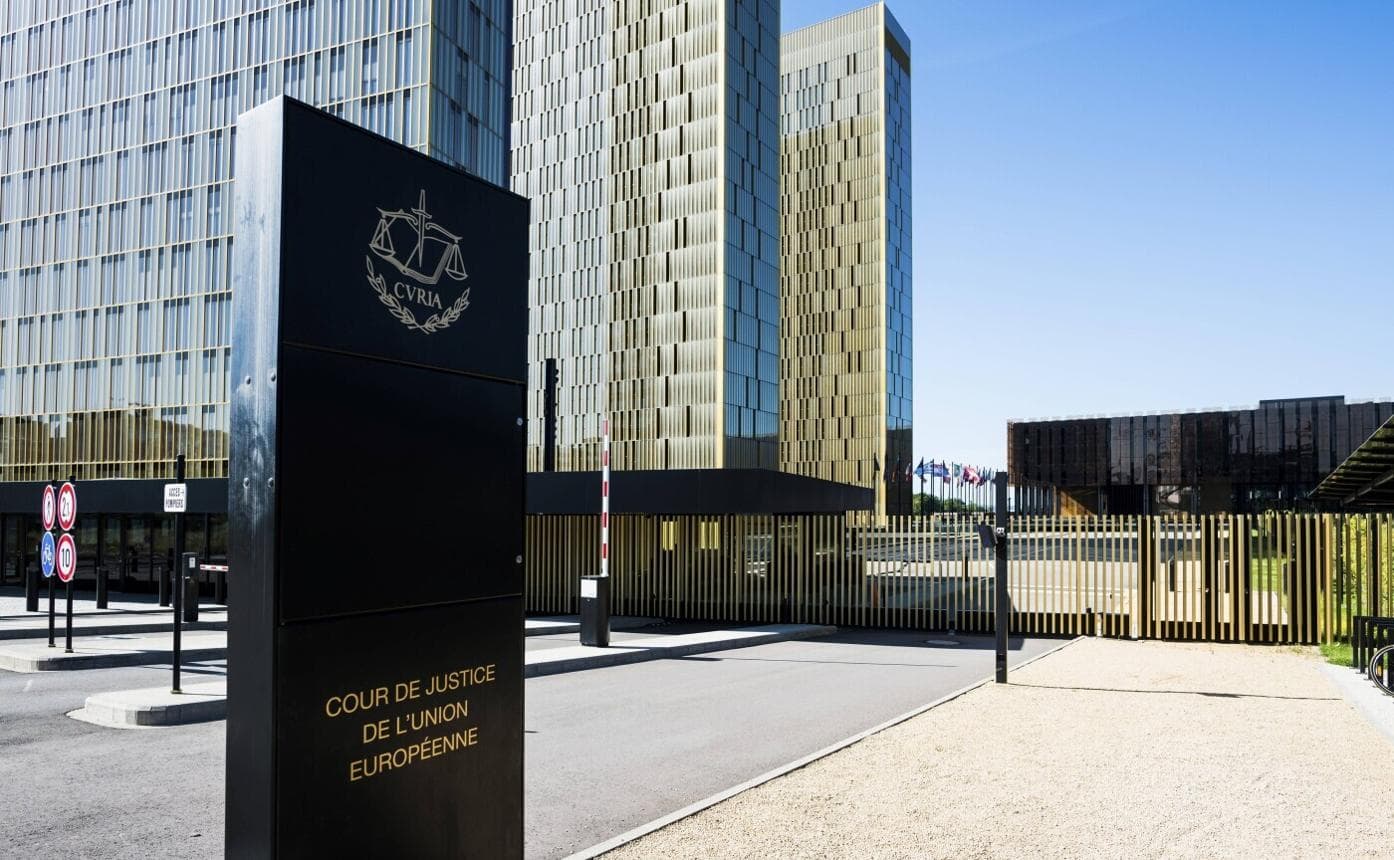
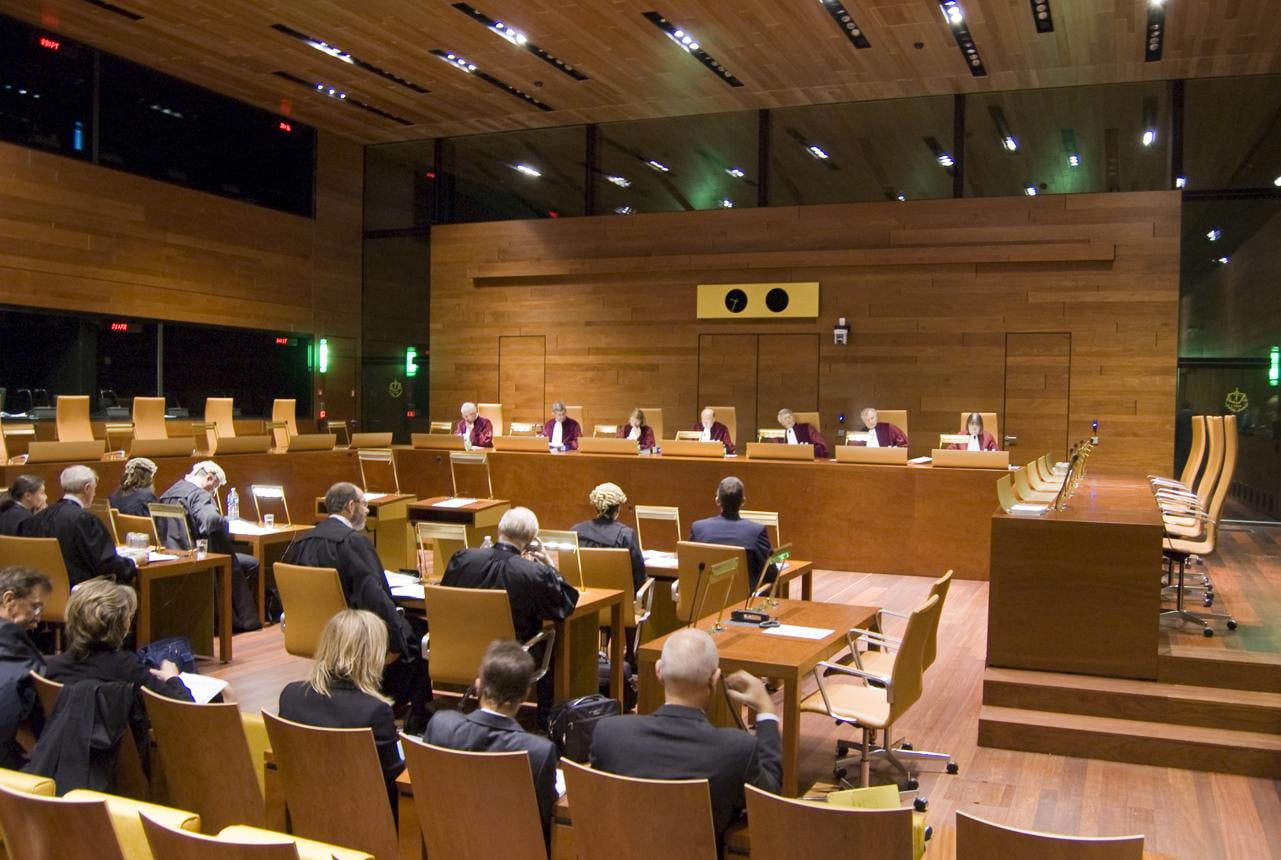
Luxembourg: The European Union’s top court has drawn a firm line under the use of secret evidence against migrants, ruling that the parent of a young EU citizen must have an effective remedy when authorities order them to leave. The judgment, delivered on 16 July, tells governments they cannot expel someone on the strength of classified files the person never gets to challenge.

The case concerned a third-country national raising a child who holds citizenship of a member state. National authorities had issued a return decision resting on intelligence marked confidential, and the individual could neither see the material nor answer it. The Court of Justice held that such a process cannot stand where fundamental rights and family life are at stake.

Judges grounded their reasoning in the Charter of Fundamental Rights, which guarantees access to a court and a fair hearing. Security services may keep genuinely sensitive sources hidden, the court accepted, but a national judge must still be able to examine the classified evidence and test whether it justifies the decision. The person affected must receive, at the very least, the substance of the case against them.

Luxembourg, home to the court, has become the arena where Europe balances border control against individual rights, and this ruling tilts the scales toward the individual. It builds on a line of cases that treats the effective remedy as more than a formality, insisting that judicial review must be real rather than symbolic.

The practical consequences reach well beyond a single family. Several member states lean on classified information in migration and security files, and their courts will now have to guarantee that a judge can scrutinise the secret material behind closed doors. Blanket refusals to disclose anything, the ruling makes clear, will no longer survive legal challenge.

Governments will not welcome the extra work. Interior ministries argue that showing their hand can burn informants and tip off networks, and they will press for procedures that let judges review evidence without exposing sources. The court has left that door open, but it has closed the one that allowed expulsions to proceed on unexamined suspicion.

Rights groups called the decision a milestone for due process, noting that children who are EU citizens have a direct stake when a parent faces removal. The court weighed that dependency heavily, treating the child’s rights as part of the equation rather than an afterthought. The full text and summary appear through the court’s press service.

National courts must now apply the principle case by case, and litigation will surely follow over how much disclosure counts as enough. For now, the message from Luxembourg is plain: security concerns are real, but they cannot erase the right to a fair fight in court.