September 24, 2026
LATEST
Rights Groups Test the EU Civil Society Strategy as Pressure MountsJudges Weigh EU Staff Nationality Quotas in Parliament Hiring CasePatents Could Unlock Startup Loans Under the European Innovation ActHungary EU Funds Move Closer as Commission Lifts Rule of Law FreezeMinisters Debate Chips Act 2.0 as Europe Pushes for More Chip OutputMontenegro Waits on a Dutch Vote as the EU Enlargement Sprint StallsGlobal Green Bond Initiative Bets on Private Money for PartnersEurope Draws a Line on Strait of Hormuz Tolls as Iran Talks ResumeStrasbourg Lets the European Defence Fund Pay for Tests in UkraineCSAM Regulation Talks Hinge on Scanning Private MessagesGoogle GDPR Fine of €403 Million Puts Location Data on TrialMFF 2028-2034 Talks Stall as Ministers Hold Their Red LinesBanks Contest Key Parts of the EU Banking Competitiveness PlanEMFAF Amendment Offers Fishers Simpler Rules and a Quota Cut CushionTeachers Trail Pupils as AI in Education Reports Expose a Training GapMacron Presses Brussels to Relax EU Fuel Quality Rules Before WinterEurostat Fuel Prices Jump 23.8 Per Cent as Diesel Leads August RiseData Centre Rating Scheme Puts Energy and Water Use on the EU RecordEU Indo-Pacific Security Partnerships Move From Paper to the SeaEU Thailand Free Trade Agreement Heads to Phuket for Its Final ThirdRights Groups Test the EU Civil Society Strategy as Pressure MountsJudges Weigh EU Staff Nationality Quotas in Parliament Hiring CasePatents Could Unlock Startup Loans Under the European Innovation ActHungary EU Funds Move Closer as Commission Lifts Rule of Law FreezeMinisters Debate Chips Act 2.0 as Europe Pushes for More Chip OutputMontenegro Waits on a Dutch Vote as the EU Enlargement Sprint StallsGlobal Green Bond Initiative Bets on Private Money for PartnersEurope Draws a Line on Strait of Hormuz Tolls as Iran Talks ResumeStrasbourg Lets the European Defence Fund Pay for Tests in UkraineCSAM Regulation Talks Hinge on Scanning Private MessagesGoogle GDPR Fine of €403 Million Puts Location Data on TrialMFF 2028-2034 Talks Stall as Ministers Hold Their Red LinesBanks Contest Key Parts of the EU Banking Competitiveness PlanEMFAF Amendment Offers Fishers Simpler Rules and a Quota Cut CushionTeachers Trail Pupils as AI in Education Reports Expose a Training GapMacron Presses Brussels to Relax EU Fuel Quality Rules Before WinterEurostat Fuel Prices Jump 23.8 Per Cent as Diesel Leads August RiseData Centre Rating Scheme Puts Energy and Water Use on the EU RecordEU Indo-Pacific Security Partnerships Move From Paper to the SeaEU Thailand Free Trade Agreement Heads to Phuket for Its Final Third
September 24, 2026
LATEST
Rights Groups Test the EU Civil Society Strategy as Pressure MountsJudges Weigh EU Staff Nationality Quotas in Parliament Hiring CasePatents Could Unlock Startup Loans Under the European Innovation ActHungary EU Funds Move Closer as Commission Lifts Rule of Law FreezeMinisters Debate Chips Act 2.0 as Europe Pushes for More Chip OutputMontenegro Waits on a Dutch Vote as the EU Enlargement Sprint StallsGlobal Green Bond Initiative Bets on Private Money for PartnersEurope Draws a Line on Strait of Hormuz Tolls as Iran Talks ResumeStrasbourg Lets the European Defence Fund Pay for Tests in UkraineCSAM Regulation Talks Hinge on Scanning Private MessagesGoogle GDPR Fine of €403 Million Puts Location Data on TrialMFF 2028-2034 Talks Stall as Ministers Hold Their Red LinesBanks Contest Key Parts of the EU Banking Competitiveness PlanEMFAF Amendment Offers Fishers Simpler Rules and a Quota Cut CushionTeachers Trail Pupils as AI in Education Reports Expose a Training GapMacron Presses Brussels to Relax EU Fuel Quality Rules Before WinterEurostat Fuel Prices Jump 23.8 Per Cent as Diesel Leads August RiseData Centre Rating Scheme Puts Energy and Water Use on the EU RecordEU Indo-Pacific Security Partnerships Move From Paper to the SeaEU Thailand Free Trade Agreement Heads to Phuket for Its Final ThirdRights Groups Test the EU Civil Society Strategy as Pressure MountsJudges Weigh EU Staff Nationality Quotas in Parliament Hiring CasePatents Could Unlock Startup Loans Under the European Innovation ActHungary EU Funds Move Closer as Commission Lifts Rule of Law FreezeMinisters Debate Chips Act 2.0 as Europe Pushes for More Chip OutputMontenegro Waits on a Dutch Vote as the EU Enlargement Sprint StallsGlobal Green Bond Initiative Bets on Private Money for PartnersEurope Draws a Line on Strait of Hormuz Tolls as Iran Talks ResumeStrasbourg Lets the European Defence Fund Pay for Tests in UkraineCSAM Regulation Talks Hinge on Scanning Private MessagesGoogle GDPR Fine of €403 Million Puts Location Data on TrialMFF 2028-2034 Talks Stall as Ministers Hold Their Red LinesBanks Contest Key Parts of the EU Banking Competitiveness PlanEMFAF Amendment Offers Fishers Simpler Rules and a Quota Cut CushionTeachers Trail Pupils as AI in Education Reports Expose a Training GapMacron Presses Brussels to Relax EU Fuel Quality Rules Before WinterEurostat Fuel Prices Jump 23.8 Per Cent as Diesel Leads August RiseData Centre Rating Scheme Puts Energy and Water Use on the EU RecordEU Indo-Pacific Security Partnerships Move From Paper to the SeaEU Thailand Free Trade Agreement Heads to Phuket for Its Final Third

Political Parody Meets the CJEU Trademark Ruling on Due Cause

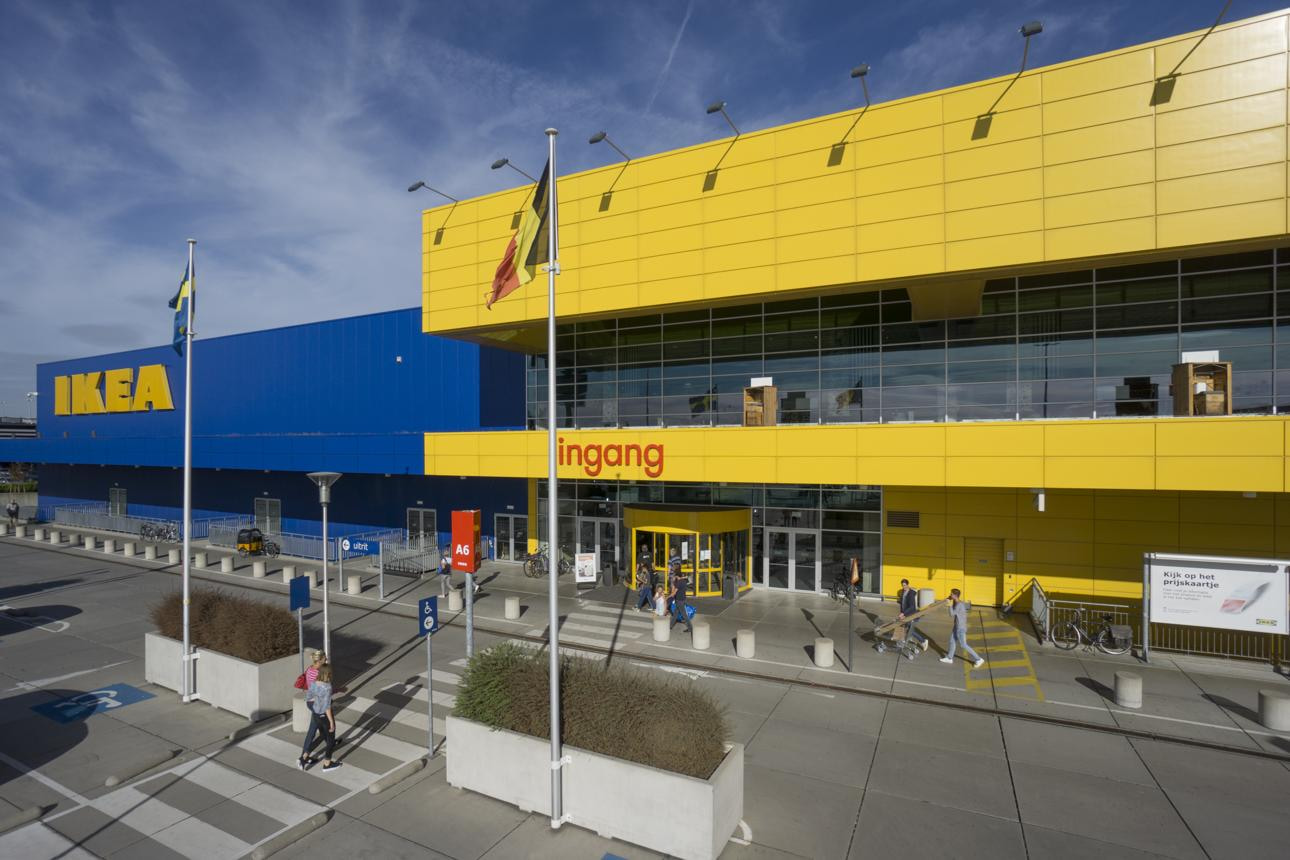
Antwerp: The CJEU trademark ruling delivered on 8 September 2026 began with a press conference in this city four years ago, at which a Flemish political party presented fifteen proposals on asylum and immigration under the name IKEA-PLAN, an acronym for Immigratie Kan Echt Anders, and illustrated them with the flat-pack visual grammar that the Swedish furniture group has spent decades making instantly legible. The proposals were described as ready to assemble. The little wordless figures from the assembly instructions appeared alongside them. Inter IKEA Systems BV went to court in Belgium, the Belgian court referred the question to Luxembourg, and the Grand Chamber has now answered it.

The answer matters well beyond the parties. At issue was the concept of due cause in Article 9(2)(c) of the EU Trade Mark Regulation, the safety valve that permits a third party to use a mark with a reputation in ways that would otherwise be unlawful. Everyone accepted that freedom of expression under Article 11 of the Charter of Fundamental Rights could in principle supply that due cause. The contested question was what a defendant must actually show.

The Court held that invoking freedom of expression is not by itself enough. A party relying on political speech or political parody must identify the specific reasons, connected to the exercise of that freedom, which justify using that particular mark, and must explain why those reasons should prevail over the interests of the proprietor. The framing treats the dispute as a collision between two fundamental rights rather than as a commercial right yielding to a constitutional one, because intellectual property is itself protected under Article 17(2) of the Charter. Neither right is absolute, and the balancing is done case by case on the facts.

That structure makes the CJEU trademark ruling a real shift in emphasis. Earlier case law, and much national practice built on it, allowed parody and political commentary a fairly generous berth once the expressive purpose was established. The Grand Chamber has moved the burden onto the speaker to articulate why this mark, rather than any other means of making the point, was necessary or at least justified. Trade mark practitioners have read the judgment as closing off what one Belgian firm described as free-riding dressed as satire, where the borrowed reputation does the persuasive work and the political content supplies the excuse.

Civil liberties organisations see the same holding from the other side. Their concern is that requiring a speaker to justify a rhetorical choice invites courts to second-guess political communication, and that well-resourced proprietors will use the requirement to impose litigation costs on campaigners regardless of the eventual outcome. The Court did not address that asymmetry, which is a question of national procedure rather than Union trade mark law, though it shapes how the ruling will function in practice.

National courts now apply the framework the CJEU trademark ruling has set out, starting with the Belgian court that made the reference. The factual findings there will be closely read, because the Grand Chamber set out the test without resolving the case, as is normal in preliminary references. Whether the IKEA-PLAN presentation survives the test it generated is a question for Belgian judges, and the answer will give the first concrete sense of how demanding the new standard is.

The broader significance sits in the pattern. Across several files this year the Court has been asked to reconcile fundamental rights that point in opposite directions, and it has consistently declined to establish hierarchies, preferring to define what each side must demonstrate. That approach produces judgments that are hard to summarise and harder to predict. It also leaves the balancing where the Court evidently thinks it belongs, with the national judge who has the file, the context and the evidence in front of them.