October 30, 2026
LATEST
Government Deficit Hits 3.3 percent Of GDP As Romania Falls To 9.2 percentTax-to-GDP Ratio Climbs To 40.7 percent With France Leading The UnionMinisters Weigh Higher Baltic Sea Fishing Quotas For Herring And SpratUnions And Startups Clash Over Worker Rights In The EU Inc PlanDigital Omnibus Mandate Keeps GDPR Definition And Cuts Cookie WaitGreece Landfill Referral Tests EU Waste Law ComplianceCritical Medicines Act Deal Faces Final Endorsement TestDefence Projects Of Common Interest Reshape EU RearmamentRiyadh EU-GCC Summit Delay Leaves Security Agenda WaitingCanada EU Summit Tests Brussels Language On MembershipLabour Market Holds As Euro Area Unemployment Rate Stays At 6.5 percentMauritania European Peace Facility Aid Rises To 75 Million EurosEurozone GDP Growth Beats Forecasts At 0.4 percent In Third QuarterCommission Supplier Diversification Tool Aims At China RiskWinter Price Spike Exposes The Wider EU Gas Storage GapToledo Crash Puts EU Rail Safety Rules Under ScrutinyEurostat Data Show EU Waste Generation At 765 Million TonnesAgri-Food Trade Surplus Climbs To 34.7 Billion As Imports FallMiddle Corridor Funding Meets German Industry Interest in AktauTurkey-Libya Maritime Deal Tests EU Diplomacy After Fidan TalksGovernment Deficit Hits 3.3 percent Of GDP As Romania Falls To 9.2 percentTax-to-GDP Ratio Climbs To 40.7 percent With France Leading The UnionMinisters Weigh Higher Baltic Sea Fishing Quotas For Herring And SpratUnions And Startups Clash Over Worker Rights In The EU Inc PlanDigital Omnibus Mandate Keeps GDPR Definition And Cuts Cookie WaitGreece Landfill Referral Tests EU Waste Law ComplianceCritical Medicines Act Deal Faces Final Endorsement TestDefence Projects Of Common Interest Reshape EU RearmamentRiyadh EU-GCC Summit Delay Leaves Security Agenda WaitingCanada EU Summit Tests Brussels Language On MembershipLabour Market Holds As Euro Area Unemployment Rate Stays At 6.5 percentMauritania European Peace Facility Aid Rises To 75 Million EurosEurozone GDP Growth Beats Forecasts At 0.4 percent In Third QuarterCommission Supplier Diversification Tool Aims At China RiskWinter Price Spike Exposes The Wider EU Gas Storage GapToledo Crash Puts EU Rail Safety Rules Under ScrutinyEurostat Data Show EU Waste Generation At 765 Million TonnesAgri-Food Trade Surplus Climbs To 34.7 Billion As Imports FallMiddle Corridor Funding Meets German Industry Interest in AktauTurkey-Libya Maritime Deal Tests EU Diplomacy After Fidan Talks

Rail Ticketing Proposal Tests Europe’s Fight Against Booking Maze

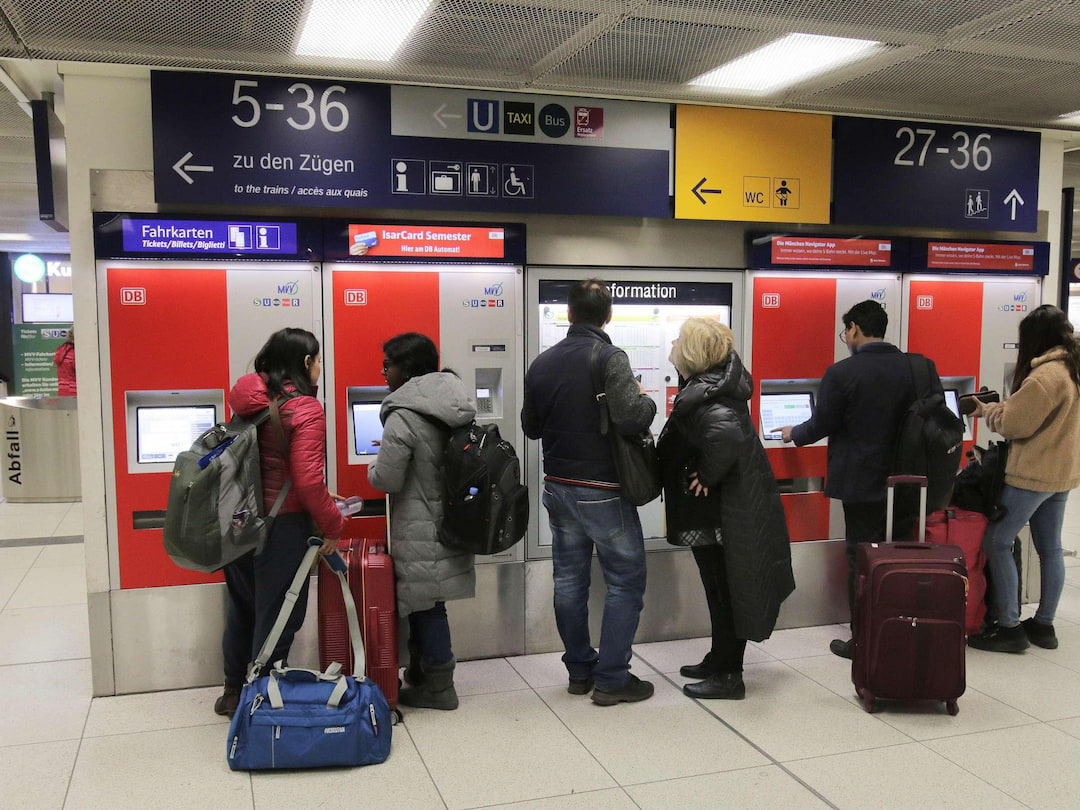
Brussels: The rail ticketing proposal now before the European Parliament aims to make buying an international train journey as simple as buying a flight. The European Commission defended the package before Parliament’s transport committee in early September 2026, and the Irish Presidency of the Council hopes to reach a general approach by the end of the year.

The rail ticketing proposal consists of three linked regulations. One covers multimodal booking, another covers rail ticketing for international journeys, and the third extends passenger rights to travellers on a single ticket. Together they respond to the Commission’s finding that voluntary industry agreements have not delivered a usable cross-border booking market.

Under the proposal, operators would have to agree terms with any platform that wants to sell their tickets. Platforms owned by dominant operators and considered indispensable would have to show all rail services in member states where their parent company holds significant market power. Tickets would go on sale at least five months in advance, which would help passengers plan long journeys.

The multimodal booking rules would apply to large platforms selling long-distance transport. They would face notification and fairness duties in their dealings with suppliers and customers, and they would have to rank offers neutrally. Emissions data could appear next to the results where operators provide it.

The third part of the rail ticketing proposal addresses the passenger who misses a connection through no fault of their own. Travellers on a single ticket would receive rerouting, refunds, compensation and assistance, and liability would fall on the railway undertaking that caused the disruption. The text also contains minimum connection times and a ban on artificially splitting journeys.

Members of the transport committee support the aim but have raised several concerns. They worry about the power of digital gatekeepers, about liability rules and ticket prices, and about a 12-hour limit in the passenger rights text. Some argued that the limit would leave travellers on long cross-border routes without compensation, which would undercut the purpose of the reform.

The Commission says the rail ticketing proposal does not seek to create a single European ticketing layer. It prefers to build on existing platforms and to give them a legal duty to cooperate, an approach that avoids a costly new system but depends on strong enforcement. Public service obligations cover around 60 percent of EU passenger rail services, so any change to ticket distribution will also touch national contracts.

The rail ticketing proposal will face tough bargaining. Large operators may resist opening their sales channels, while smaller carriers and independent platforms see a chance to reach new customers. If the Council and Parliament agree on a workable text, travellers could one day book a night train from Salzburg to a distant capital in one transaction with confidence that a missed connection will be fixed.