
Katowice: In the coal-and-steel heartland of Silesia, mayors who have spent two decades rebuilding their region with European money now fear losing their seat at the table. A fight over the future of cohesion policy is pitting the EU’s regions against a budget plan that would route their funding through national capitals.
At issue is the Commission’s proposal for the next long-term budget, which folds cohesion money, farm support and parts of migration and security spending into single National and Regional Partnership Plans. Governments, not regions, would negotiate those plans directly with the Commission.
Regional leaders read that design as a power grab. They warn that channelling funds through capitals sidelines the mayors and regional councils who actually deliver roads, clinics and job schemes, and who understand where the money does most good.
The European Parliament shares the alarm. Lawmakers threatened to reject the plan outright unless the Commission restored a genuine role for regions, and in late 2025 the Commission blinked, strengthening the partnership principle and adding regional checks meant to guarantee local involvement in drafting and spending.
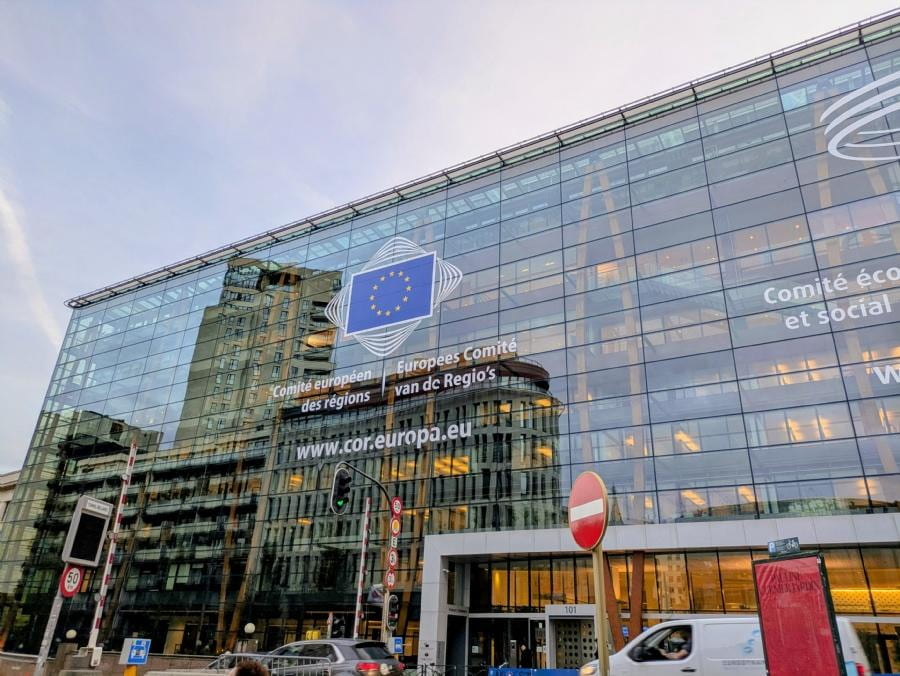
The European Committee of the Regions has kept up the pressure through 2026, arguing that a centralised model puts democracy and European unity at risk by loosening the link between EU spending and the places it reaches. Its members insist that cohesion policy works precisely because it is built from the ground up.
Supporters of the overhaul counter that the current system is a maze. Dozens of separate funds, each with its own rules and paperwork, slow money to a crawl and leave regions drowning in bureaucracy. A single plan per country, they argue, would speed delivery and let governments steer investment toward pressing needs such as housing, water and defence.
The stakes are largest for poorer and industrial regions that depend on transfers to close the gap with wealthier neighbours. For places like Silesia, still managing the long exit from coal, predictable EU support marks the difference between an orderly transition and a stalled one.
Economists warn of a subtler danger. If national governments control the purse, money may drift toward politically favoured areas rather than the regions that need it most, blunting the tool that has narrowed Europe’s internal divides. A recent Commission overview of the investment policy lays out the competing designs.
Negotiations run through the rest of the year, with Parliament and the Council expected to set their positions before winter. Regions are lobbying hard to write firm guarantees into the text rather than trust promises of consultation. The outcome will decide who holds the map when Europe redraws its cohesion policy.


