August 7, 2026
LATEST
New Zealand Trade With Europe Hits a Record in Its First YearEurope Locks Chinese Medical Devices Out of Its Public TendersHow Far Can Europe and Japan Take Their New Security Pact NowSeoul’s Gamble on Europe’s Research Money Is Starting to Pay OffEurope Freezes Its Retaliatory Tariffs on the US IndefinitelyAir Passenger Rights Get Their First Big Rewrite in 20 YearsFive Joint Defence Projects Win Brussels Backing and Shared CashTobacco Tax Overhaul Stalls as Governments Block UnanimityCritical Medicines Act Heads for Final Adoption This AutumnMoldova Accession Reaches Its Foreign-Policy ChapterMercosur Tariffs Fall as Europe’s Farmers Watch the GaugesWhy Europe’s Digital Fairness Act Worries Online RetailersErasmus+ Faces a Budget Fight Before Its 2028 RelaunchMedia Freedom Rules Turn One as Enforcement LagsPlatform Work Rules Push Member States Toward a December ReckoningSingle Ticket Plan Would Let One Booking Cover Europe by RailHungary Races an August Deadline to Unlock Its Recovery FundsCapitals Race a September Deadline to Restore NatureEuro-Zone Inflation Nudges Back Up as Energy Bills ClimbRed Bull Case Tests a New Frontier in EU AntitrustNew Zealand Trade With Europe Hits a Record in Its First YearEurope Locks Chinese Medical Devices Out of Its Public TendersHow Far Can Europe and Japan Take Their New Security Pact NowSeoul’s Gamble on Europe’s Research Money Is Starting to Pay OffEurope Freezes Its Retaliatory Tariffs on the US IndefinitelyAir Passenger Rights Get Their First Big Rewrite in 20 YearsFive Joint Defence Projects Win Brussels Backing and Shared CashTobacco Tax Overhaul Stalls as Governments Block UnanimityCritical Medicines Act Heads for Final Adoption This AutumnMoldova Accession Reaches Its Foreign-Policy ChapterMercosur Tariffs Fall as Europe’s Farmers Watch the GaugesWhy Europe’s Digital Fairness Act Worries Online RetailersErasmus+ Faces a Budget Fight Before Its 2028 RelaunchMedia Freedom Rules Turn One as Enforcement LagsPlatform Work Rules Push Member States Toward a December ReckoningSingle Ticket Plan Would Let One Booking Cover Europe by RailHungary Races an August Deadline to Unlock Its Recovery FundsCapitals Race a September Deadline to Restore NatureEuro-Zone Inflation Nudges Back Up as Energy Bills ClimbRed Bull Case Tests a New Frontier in EU Antitrust
August 7, 2026
LATEST
New Zealand Trade With Europe Hits a Record in Its First YearEurope Locks Chinese Medical Devices Out of Its Public TendersHow Far Can Europe and Japan Take Their New Security Pact NowSeoul’s Gamble on Europe’s Research Money Is Starting to Pay OffEurope Freezes Its Retaliatory Tariffs on the US IndefinitelyAir Passenger Rights Get Their First Big Rewrite in 20 YearsFive Joint Defence Projects Win Brussels Backing and Shared CashTobacco Tax Overhaul Stalls as Governments Block UnanimityCritical Medicines Act Heads for Final Adoption This AutumnMoldova Accession Reaches Its Foreign-Policy ChapterMercosur Tariffs Fall as Europe’s Farmers Watch the GaugesWhy Europe’s Digital Fairness Act Worries Online RetailersErasmus+ Faces a Budget Fight Before Its 2028 RelaunchMedia Freedom Rules Turn One as Enforcement LagsPlatform Work Rules Push Member States Toward a December ReckoningSingle Ticket Plan Would Let One Booking Cover Europe by RailHungary Races an August Deadline to Unlock Its Recovery FundsCapitals Race a September Deadline to Restore NatureEuro-Zone Inflation Nudges Back Up as Energy Bills ClimbRed Bull Case Tests a New Frontier in EU AntitrustNew Zealand Trade With Europe Hits a Record in Its First YearEurope Locks Chinese Medical Devices Out of Its Public TendersHow Far Can Europe and Japan Take Their New Security Pact NowSeoul’s Gamble on Europe’s Research Money Is Starting to Pay OffEurope Freezes Its Retaliatory Tariffs on the US IndefinitelyAir Passenger Rights Get Their First Big Rewrite in 20 YearsFive Joint Defence Projects Win Brussels Backing and Shared CashTobacco Tax Overhaul Stalls as Governments Block UnanimityCritical Medicines Act Heads for Final Adoption This AutumnMoldova Accession Reaches Its Foreign-Policy ChapterMercosur Tariffs Fall as Europe’s Farmers Watch the GaugesWhy Europe’s Digital Fairness Act Worries Online RetailersErasmus+ Faces a Budget Fight Before Its 2028 RelaunchMedia Freedom Rules Turn One as Enforcement LagsPlatform Work Rules Push Member States Toward a December ReckoningSingle Ticket Plan Would Let One Booking Cover Europe by RailHungary Races an August Deadline to Unlock Its Recovery FundsCapitals Race a September Deadline to Restore NatureEuro-Zone Inflation Nudges Back Up as Energy Bills ClimbRed Bull Case Tests a New Frontier in EU Antitrust

Regions Redraw Their Spending as Cohesion Cash Shifts to Defence

Palermo: Regional authorities across the Union are rewriting their investment plans this summer, and the reason sits in a single line of the mid-term review of cohesion policy. The Commission has now approved amendments to 186 national and regional programmes in 25 member states, letting governments move money that they had earmarked years ago into priorities that barely registered when the 2021-2027 budget was drawn up.

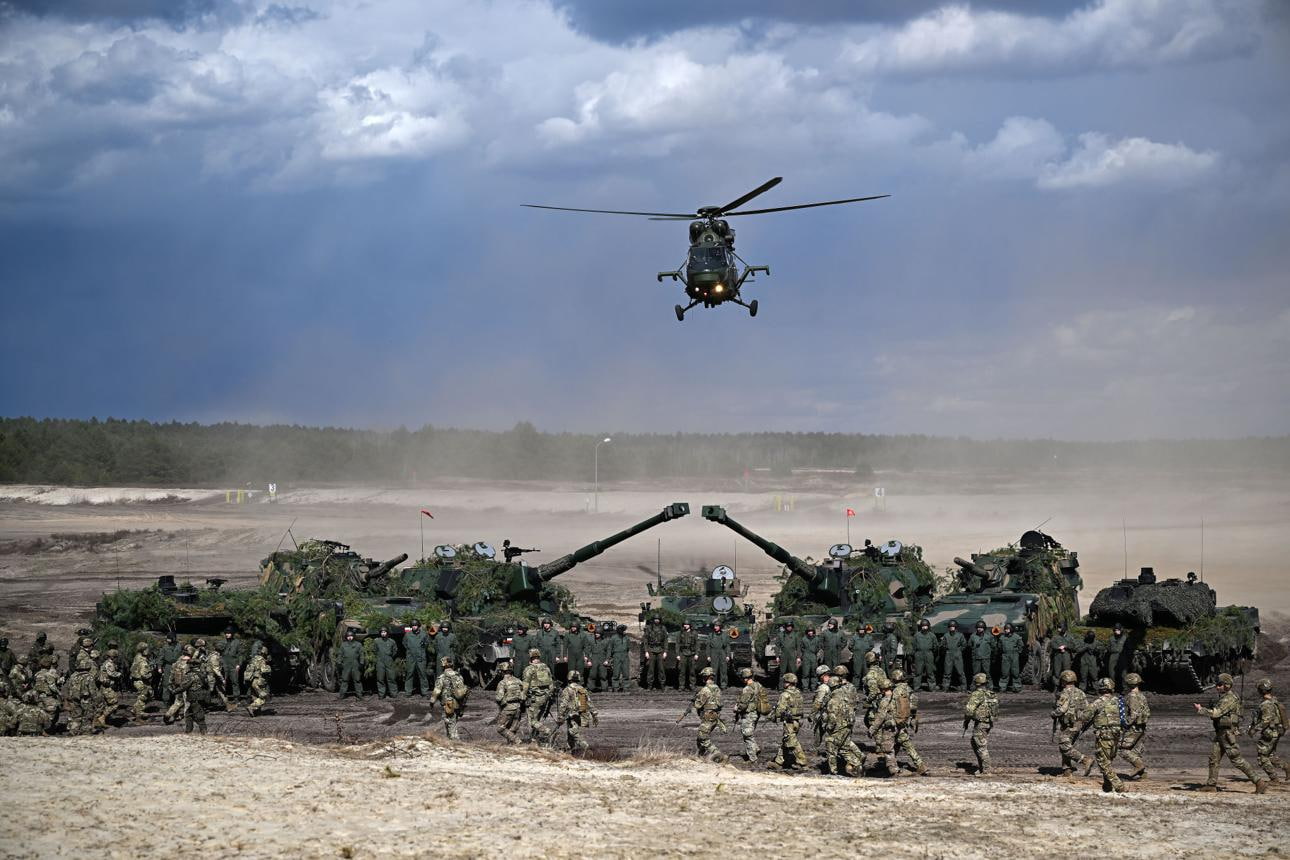
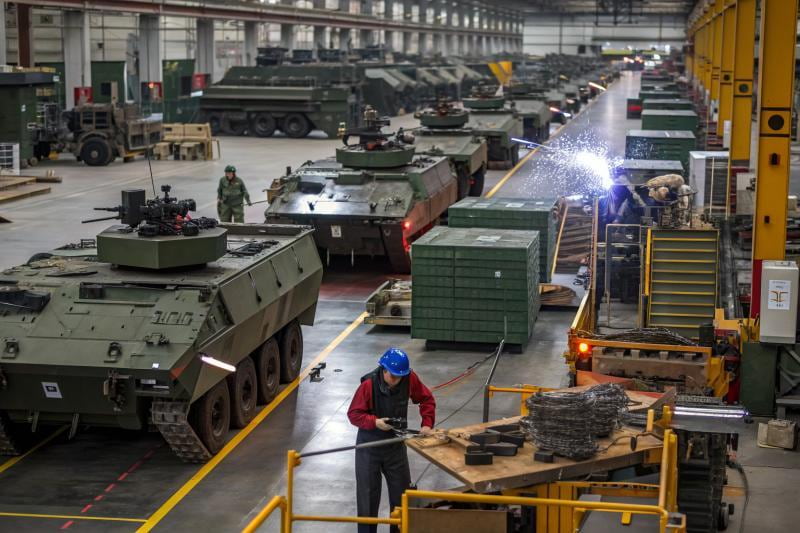
The numbers explain the urgency. The review lets governments redirect close to 10% of the €367 billion cohesion pot, and the reallocations already amount to some €34.6 billion. Officials channelled €15.2 billion toward competitiveness, critical technologies and skills, and steered €11.9 billion into defence capabilities, military mobility and civil preparedness. Affordable housing gained €3.3 billion, water resilience €3.1 billion, and energy security and industrial decarbonisation a further €1.2 billion.

For a poorer region like Sicily, the shift cuts both ways. Managing authorities welcome the extra flexibility, because they can finally fund projects that local firms have demanded for years. Yet mayors worry that competitiveness and defence spending tends to reward stronger economies, and that the classic mission of cohesion policy, narrowing the gap between rich and poor regions, could fade as governments chase the newer headline goals.

The Commission argues that flexibility and cohesion are not rivals. It points out that Eastern border regions, water-stressed southern areas and housing-starved cities all sit inside the poorest parts of the Union, so directing money toward them still serves the original purpose. The Council and Parliament, which struck the enabling deal, added an incentive: governments that move funds into the priority areas can claim higher co-financing rates and an early pre-financing boost.

Critics counter that speed comes at the price of scrutiny. Reprogramming on this scale, they warn, can outrun the capacity of local administrations to spend the money well, and rushed projects risk the kind of absorption problems that have dogged cohesion funds before. The Commission insists that the same performance checks still apply and that regions must report against agreed milestones.

Regional leaders now face a hard calendar. They must lock in the revised plans, sign contracts and start spending before the programming period runs down, all while preparing for a very different post-2027 framework that ties cohesion money even more tightly to reform and to strategic goals. The Commission has published the full detail of the reallocations through its regional and urban policy service, and further guidance for managing authorities is expected before the autumn.

What happens in Palermo, Katowice and dozens of other regional capitals over the next eighteen months will show whether the Union can pivot its largest investment tool toward security and competitiveness without abandoning the places it was built to lift.