Turin: In a city built on making things, a quieter revolution is about to change how Europeans fix them. The right to repair takes practical effect across the Union at the end of July, as a directive agreed in 2024 finally reaches the point where households can lean on it.
Member states must apply the common rules on repairing goods from 31 July 2026, the deadline set when the directive entered into force two years earlier. From that date, manufacturers of products covered by Union reparability requirements, such as fridges, washing machines and smartphones, have to repair them within a reasonable time and for a reasonable price.
The logic is circular rather than merely consumer-friendly. Every device repaired instead of replaced spares raw materials, cuts electronic waste and trims the carbon locked into manufacturing. The Commission frames repair as a pillar of a wider circular economy that keeps products and materials in use for longer. It explains the obligations on its repair of goods pages.
Several practical tools sit inside the law. Producers must repair even after a legal guarantee expires, and a consumer who chooses repair over replacement during the guarantee period gains an extra year of cover. National online platforms will help owners find repairers, refurbished goods and spare-part sellers, dragging a fragmented market into one searchable place.
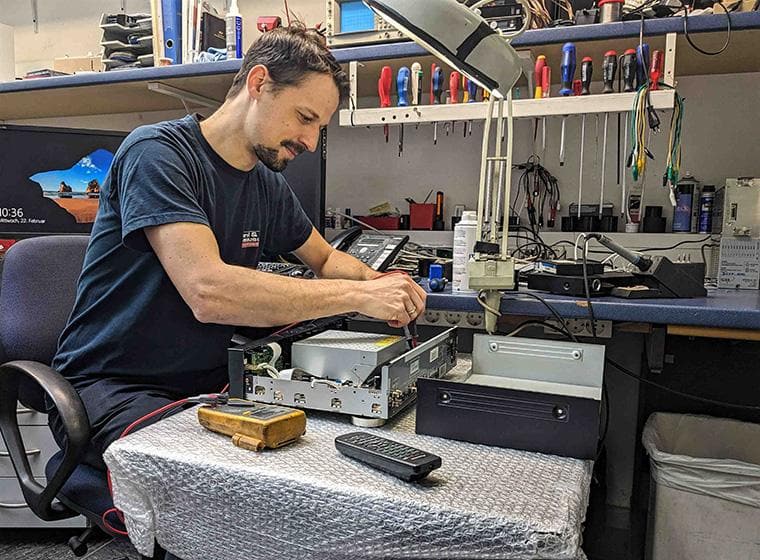
Repairers welcome the shift but temper their hopes. Independent workshops have long complained that glued-in batteries, scarce spare parts and software locks make many devices uneconomic to mend. A right to repair means little if the price of a spare screen rivals the cost of a new phone, they argue, and enforcement will decide whether the promise holds.
Manufacturers, meanwhile, face a redesign of both products and business models. Some already sell repair as a service and market durability as a virtue; others built their margins on frequent replacement and now must adjust. The Council’s summary of the rules underlines how far the change reaches.
Consumer groups call the reform overdue, pointing to survey after survey in which Europeans say they would rather mend than bin a favourite appliance but cannot find an affordable way to do it. If the new platforms and obligations work, the throwaway habit could loosen its grip.
Turin, with its long tradition of workshops and mechanics, may adapt more easily than most. The harder question is whether a continent that spent decades learning to replace can now relearn how to repair, and whether the law arriving this month gives it reason enough to try.