
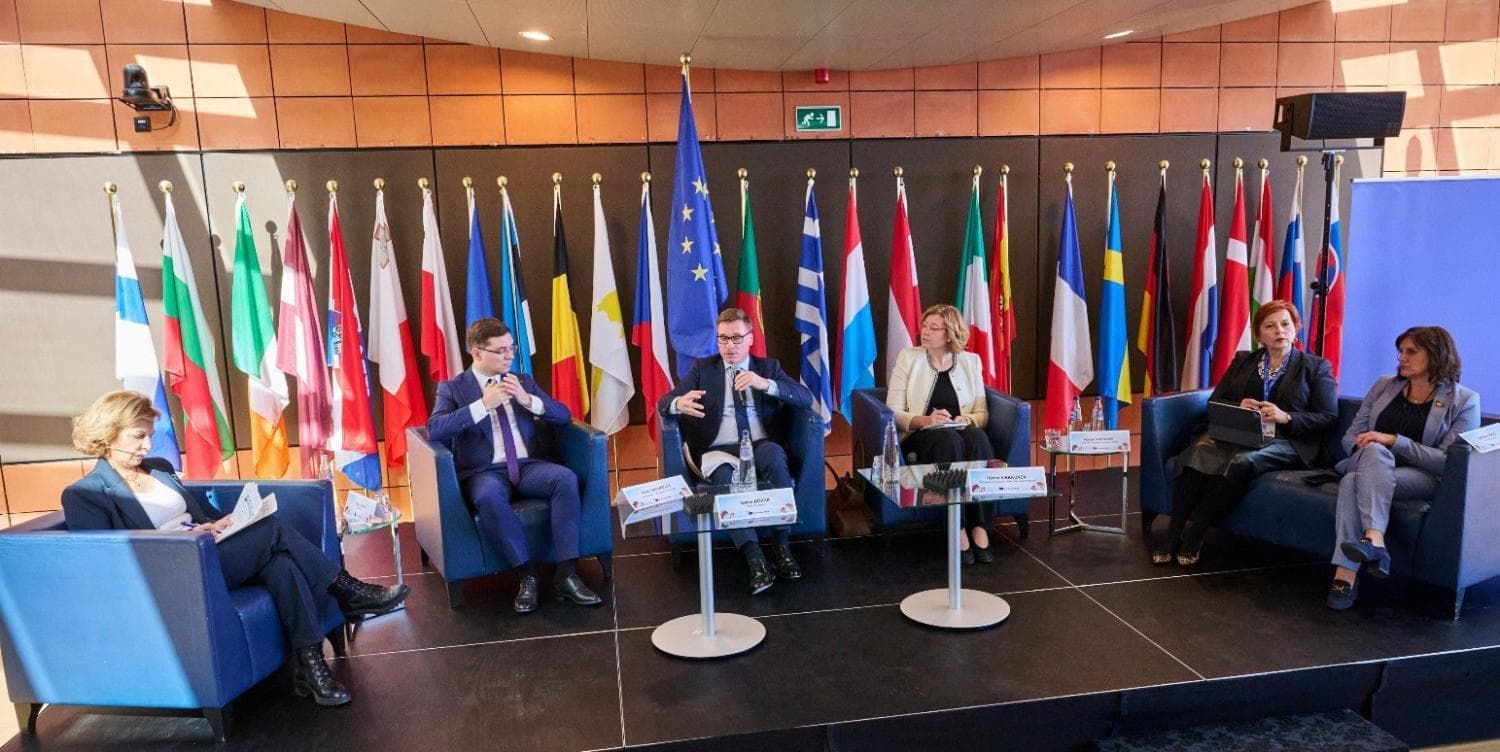
Bologna: Fresh civic funding is flowing again as the European Union reopens its Citizens, Equality, Rights and Values programme for a new round of grants. The Commission adopted the 2026 to 2027 work programme and has been rolling out calls on the Funding and Tenders Portal, aiming money at the associations that hold up daily democratic life.
The programme, known as CERV, backs a spread of grassroots work. This year’s calls include support for town twinning, which runs until late September, a strand on promoting an enabling civic space, and funding to raise awareness of the EU Charter of Fundamental Rights. Together they target the civil society groups, local councils and volunteer networks that rarely make headlines but keep communities connected.
The timing is pointed. Civic organisations across several member states report shrinking budgets, tougher rules on foreign donations and growing political pressure. Brussels argues that a steady European funding line offers these groups a measure of independence when national support turns unreliable, letting them plan beyond the next election cycle.
Town twinning shows how modest sums travel far. Small grants let neighbouring towns run exchanges, youth meetings and joint cultural events that build cross-border ties one handshake at a time. Supporters say those links matter most in regions where mistrust of the Union runs high and abstract talk of integration means little.
The civic space strand aims higher up the chain. It funds the watchdogs, legal-aid clinics and advocacy groups that monitor rights and challenge overreach. The Commission frames a healthy civic sector as a check that keeps governments honest, and it wants the grants to reach organisations working far from national capitals.
Money alone will not settle the debate over how far Brussels should shape domestic civil society. Critics on both flanks question whether European grants distort local priorities or invite accusations of interference. The Commission counters that the funds follow open calls and clear criteria rather than political favour.
Applicants range from tiny volunteer collectives to established networks spanning a dozen countries, and the Commission has tried to simplify the paperwork so smaller groups are not crowded out by professional grant-writers. Over the current funding period the programme channels hundreds of millions of euros across its strands.
For the groups themselves, the reopened calls are a practical lifeline. Applications close through September, and coordinators are already assembling partnerships across borders to compete. If the round lands as intended, the payoff will show up quietly in exchanges, campaigns and legal cases rather than in any single grand announcement.


