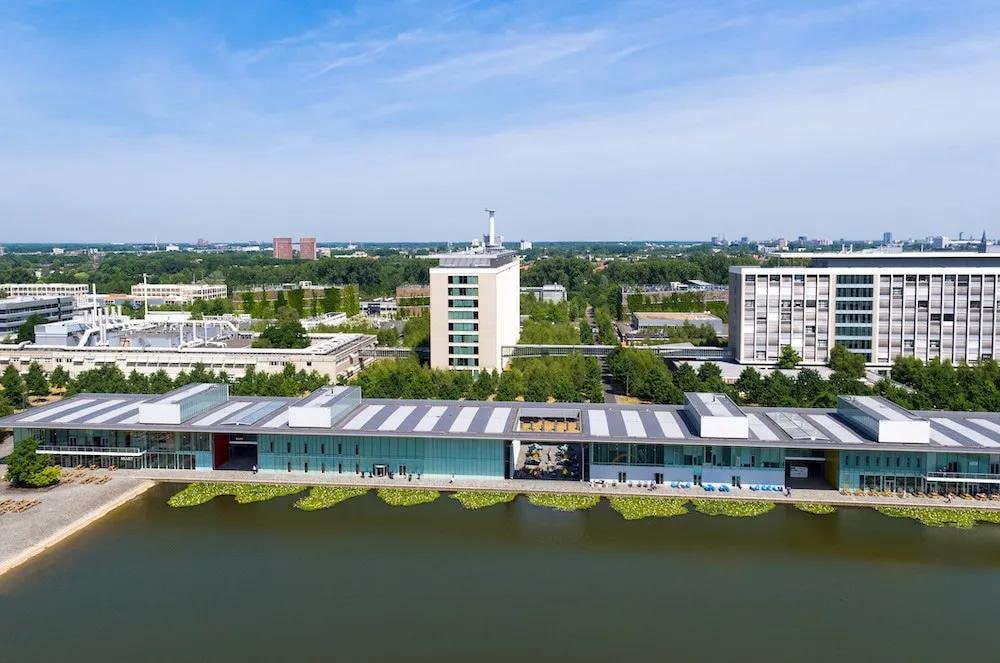
Eindhoven: In the deep-tech workshops that cluster around this Dutch technology hub, founders chasing breakthroughs in chips, batteries and biotech have a fresh pot of European money to aim for. The European Innovation Council has opened its 2026 programme with 1.4 billion euro to turn laboratory ideas into companies that can scale on the world stage.
The EIC sits at the sharp end of Horizon Europe, the Union’s flagship research fund, and it targets the risky ventures that private investors often shun. Its Accelerator arm blends grants with direct equity stakes, a rare mix that lets Brussels back young firms through the valley where promising science so often runs out of cash.
This year brings a change of rhythm. Where 2025 offered founders just two full application deadlines, the 2026 programme spreads six cut-off dates across the calendar, from January through to November. The next full-proposal deadline falls on 8 July, and officials argue that more frequent windows let good ideas reach funding faster instead of waiting months for a single annual gate.
The Council has also widened the door. For the first time, applicants from Horizon Europe associate countries including Armenia, Georgia, Moldova and Ukraine can compete for Accelerator money, extending Europe’s innovation net beyond its own borders at a moment when the bloc is courting closer ties with its eastern neighbours.
Simplification is the other theme. The EIC has trimmed an application process that founders long criticised as slow and opaque, promising quicker feedback and lighter paperwork. For a start-up burning through cash, the months lost to a drawn-out evaluation can decide whether it survives to build a product at all.
The push reflects a wider European anxiety. Policymakers fret that the continent invents brilliantly but scales poorly, watching its best deep-tech firms decamp to the United States for the capital and customers they cannot find at home. The EIC’s equity stakes are meant to keep more of that value on European soil, giving public money a share in the winners it helps create.
Doubts persist. Critics note that 1.4 billion euro, spread across a continent, looks modest beside the sums American and Chinese investors pour into rival firms. Others question whether public officials should be picking equity bets at all. Yet for the founders in Eindhoven weighing their next move, a European cheque that arrives faster and reaches further is a welcome shift, and the July deadline gives them little time to hesitate.