August 7, 2026
LATEST
Europe Freezes Its Retaliatory Tariffs on the US IndefinitelyAir Passenger Rights Get Their First Big Rewrite in 20 YearsFive Joint Defence Projects Win Brussels Backing and Shared CashTobacco Tax Overhaul Stalls as Governments Block UnanimityCritical Medicines Act Heads for Final Adoption This AutumnMoldova Accession Reaches Its Foreign-Policy ChapterMercosur Tariffs Fall as Europe’s Farmers Watch the GaugesWhy Europe’s Digital Fairness Act Worries Online RetailersErasmus+ Faces a Budget Fight Before Its 2028 RelaunchMedia Freedom Rules Turn One as Enforcement LagsPlatform Work Rules Push Member States Toward a December ReckoningSingle Ticket Plan Would Let One Booking Cover Europe by RailHungary Races an August Deadline to Unlock Its Recovery FundsCapitals Race a September Deadline to Restore NatureEuro-Zone Inflation Nudges Back Up as Energy Bills ClimbRed Bull Case Tests a New Frontier in EU AntitrustNew EU Packaging Rules Reach Shoppers as August Deadline HitsEvery EU Country Must Draft an Anti-Fraud Plan Under New RulesEurope Blacklists a North Korean General Over Russia’s WarChina’s Rare Earths Curbs Push Europe to Find New SourcesEurope Freezes Its Retaliatory Tariffs on the US IndefinitelyAir Passenger Rights Get Their First Big Rewrite in 20 YearsFive Joint Defence Projects Win Brussels Backing and Shared CashTobacco Tax Overhaul Stalls as Governments Block UnanimityCritical Medicines Act Heads for Final Adoption This AutumnMoldova Accession Reaches Its Foreign-Policy ChapterMercosur Tariffs Fall as Europe’s Farmers Watch the GaugesWhy Europe’s Digital Fairness Act Worries Online RetailersErasmus+ Faces a Budget Fight Before Its 2028 RelaunchMedia Freedom Rules Turn One as Enforcement LagsPlatform Work Rules Push Member States Toward a December ReckoningSingle Ticket Plan Would Let One Booking Cover Europe by RailHungary Races an August Deadline to Unlock Its Recovery FundsCapitals Race a September Deadline to Restore NatureEuro-Zone Inflation Nudges Back Up as Energy Bills ClimbRed Bull Case Tests a New Frontier in EU AntitrustNew EU Packaging Rules Reach Shoppers as August Deadline HitsEvery EU Country Must Draft an Anti-Fraud Plan Under New RulesEurope Blacklists a North Korean General Over Russia’s WarChina’s Rare Earths Curbs Push Europe to Find New Sources
August 7, 2026
LATEST
Europe Freezes Its Retaliatory Tariffs on the US IndefinitelyAir Passenger Rights Get Their First Big Rewrite in 20 YearsFive Joint Defence Projects Win Brussels Backing and Shared CashTobacco Tax Overhaul Stalls as Governments Block UnanimityCritical Medicines Act Heads for Final Adoption This AutumnMoldova Accession Reaches Its Foreign-Policy ChapterMercosur Tariffs Fall as Europe’s Farmers Watch the GaugesWhy Europe’s Digital Fairness Act Worries Online RetailersErasmus+ Faces a Budget Fight Before Its 2028 RelaunchMedia Freedom Rules Turn One as Enforcement LagsPlatform Work Rules Push Member States Toward a December ReckoningSingle Ticket Plan Would Let One Booking Cover Europe by RailHungary Races an August Deadline to Unlock Its Recovery FundsCapitals Race a September Deadline to Restore NatureEuro-Zone Inflation Nudges Back Up as Energy Bills ClimbRed Bull Case Tests a New Frontier in EU AntitrustNew EU Packaging Rules Reach Shoppers as August Deadline HitsEvery EU Country Must Draft an Anti-Fraud Plan Under New RulesEurope Blacklists a North Korean General Over Russia’s WarChina’s Rare Earths Curbs Push Europe to Find New SourcesEurope Freezes Its Retaliatory Tariffs on the US IndefinitelyAir Passenger Rights Get Their First Big Rewrite in 20 YearsFive Joint Defence Projects Win Brussels Backing and Shared CashTobacco Tax Overhaul Stalls as Governments Block UnanimityCritical Medicines Act Heads for Final Adoption This AutumnMoldova Accession Reaches Its Foreign-Policy ChapterMercosur Tariffs Fall as Europe’s Farmers Watch the GaugesWhy Europe’s Digital Fairness Act Worries Online RetailersErasmus+ Faces a Budget Fight Before Its 2028 RelaunchMedia Freedom Rules Turn One as Enforcement LagsPlatform Work Rules Push Member States Toward a December ReckoningSingle Ticket Plan Would Let One Booking Cover Europe by RailHungary Races an August Deadline to Unlock Its Recovery FundsCapitals Race a September Deadline to Restore NatureEuro-Zone Inflation Nudges Back Up as Energy Bills ClimbRed Bull Case Tests a New Frontier in EU AntitrustNew EU Packaging Rules Reach Shoppers as August Deadline HitsEvery EU Country Must Draft an Anti-Fraud Plan Under New RulesEurope Blacklists a North Korean General Over Russia’s WarChina’s Rare Earths Curbs Push Europe to Find New Sources

State Aid Rules Loosen to Speed Europe’s Clean Factories

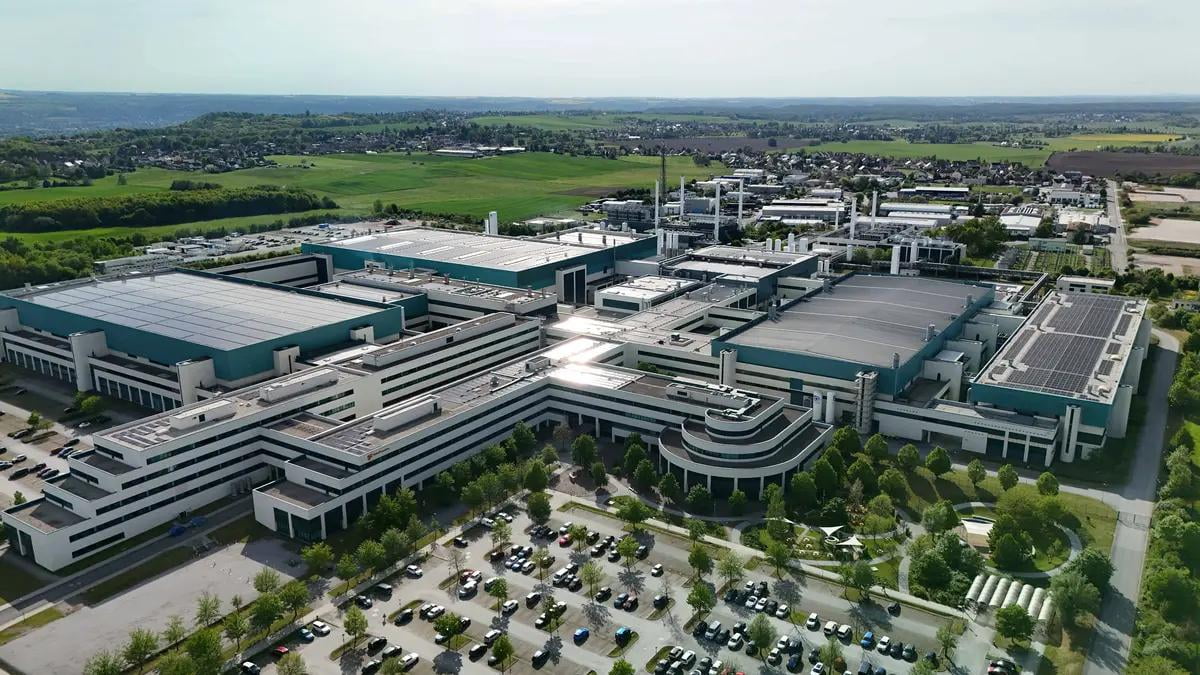
Antwerp: Europe has torn up part of its rulebook on public subsidy, betting that faster state aid can keep clean factories building on the continent rather than drifting toward the United States or China.

The European Commission unveiled the Clean Industrial State Aid Framework at the start of July, giving national governments a simpler, quicker path to back decarbonisation projects. Officials designed it to cut the waiting time that has frustrated investors, who often watched approval drag on while rival economies wrote cheques within weeks. Under the new template, a member state can support renewable rollout, industrial electrification and clean manufacturing without steering each case through a long bespoke review.

The framework forms one leg of a broader push that the Commission launched in early 2025 and has been assembling piece by piece since. The Clean Industrial Deal aims to mobilise more than one hundred billion euros for European-made clean technology, and planners argue that predictable subsidy rules matter as much as the money itself. Companies weighing a battery line in Antwerp against one in Georgia want certainty, and the old approval maze offered little.

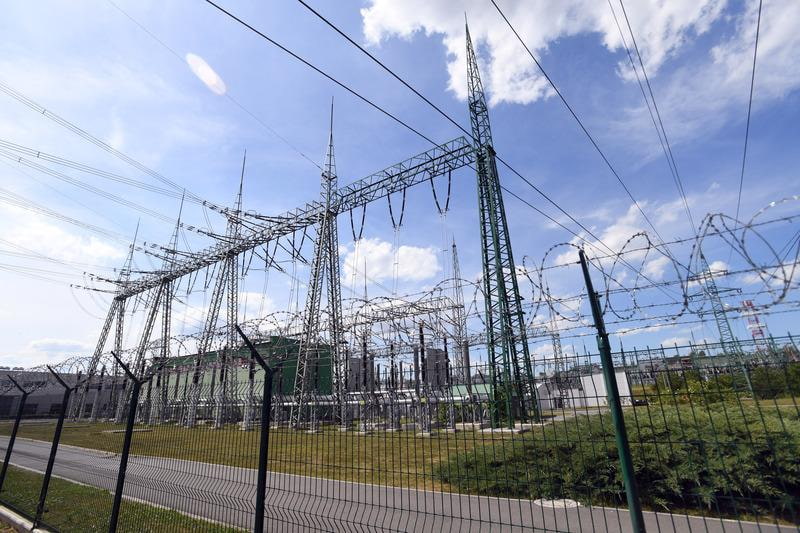
Brussels paired the aid overhaul with moves on raw materials, the chokepoint that worries strategists most. In early July the Commission opened a platform to aggregate demand for strategic minerals, letting buyers pool orders and negotiate from strength, and it set up a dedicated centre to coordinate supply of the metals that batteries, magnets and grids devour. The logic is simple: cheaper capital means little if a plant cannot secure lithium or rare earths.

Critics see risks. Looser subsidy rules favour the member states with the deepest pockets, and Germany or France can outspend smaller economies that lack the fiscal space. That imbalance could fracture the single market the Union spent decades building, handing richer capitals a permanent edge. Some economists also warn that a subsidy race with Washington and Beijing drains public budgets without guaranteeing that the factories stay once the grants run dry.

The Commission insists it has built guardrails, tying support to genuine decarbonisation and reserving the fastest lanes for projects that cut emissions or shore up strategic supply. Whether those conditions hold under pressure will become clear as the first big cases land this autumn.

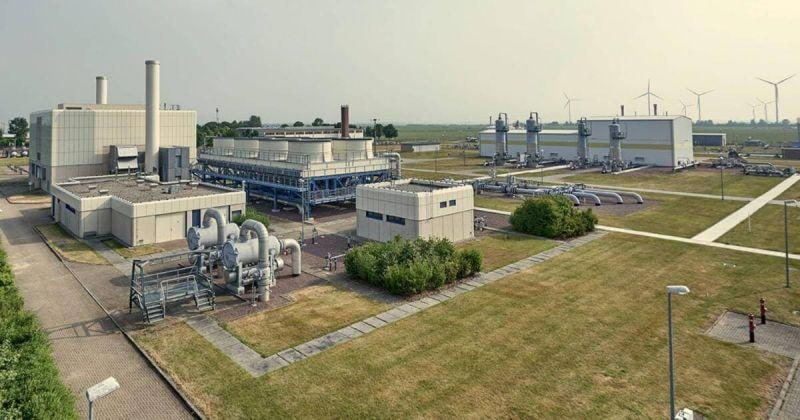
For an economy that has watched its share of global manufacturing slide, the wager is stark. Europe is spending political capital and public money to keep clean industry at home, and the coming year will show whether looser rules translate into steel, batteries and hydrogen built on European ground.