
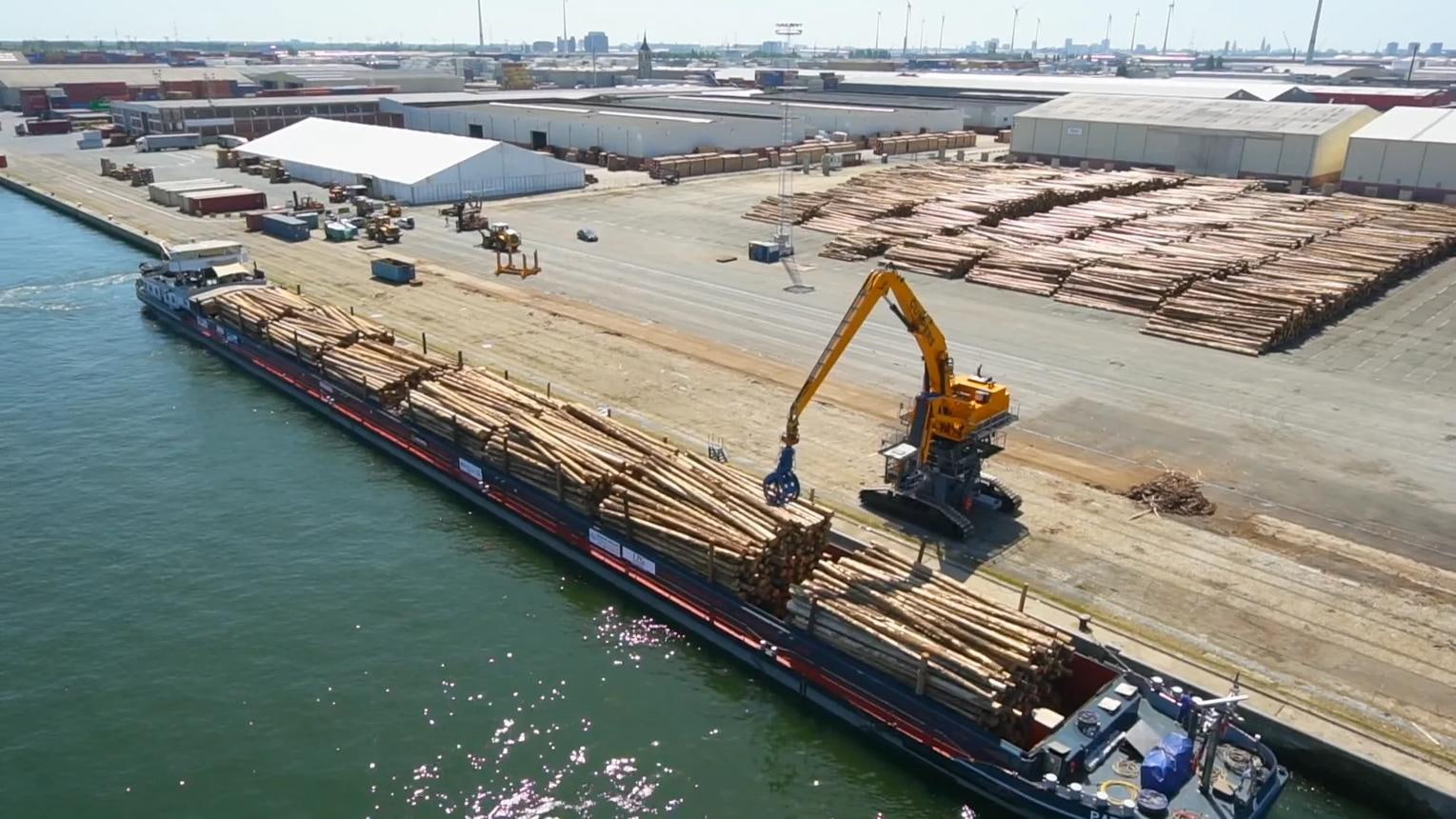
Antwerp: Cocoa, coffee, soy and timber flood through Europe’s second-largest port, and importers here are racing to prove none of it came from cleared forest. The EU’s deforestation regulation binds large companies from 30 December 2026, and after years of delay the Commission has confirmed the date will hold.
The rule bars firms from selling seven commodities, and products made from them, unless they can show the goods did not drive forest loss after 2020. Traders must trace shipments back to the plot of land where the crop grew and file due-diligence statements in an EU database.
The path to this point was rocky. The Commission twice pushed back the start date and, in December 2025, agreed a targeted revision that simplified the paperwork. Parliament and Council signed off, and the amended text entered into force at the end of that year, confirming December 2026 for large operators and June 2027 for the smallest.
The Commission says the changes cut compliance costs by roughly three-quarters while keeping the core duty to check supply chains intact. It streamlined the information system, trimmed reporting for low-risk sources, and published fresh guidance to answer the questions that traders kept raising.
Green groups give the outcome a mixed reception. They welcome a firm deadline after years of slippage, yet they fear that lighter paperwork could let tainted goods slip through. Industry, for its part, still complains that tracing every bean and log to a specific field demands data that many smallholders cannot easily supply.
Ports like Antwerp sit at the sharp end. Customs officers and importers must screen vast volumes against the new standard, and a single unverified consignment can stall a shipment. Logistics firms have hired compliance staff and leaned on satellite mapping to check the origin of what they handle.
Supporters argue the effort is worth it. Europe’s appetite for these commodities helps drive forest loss abroad, and a credible check could nudge global supply chains toward cleaner practices. Trading partners, however, have accused the bloc of exporting red tape and have pressed for softer terms.
With five months left, the work is practical and urgent. The Commission’s guidance now sets a clear line, and firms that build traceability into their sourcing will clear it. Those still hunting for origin data face a tense autumn as the deforestation deadline nears.


