
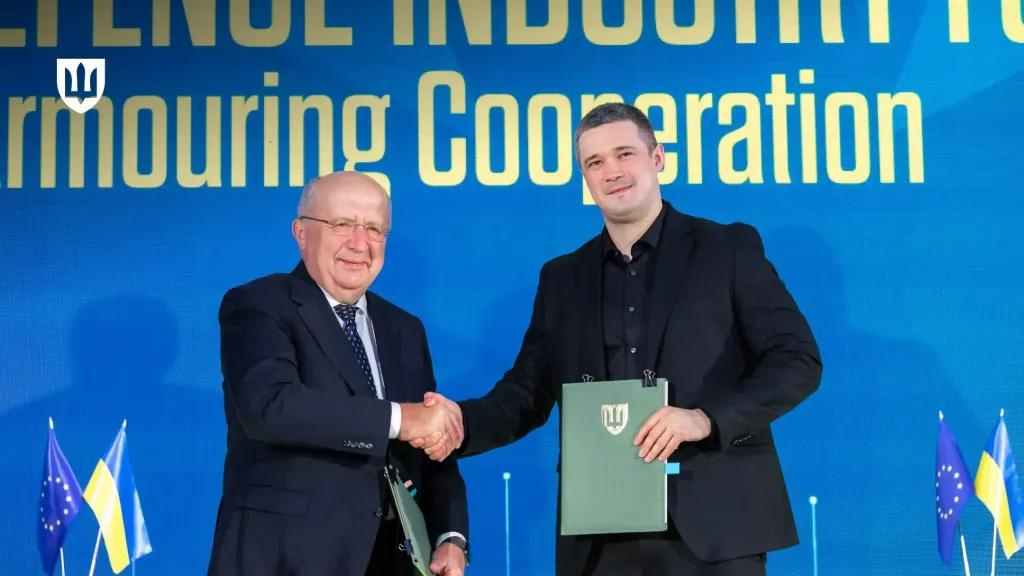
Kyiv: Ukrainian companies and research institutes can now take part in the European Defence Fund, after the agreements that associate Ukraine with the programme entered into force, the Commission announced on 16 October 2026. The package also covers financing under the European Defence Industry Programme, known as EDIP, and it marks a shift from emergency support towards long-term industrial cooperation.
The two sides signed the agreements on 13 July 2026. Ukraine’s parliament, the Verkhovna Rada, then had to ratify them, and the administrative steps that followed have now finished. Commissioner for Defence and Space Andrius Kubilius said the agreements give Ukrainian companies access to EU funding for defence and for the EU industry.
Association means Ukrainian participants can join joint research and development projects under the European Defence Fund on similar terms to firms from member states. They can form international consortia, work with European partners on new technologies and apply for money from calls in 2026. The Commission puts the fund’s allocation for 2026 at more than €1 billion, although it did not say how much will go to projects with Ukrainian partners.
EDIP adds a second, more targeted channel through its Ukraine Support Instrument, worth about €300 million. Of that sum, €260 million will help expand and modernise production capacity, and €35.3 million will back innovation breakthroughs in defence technologies. Ukrainian participants under EDIP may receive up to 100 percent of their costs, a generous rate that reflects wartime conditions.
The European Defence Fund arrangement matters for both sides. Ukrainian manufacturers have scaled up drones, electronic warfare tools and munitions at remarkable speed, and European firms want access to that battlefield experience. Ukrainian companies, in turn, gain predictable funding and a route into supply chains across the Union. The Commission describes the step as part of full integration of Ukraine’s defence industry into the European defence ecosystem.
Questions remain about delivery of the European Defence Fund money. The Commission has not published specific call dates or implementation timelines for Ukrainian applicants, and the announcement does not name the projects that will receive money first. Consortia need partners in at least several countries, and building those partnerships takes time even when funding is available.
The next test comes when the first calls open to Ukrainian participants. If firms win places in the main collaborative projects, the European Defence Fund will become a practical instrument of cooperation rather than a symbol of solidarity. Defence officials in Kyiv and Brussels will measure that success in contracts signed and systems delivered.


