August 7, 2026
LATEST
Europe Freezes Its Retaliatory Tariffs on the US IndefinitelyAir Passenger Rights Get Their First Big Rewrite in 20 YearsFive Joint Defence Projects Win Brussels Backing and Shared CashTobacco Tax Overhaul Stalls as Governments Block UnanimityCritical Medicines Act Heads for Final Adoption This AutumnMoldova Accession Reaches Its Foreign-Policy ChapterMercosur Tariffs Fall as Europe’s Farmers Watch the GaugesWhy Europe’s Digital Fairness Act Worries Online RetailersErasmus+ Faces a Budget Fight Before Its 2028 RelaunchMedia Freedom Rules Turn One as Enforcement LagsPlatform Work Rules Push Member States Toward a December ReckoningSingle Ticket Plan Would Let One Booking Cover Europe by RailHungary Races an August Deadline to Unlock Its Recovery FundsCapitals Race a September Deadline to Restore NatureEuro-Zone Inflation Nudges Back Up as Energy Bills ClimbRed Bull Case Tests a New Frontier in EU AntitrustNew EU Packaging Rules Reach Shoppers as August Deadline HitsEvery EU Country Must Draft an Anti-Fraud Plan Under New RulesEurope Blacklists a North Korean General Over Russia’s WarChina’s Rare Earths Curbs Push Europe to Find New SourcesEurope Freezes Its Retaliatory Tariffs on the US IndefinitelyAir Passenger Rights Get Their First Big Rewrite in 20 YearsFive Joint Defence Projects Win Brussels Backing and Shared CashTobacco Tax Overhaul Stalls as Governments Block UnanimityCritical Medicines Act Heads for Final Adoption This AutumnMoldova Accession Reaches Its Foreign-Policy ChapterMercosur Tariffs Fall as Europe’s Farmers Watch the GaugesWhy Europe’s Digital Fairness Act Worries Online RetailersErasmus+ Faces a Budget Fight Before Its 2028 RelaunchMedia Freedom Rules Turn One as Enforcement LagsPlatform Work Rules Push Member States Toward a December ReckoningSingle Ticket Plan Would Let One Booking Cover Europe by RailHungary Races an August Deadline to Unlock Its Recovery FundsCapitals Race a September Deadline to Restore NatureEuro-Zone Inflation Nudges Back Up as Energy Bills ClimbRed Bull Case Tests a New Frontier in EU AntitrustNew EU Packaging Rules Reach Shoppers as August Deadline HitsEvery EU Country Must Draft an Anti-Fraud Plan Under New RulesEurope Blacklists a North Korean General Over Russia’s WarChina’s Rare Earths Curbs Push Europe to Find New Sources
August 7, 2026
LATEST
Europe Freezes Its Retaliatory Tariffs on the US IndefinitelyAir Passenger Rights Get Their First Big Rewrite in 20 YearsFive Joint Defence Projects Win Brussels Backing and Shared CashTobacco Tax Overhaul Stalls as Governments Block UnanimityCritical Medicines Act Heads for Final Adoption This AutumnMoldova Accession Reaches Its Foreign-Policy ChapterMercosur Tariffs Fall as Europe’s Farmers Watch the GaugesWhy Europe’s Digital Fairness Act Worries Online RetailersErasmus+ Faces a Budget Fight Before Its 2028 RelaunchMedia Freedom Rules Turn One as Enforcement LagsPlatform Work Rules Push Member States Toward a December ReckoningSingle Ticket Plan Would Let One Booking Cover Europe by RailHungary Races an August Deadline to Unlock Its Recovery FundsCapitals Race a September Deadline to Restore NatureEuro-Zone Inflation Nudges Back Up as Energy Bills ClimbRed Bull Case Tests a New Frontier in EU AntitrustNew EU Packaging Rules Reach Shoppers as August Deadline HitsEvery EU Country Must Draft an Anti-Fraud Plan Under New RulesEurope Blacklists a North Korean General Over Russia’s WarChina’s Rare Earths Curbs Push Europe to Find New SourcesEurope Freezes Its Retaliatory Tariffs on the US IndefinitelyAir Passenger Rights Get Their First Big Rewrite in 20 YearsFive Joint Defence Projects Win Brussels Backing and Shared CashTobacco Tax Overhaul Stalls as Governments Block UnanimityCritical Medicines Act Heads for Final Adoption This AutumnMoldova Accession Reaches Its Foreign-Policy ChapterMercosur Tariffs Fall as Europe’s Farmers Watch the GaugesWhy Europe’s Digital Fairness Act Worries Online RetailersErasmus+ Faces a Budget Fight Before Its 2028 RelaunchMedia Freedom Rules Turn One as Enforcement LagsPlatform Work Rules Push Member States Toward a December ReckoningSingle Ticket Plan Would Let One Booking Cover Europe by RailHungary Races an August Deadline to Unlock Its Recovery FundsCapitals Race a September Deadline to Restore NatureEuro-Zone Inflation Nudges Back Up as Energy Bills ClimbRed Bull Case Tests a New Frontier in EU AntitrustNew EU Packaging Rules Reach Shoppers as August Deadline HitsEvery EU Country Must Draft an Anti-Fraud Plan Under New RulesEurope Blacklists a North Korean General Over Russia’s WarChina’s Rare Earths Curbs Push Europe to Find New Sources

Unsold Clothes Escape the Incinerator Under New EU Waste Rules

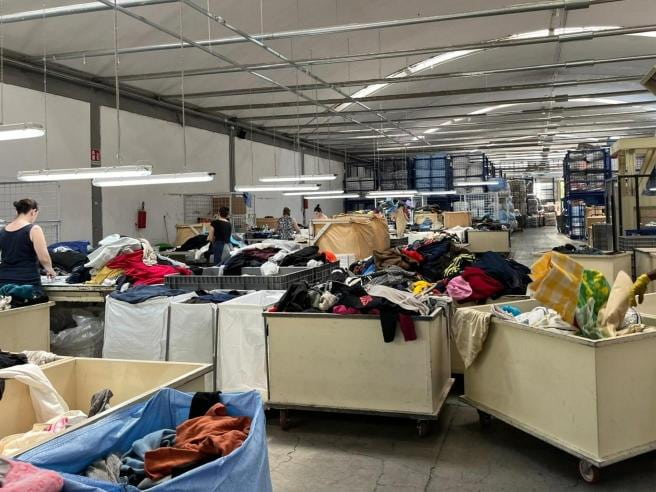
Prato: In the mills of Tuscany’s textile capital, a new European rule is turning waste into a compliance problem no large retailer can ignore. From the middle of July, big companies can no longer destroy unsold clothing, accessories and footwear, a practice that quietly consumed hundreds of thousands of tonnes of stock every year.

The ban took effect on 19 July 2026 under the EU’s Ecodesign for Sustainable Products Regulation. It targets the fashion industry’s habit of shredding or incinerating perfectly wearable garments to protect brand value and clear warehouses. The Commission estimates that Europe throws away between 264,000 and 594,000 tonnes of textiles this way each year.

Large firms must now find another route for surplus stock. They can discount it, sell it on secondary markets, donate it to charities and social enterprises, or repair and remanufacture it for resale. Burning it is no longer an option, and the rule closes a loophole that let companies write off overproduction with no questions asked.

Enforcement leans on transparency. Companies must publish annual reports detailing how much unsold stock they discard and why, using standard formats the Commission finalised earlier this year. Those disclosures start in 2027, giving regulators and campaigners a yearly scorecard of the industry’s textile waste.

Medium-sized firms win a reprieve until 2030, while small and micro-businesses stay exempt. Retail groups had lobbied for the phase-in, arguing that smaller players lack the logistics to redirect returns and end-of-season lines at short notice.

The measure forms one strand of a broader push. The Commission has promised a wider Circular Economy Act this year, aimed at building a genuine single market for recycled and secondary raw materials so that used cotton, wool and polyester flow back into production rather than into landfill.

For a district like Prato, which has recycled wool for generations, the shift could reward existing expertise. Sorting, mechanical recycling and remanufacturing all gain value once destruction leaves the table, and long-standing recyclers see a chance to scale.

Critics caution that the rule tackles the symptom, not the cause. Fast fashion still floods the market with cheap garments, and diverting unsold stock does little to slow overproduction. Charities also worry about being swamped with clothes they cannot move.

Even so, the ban marks a clear signal. The EU has told the industry that overproduction now carries a cost and a public record. Details of the rollout sit in the Commission’s February announcement, and the first compliance reports will show whether behaviour truly changes.