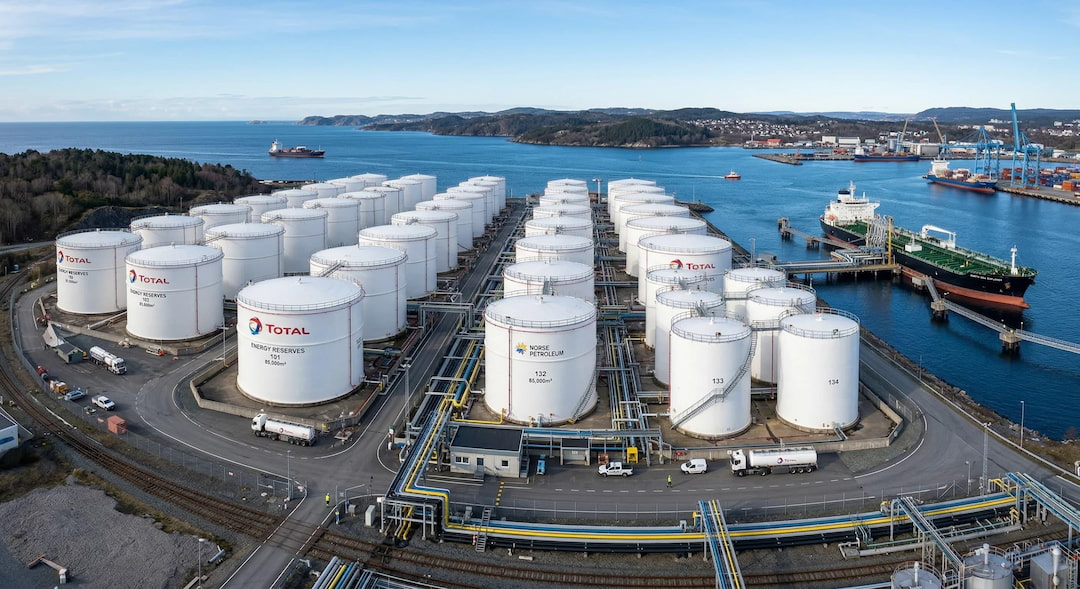
Ljubljana: Winter gas storage across the European Union stood at 75 percent on average on 21 October 2026, according to a monitoring report that the Agency for the Cooperation of Energy Regulators published on 27 October. The level is short of the 90 percent that the Gas Storage Regulation sets for 1 November, although member states have used flexibilities that the Commission encouraged because of the war in the Middle East.
The refill of winter gas storage began from a weak base. Storage started the summer at 28 percent of capacity, against 40 percent on the nine-year average, after a winter that ended at 28 percent against 34 percent a year earlier. Net injections over the summer reached around 43 billion cubic metres, below the ten-year average of 47 billion, and they cost about €27 billion, compared with about €108 billion in 2022.
The Middle East crisis added an estimated €18 billion to €33 billion to the summer import bill, according to the agency. On winter gas storage, the Commission had already told capitals in March that the 90 percent target could be eased. Energy Commissioner Dan Jørgensen wrote on 20 March that governments should consider reducing their filling target to 80 percent as early as possible in the season.
Winter cover is the main concern. The agency says the gas in storage equals 33 percent of consumption in the winter of 2025 to 2026, a share comparable to the winter of 2022 to 2023 but below recent winters. A cut in demand of 8 to 9 percent would lift coverage to 36 percent. The base case needs about 78 billion cubic metres of liquefied natural gas over the winter, more than the highest level seen last winter.
National positions on winter gas storage vary. On 1 October Italy was 87 percent full, Germany 58 percent and the Netherlands 59 percent, with Germany 16 percentage points below its level of 2025. Rehden, Germany’s largest site, held 18 percent on 21 October. Denmark, a net gas exporter, has chosen a 75 percent target and is running a tender to secure it by 1 December.
Withdrawal capacity adds a second limit. The agency finds that deliverability falls by about 30 percent in Germany, Italy and France as stocks drop, and by 80 percent in Belgium and 60 percent in Latvia as storage drains from 80 to 30 percent. At full withdrawal, storage on 1 October would last a theoretical 71 days. Demand cuts might be needed if LNG arrivals fall below the five-winter average while storage falls to 15 percent.
For households and industry, the message is cautious rather than alarmed. Winter gas storage is lower than in a normal year, and the winter depends on steady LNG deliveries and mild demand. Regulators will watch the data through December, and any fall in LNG arrivals would put pressure back on governments that eased their targets this year.