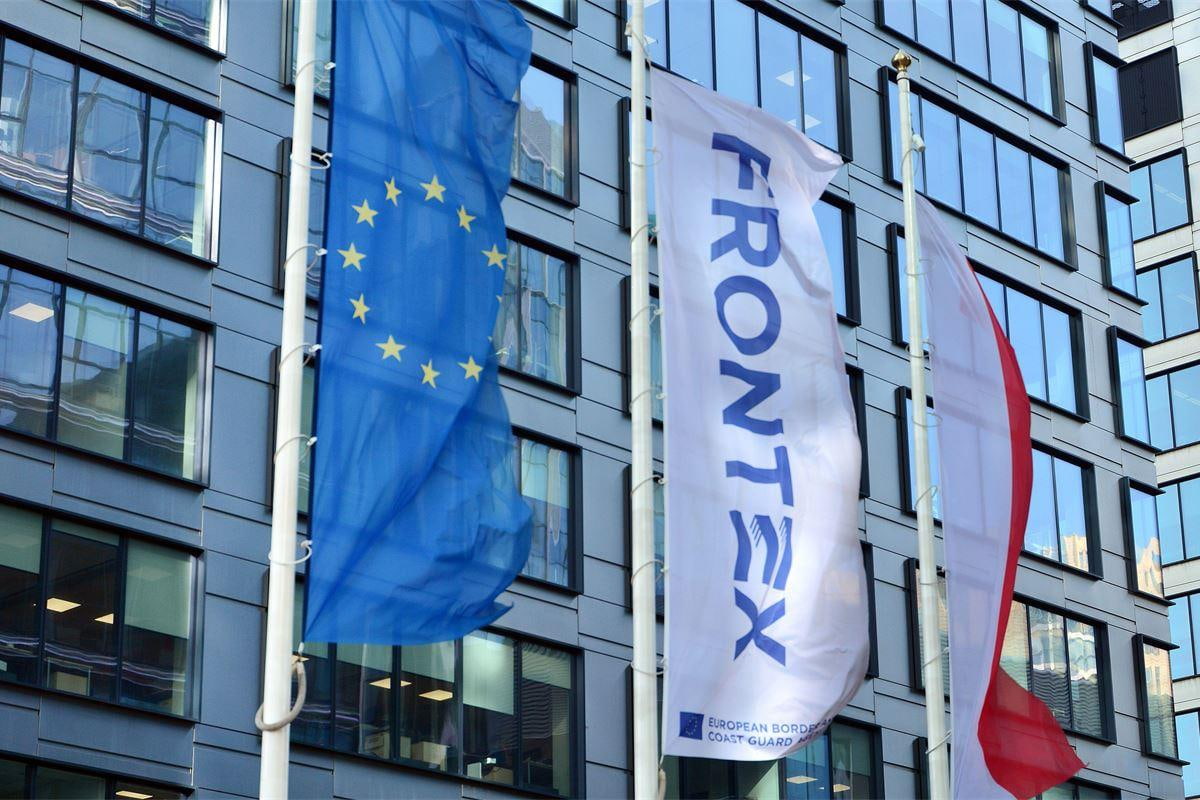
Catania: A new Frontex returns mandate would turn the EU border agency into the central actor for deporting people with no right to stay, according to a proposal presented by the European Commission on 27 October 2026. Migration Commissioner Magnus Brunner put the agency at the centre of every stage, from early identification and voluntary return to reintegration in the country of origin.
The proposal comes with large numbers attached. It would raise the standing corps to 30,000 people, including 6,000 Frontex staff, up from 3,000 today, and 7,000 officers seconded by member states. A reserve of 17,000 would sit behind them, and the agency’s budget would reach 11.8 billion euros for 2028 to 2034, almost double the current figure.
Supporters of a stronger agency argue that returns have long been the weak point of EU migration policy, because decisions to return a person are taken nationally while practical help is patchy. Under the Frontex returns mandate, the agency would offer one service chain to national authorities, and a member state could request help at any point in the process.
The Frontex returns mandate also adds new operational units. A Return Coordination Centre would manage cases, a Quick Reaction Force could deploy within 24 hours when a member state asks for help, and an Online Monitoring and Response Centre would add an online dimension to the agency’s work. Member states would have to report significant border events through EUROSUR within 24 hours.
Third countries are the most sensitive element. Frontex could help organise returns between third countries, but only under an agreement concluded by the European Union itself, and its own bilateral arrangements would be limited to technical assistance. Support would depend on respect for fundamental rights, and the agency could refuse or withdraw help if those conditions are not met.
Fundamental rights safeguards are written into the design. Because the agency could refuse or withdraw support when rights are not respected, the Frontex returns mandate gives it a stronger role as a gatekeeper, although the details will matter once the legal text is available for scrutiny by lawmakers and civil society.
One unusual request concerns the Digital Services Act. Frontex would seek trusted flagger status, even though national digital services coordinators normally award it. The agency could also buy, lease or co-own equipment, including artificial intelligence tools, and act as a central purchasing body for member states.
The full legal text had not been published when the first reports appeared, and the staffing increase would be phased in over two budget cycles. The money for the Frontex returns mandate still has to pass through the negotiations on the 2028 to 2034 multiannual financial framework, and any return agreement with a third country would need the usual EU procedure.
Those open points mean the Frontex returns mandate faces a long road in Parliament and Council. For now, the proposal sets out the Commission’s view that returns should be run from the centre, with an agency that is larger, better funded and ready to act within a day.