September 24, 2026
LATEST
Rights Groups Test the EU Civil Society Strategy as Pressure MountsJudges Weigh EU Staff Nationality Quotas in Parliament Hiring CasePatents Could Unlock Startup Loans Under the European Innovation ActHungary EU Funds Move Closer as Commission Lifts Rule of Law FreezeMinisters Debate Chips Act 2.0 as Europe Pushes for More Chip OutputMontenegro Waits on a Dutch Vote as the EU Enlargement Sprint StallsGlobal Green Bond Initiative Bets on Private Money for PartnersEurope Draws a Line on Strait of Hormuz Tolls as Iran Talks ResumeStrasbourg Lets the European Defence Fund Pay for Tests in UkraineCSAM Regulation Talks Hinge on Scanning Private MessagesGoogle GDPR Fine of €403 Million Puts Location Data on TrialMFF 2028-2034 Talks Stall as Ministers Hold Their Red LinesBanks Contest Key Parts of the EU Banking Competitiveness PlanEMFAF Amendment Offers Fishers Simpler Rules and a Quota Cut CushionTeachers Trail Pupils as AI in Education Reports Expose a Training GapMacron Presses Brussels to Relax EU Fuel Quality Rules Before WinterEurostat Fuel Prices Jump 23.8 Per Cent as Diesel Leads August RiseData Centre Rating Scheme Puts Energy and Water Use on the EU RecordEU Indo-Pacific Security Partnerships Move From Paper to the SeaEU Thailand Free Trade Agreement Heads to Phuket for Its Final ThirdRights Groups Test the EU Civil Society Strategy as Pressure MountsJudges Weigh EU Staff Nationality Quotas in Parliament Hiring CasePatents Could Unlock Startup Loans Under the European Innovation ActHungary EU Funds Move Closer as Commission Lifts Rule of Law FreezeMinisters Debate Chips Act 2.0 as Europe Pushes for More Chip OutputMontenegro Waits on a Dutch Vote as the EU Enlargement Sprint StallsGlobal Green Bond Initiative Bets on Private Money for PartnersEurope Draws a Line on Strait of Hormuz Tolls as Iran Talks ResumeStrasbourg Lets the European Defence Fund Pay for Tests in UkraineCSAM Regulation Talks Hinge on Scanning Private MessagesGoogle GDPR Fine of €403 Million Puts Location Data on TrialMFF 2028-2034 Talks Stall as Ministers Hold Their Red LinesBanks Contest Key Parts of the EU Banking Competitiveness PlanEMFAF Amendment Offers Fishers Simpler Rules and a Quota Cut CushionTeachers Trail Pupils as AI in Education Reports Expose a Training GapMacron Presses Brussels to Relax EU Fuel Quality Rules Before WinterEurostat Fuel Prices Jump 23.8 Per Cent as Diesel Leads August RiseData Centre Rating Scheme Puts Energy and Water Use on the EU RecordEU Indo-Pacific Security Partnerships Move From Paper to the SeaEU Thailand Free Trade Agreement Heads to Phuket for Its Final Third
September 24, 2026
LATEST
Rights Groups Test the EU Civil Society Strategy as Pressure MountsJudges Weigh EU Staff Nationality Quotas in Parliament Hiring CasePatents Could Unlock Startup Loans Under the European Innovation ActHungary EU Funds Move Closer as Commission Lifts Rule of Law FreezeMinisters Debate Chips Act 2.0 as Europe Pushes for More Chip OutputMontenegro Waits on a Dutch Vote as the EU Enlargement Sprint StallsGlobal Green Bond Initiative Bets on Private Money for PartnersEurope Draws a Line on Strait of Hormuz Tolls as Iran Talks ResumeStrasbourg Lets the European Defence Fund Pay for Tests in UkraineCSAM Regulation Talks Hinge on Scanning Private MessagesGoogle GDPR Fine of €403 Million Puts Location Data on TrialMFF 2028-2034 Talks Stall as Ministers Hold Their Red LinesBanks Contest Key Parts of the EU Banking Competitiveness PlanEMFAF Amendment Offers Fishers Simpler Rules and a Quota Cut CushionTeachers Trail Pupils as AI in Education Reports Expose a Training GapMacron Presses Brussels to Relax EU Fuel Quality Rules Before WinterEurostat Fuel Prices Jump 23.8 Per Cent as Diesel Leads August RiseData Centre Rating Scheme Puts Energy and Water Use on the EU RecordEU Indo-Pacific Security Partnerships Move From Paper to the SeaEU Thailand Free Trade Agreement Heads to Phuket for Its Final ThirdRights Groups Test the EU Civil Society Strategy as Pressure MountsJudges Weigh EU Staff Nationality Quotas in Parliament Hiring CasePatents Could Unlock Startup Loans Under the European Innovation ActHungary EU Funds Move Closer as Commission Lifts Rule of Law FreezeMinisters Debate Chips Act 2.0 as Europe Pushes for More Chip OutputMontenegro Waits on a Dutch Vote as the EU Enlargement Sprint StallsGlobal Green Bond Initiative Bets on Private Money for PartnersEurope Draws a Line on Strait of Hormuz Tolls as Iran Talks ResumeStrasbourg Lets the European Defence Fund Pay for Tests in UkraineCSAM Regulation Talks Hinge on Scanning Private MessagesGoogle GDPR Fine of €403 Million Puts Location Data on TrialMFF 2028-2034 Talks Stall as Ministers Hold Their Red LinesBanks Contest Key Parts of the EU Banking Competitiveness PlanEMFAF Amendment Offers Fishers Simpler Rules and a Quota Cut CushionTeachers Trail Pupils as AI in Education Reports Expose a Training GapMacron Presses Brussels to Relax EU Fuel Quality Rules Before WinterEurostat Fuel Prices Jump 23.8 Per Cent as Diesel Leads August RiseData Centre Rating Scheme Puts Energy and Water Use on the EU RecordEU Indo-Pacific Security Partnerships Move From Paper to the SeaEU Thailand Free Trade Agreement Heads to Phuket for Its Final Third

Canada Associate Membership Offers a Title Without a Treaty

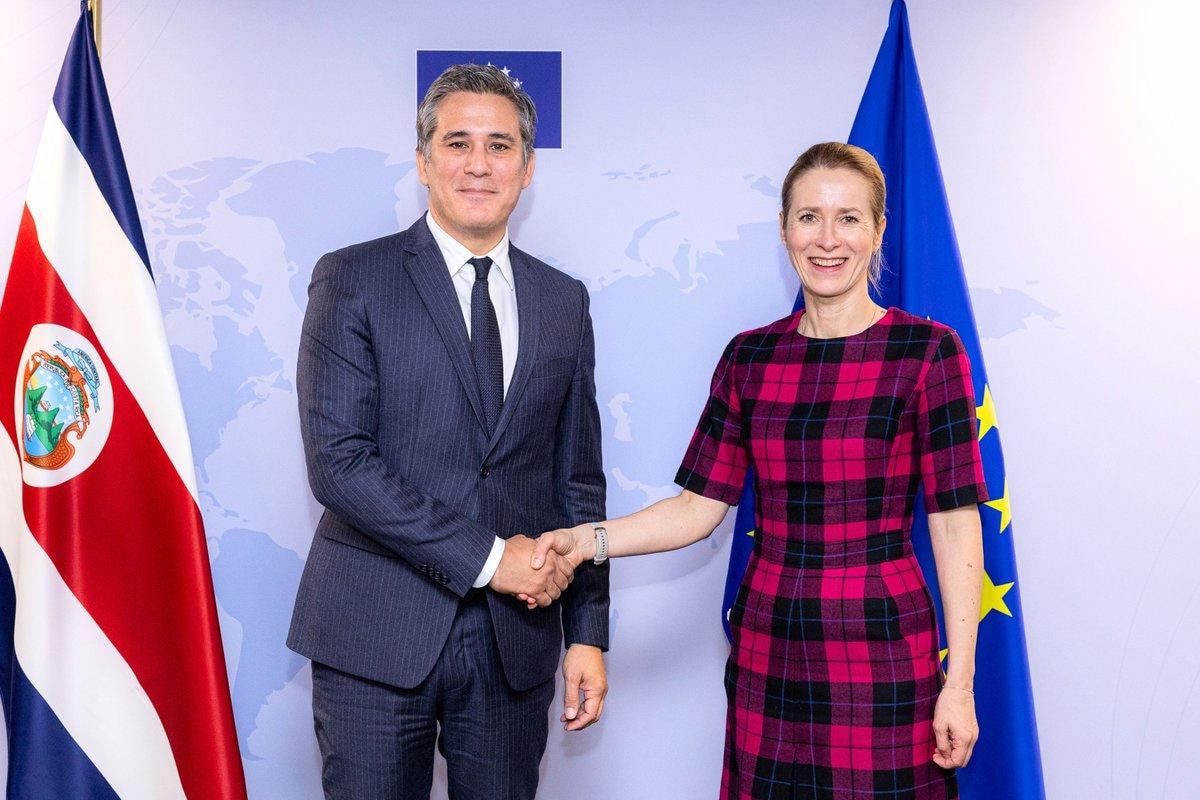
Ottawa: Canada associate membership of the European Union was the most eye-catching idea in Ursula von der Leyen’s State of the Union address in Strasbourg on 16 September 2026, delivered with Prime Minister Mark Carney in the chamber. A week later, as leaders gather at the United Nations General Assembly, capitals are still asking what the offer means in law, and whether it can survive contact with the treaties and with member states.

What Canada associate membership would mean in practice

The Commission President framed the proposal as part of a wider Alliance for the Future, listing cooperation on advanced manufacturing, defence industry, the Arctic, energy, critical raw materials, batteries, artificial intelligence, quantum and cyber. Reported building blocks include Canadian access to Erasmus+ exchanges, deeper research participation and mutual recognition of professional qualifications. None of these requires a new status. Canada is already associated to Horizon Europe and became the first non-European participant in the SAFE defence procurement loans scheme.

The difficulty is that the EU treaties know no category called associate member. Article 49 of the Treaty on European Union reserves membership for European states that respect the Union’s values. Article 217 of the Treaty on the Functioning of the European Union allows association agreements with reciprocal rights and obligations, which is the basis for the relationships with Ukraine, Moldova and Georgia. Those texts, however, are pathways toward alignment with EU law, and Ottawa has no interest in becoming a rule-taker.

Which existing models could apply

Each available template has a flaw. The European Economic Area gives Norway, Iceland and Liechtenstein full single market access, but only by taking over EU legislation without a vote. The Swiss bilateral model involves dozens of sectoral agreements and years of institutional negotiation. The United Kingdom’s post-Brexit framework is a trade and cooperation agreement, not an integration project. An upgraded version of the Comprehensive Economic and Trade Agreement is the most realistic starting point, yet CETA itself, signed in 2016 and provisionally applied since 2017, still awaits ratification in ten member states.

The idea also echoes a debate that began elsewhere. German Chancellor Friedrich Merz earlier floated a form of associate status for Ukraine as a waystation toward membership, with seats at the table but no votes. Kyiv rejected it as second-class membership. Applied to Canada, the same concept looks less like a waystation than a destination with no road behind it.

Why Brussels made the offer anyway

The political logic is clearer than the legal one. Canada and the Union both face trade pressure from Washington, and Carney has made diversification toward like-minded partners the core of his foreign policy. For the Commission, a high-profile embrace of a G7 democracy signals that the Union can offer partnership beyond its neighbourhood. Australia’s quick expression of interest suggests the idea has a market among middle powers.

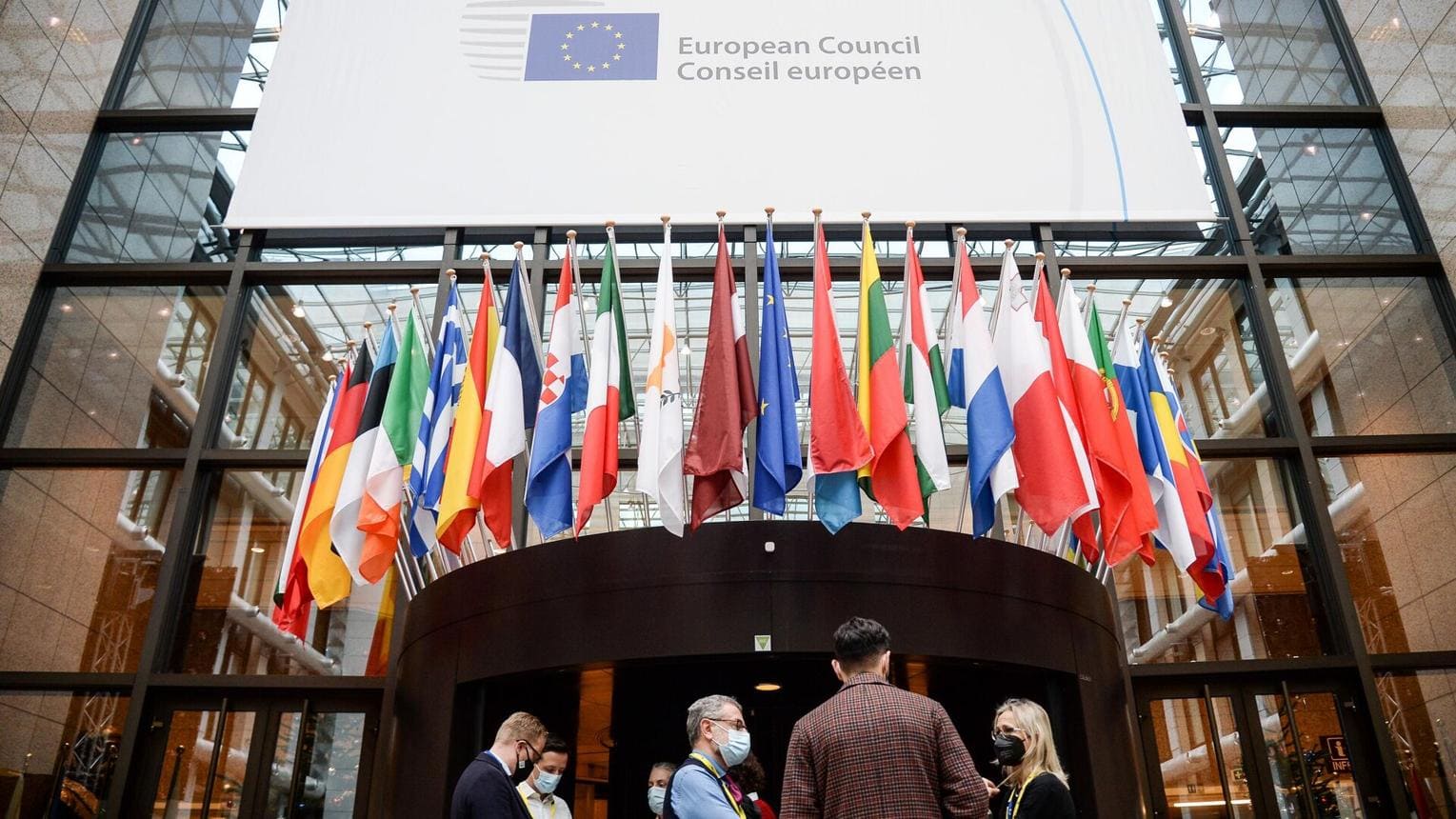
The reception in capitals has been cooler. Several governments were not consulted, and the German government questioned whether the term associate member is appropriate while remaining open to new partnership formats. Carney, addressing the European Parliament the following day, welcomed closer ties but stopped short of embracing the label.

What happens next

EU leaders are expected to discuss relations with Canada at the European Council on 15 and 16 October, though no decision is foreseen. The likeliest outcome is a bundle of sectoral agreements presented under a new political name, alongside renewed pressure on the remaining capitals to ratify CETA. For candidate countries in the Western Balkans and the eastern neighbourhood, the episode raises an uncomfortable question. If Canada associate membership becomes a fast-track offer to a non-European partner, the Union will need to explain why its own accession process, stalled this month for Montenegro, remains so slow.