October 26, 2026
LATEST
Medical Devices Regulation Reform Faces 800 AmendmentsBaltic Sea Fishing Quotas For 2027 Split Herring And CodCOP17 Biodiversity Talks Put EU Nature Pledges To The TestECB Succession Race Opens As Schnabel Seat Heads To EU LeadersSerbia EU Accession Talks Get A Fresh Start After Student List WinBangladesh Partnership Agreement Meets Graduation With Open QuestionsMexico Trade Agreement Needs Two Formal Notices Before Duties DropCentral Asia Connectivity Platform Courts Tashkent And AstanaLobito Corridor Tests Whether Europe Can Secure Critical MineralsMalaysia Trade Pact Timeline Slides To June 2027 As Chips LoomThailand Free Trade Agreement Hinges On Rice, Chicken And TunaHungarian Revolution Anniversary Draws Costa To Budapest ParliamentRecycling Claims On Plastic Bottles Face Tighter EU ScrutinyCommission Scraps Solar Glass Duties On Chinese Imports After 12 YearsCommon Fisheries Policy Reform Splits Fishers And Eco GroupsCosta Opens Bilateral Talks On EU Own Resources Before SummitEU-Türkiye High-Level Meeting Aims to Reboot Cyprus TalksStrait of Hormuz Diplomacy Finds Istanbul Before It Finds BrusselsFrozen EU Funds for Hungary Thaw After Magyar ReformsQuality Jobs Act Narrows to One Text as Ministers Weigh InMedical Devices Regulation Reform Faces 800 AmendmentsBaltic Sea Fishing Quotas For 2027 Split Herring And CodCOP17 Biodiversity Talks Put EU Nature Pledges To The TestECB Succession Race Opens As Schnabel Seat Heads To EU LeadersSerbia EU Accession Talks Get A Fresh Start After Student List WinBangladesh Partnership Agreement Meets Graduation With Open QuestionsMexico Trade Agreement Needs Two Formal Notices Before Duties DropCentral Asia Connectivity Platform Courts Tashkent And AstanaLobito Corridor Tests Whether Europe Can Secure Critical MineralsMalaysia Trade Pact Timeline Slides To June 2027 As Chips LoomThailand Free Trade Agreement Hinges On Rice, Chicken And TunaHungarian Revolution Anniversary Draws Costa To Budapest ParliamentRecycling Claims On Plastic Bottles Face Tighter EU ScrutinyCommission Scraps Solar Glass Duties On Chinese Imports After 12 YearsCommon Fisheries Policy Reform Splits Fishers And Eco GroupsCosta Opens Bilateral Talks On EU Own Resources Before SummitEU-Türkiye High-Level Meeting Aims to Reboot Cyprus TalksStrait of Hormuz Diplomacy Finds Istanbul Before It Finds BrusselsFrozen EU Funds for Hungary Thaw After Magyar ReformsQuality Jobs Act Narrows to One Text as Ministers Weigh In

Data Centre Energy Labelling Targets AI Power Appetite

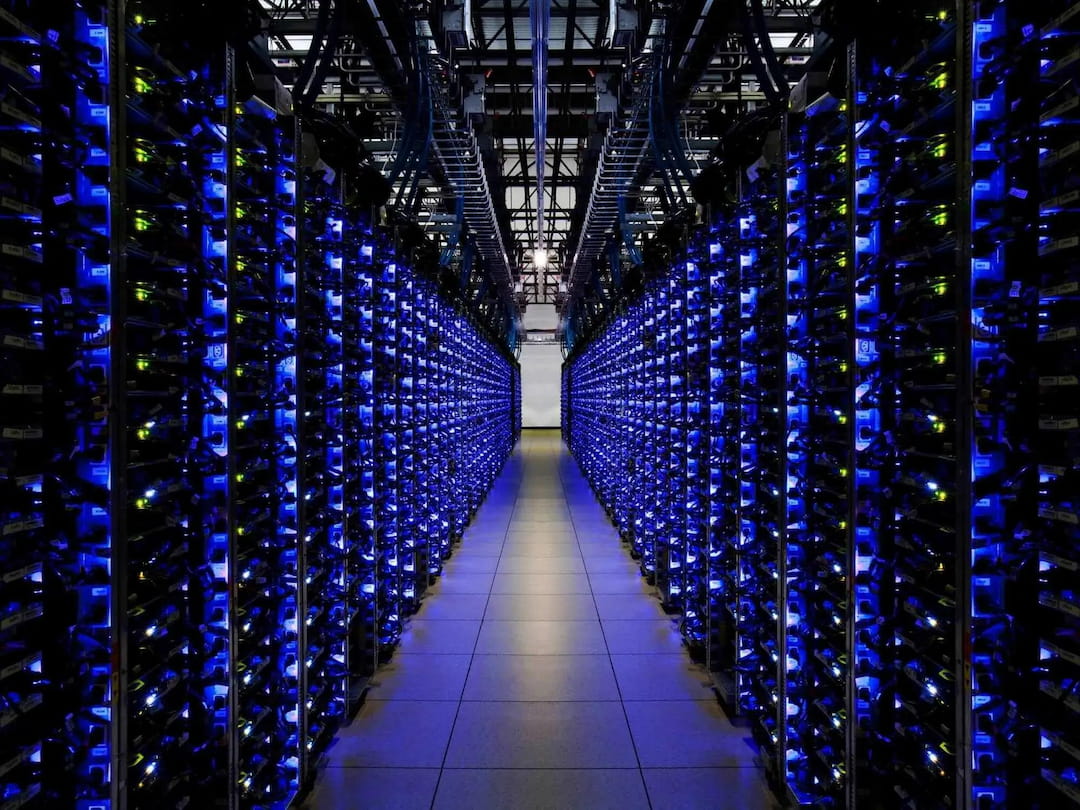
Brussels: Data centre energy labelling is moving from concept to rulebook after the European Commission presented a package in September 2026 that creates a common classification and rating system for large facilities and opens a consultation on future minimum efficiency standards. The timing matters because electricity use by data centres in the EU stood at about 68 TWh in 2024 and could reach 114 TWh by 2030, driven largely by artificial intelligence workloads.

This research note sets out what the package does, which facilities it covers and which questions remain open. It draws on the Commission’s published proposal as reported in trade coverage, and it flags where the available detail runs out.

What does data centre energy labelling cover?

The package has two parts. The first is a delegated regulation that establishes a common classification and labelling system. The second is a public consultation on possible minimum energy-performance standards for the sector. Together they move the EU from asking data centres to report data towards grading them on a shared scale.

The labelling system applies to facilities with installed IT power demand above 500 kW. That threshold captures the large colocation sites and hyperscale campuses where most of the consumption sits, while leaving small server rooms outside the scheme.

The metrics reach beyond electricity. They also cover water use and grid integration, which includes clean energy generation on site, waste heat reuse and demand flexibility. A facility could therefore earn a stronger rating for how it behaves on the grid, not only for how efficiently it turns power into computing.

Why do waste heat and grid flexibility count?

The Commission argues that data centres can lower system costs when they adjust consumption to grid conditions. A site that shifts flexible workloads away from peak hours can ease stress on networks and help integrate more wind and solar power. Data centre energy labelling gives operators a visible reason to build that capability.

Waste heat offers a second prize. The Commission estimates that recovering about half of the heat produced by European data centres could meet the heating needs of roughly 4 million households. Capturing that heat depends on district heating networks nearby, so the benefit will vary sharply between Nordic cities with mature networks and regions with none.

How will the delegated regulation reach the statute book?

Delegated regulations follow a short route. The European Parliament and the Council have a two-month scrutiny period and can object during that window. If neither does, the regulation enters into force. The first sustainability labels for individual data centres are expected in 2027, and the Commission plans to review the classification system by the end of 2028.

That sequence means operators have roughly a year to prepare their data for data centre energy labelling. Companies that already collect power, water and heat figures for national or EU reporting duties will start ahead of data centre energy labelling, while those with patchy metering will need to invest first.

What could minimum standards look like?

The consultation runs for 12 weeks and closes on 14 December 2026. Its results will inform a legislative proposal that the Commission expects in the second quarter of 2027. At this stage the package gives no numerical efficiency thresholds, so any claim about how strict the standards will be is speculation.

Three design choices will decide how far data centre energy labelling leads to minimum standards. The first is whether standards apply to new builds only or to existing sites as well. The second is whether they use a single efficiency metric or a basket that includes water and heat reuse. The third is how they treat AI training clusters, whose power density differs from conventional cloud services. Each choice shifts costs between operators, chip suppliers and utilities.

What should operators and regulators watch next?

Operators should track the scrutiny period for the delegated regulation, because an objection from Parliament or the Council would delay the 2027 labels. They should also respond to the consultation before 14 December, since the evidence submitted now will shape the Q2 2027 proposal.

Regulators face a data question. Meaningful labels need reliable, comparable measurements, and national authorities will need the capacity to check them. Without that, data centre energy labelling risks becoming a marketing tool rather than a market signal.

In short, the September package turns data centre energy labelling into a concrete EU instrument, with a 500 kW threshold, a two-month scrutiny clock and a consultation that ends on 14 December 2026. The unanswered question is how demanding the minimum standards will be, and that answer will not arrive before the 2027 proposal.