August 7, 2026
LATEST
New Zealand Trade With Europe Hits a Record in Its First YearEurope Locks Chinese Medical Devices Out of Its Public TendersHow Far Can Europe and Japan Take Their New Security Pact NowSeoul’s Gamble on Europe’s Research Money Is Starting to Pay OffEurope Freezes Its Retaliatory Tariffs on the US IndefinitelyAir Passenger Rights Get Their First Big Rewrite in 20 YearsFive Joint Defence Projects Win Brussels Backing and Shared CashTobacco Tax Overhaul Stalls as Governments Block UnanimityCritical Medicines Act Heads for Final Adoption This AutumnMoldova Accession Reaches Its Foreign-Policy ChapterMercosur Tariffs Fall as Europe’s Farmers Watch the GaugesWhy Europe’s Digital Fairness Act Worries Online RetailersErasmus+ Faces a Budget Fight Before Its 2028 RelaunchMedia Freedom Rules Turn One as Enforcement LagsPlatform Work Rules Push Member States Toward a December ReckoningSingle Ticket Plan Would Let One Booking Cover Europe by RailHungary Races an August Deadline to Unlock Its Recovery FundsCapitals Race a September Deadline to Restore NatureEuro-Zone Inflation Nudges Back Up as Energy Bills ClimbRed Bull Case Tests a New Frontier in EU AntitrustNew Zealand Trade With Europe Hits a Record in Its First YearEurope Locks Chinese Medical Devices Out of Its Public TendersHow Far Can Europe and Japan Take Their New Security Pact NowSeoul’s Gamble on Europe’s Research Money Is Starting to Pay OffEurope Freezes Its Retaliatory Tariffs on the US IndefinitelyAir Passenger Rights Get Their First Big Rewrite in 20 YearsFive Joint Defence Projects Win Brussels Backing and Shared CashTobacco Tax Overhaul Stalls as Governments Block UnanimityCritical Medicines Act Heads for Final Adoption This AutumnMoldova Accession Reaches Its Foreign-Policy ChapterMercosur Tariffs Fall as Europe’s Farmers Watch the GaugesWhy Europe’s Digital Fairness Act Worries Online RetailersErasmus+ Faces a Budget Fight Before Its 2028 RelaunchMedia Freedom Rules Turn One as Enforcement LagsPlatform Work Rules Push Member States Toward a December ReckoningSingle Ticket Plan Would Let One Booking Cover Europe by RailHungary Races an August Deadline to Unlock Its Recovery FundsCapitals Race a September Deadline to Restore NatureEuro-Zone Inflation Nudges Back Up as Energy Bills ClimbRed Bull Case Tests a New Frontier in EU Antitrust
August 7, 2026
LATEST
New Zealand Trade With Europe Hits a Record in Its First YearEurope Locks Chinese Medical Devices Out of Its Public TendersHow Far Can Europe and Japan Take Their New Security Pact NowSeoul’s Gamble on Europe’s Research Money Is Starting to Pay OffEurope Freezes Its Retaliatory Tariffs on the US IndefinitelyAir Passenger Rights Get Their First Big Rewrite in 20 YearsFive Joint Defence Projects Win Brussels Backing and Shared CashTobacco Tax Overhaul Stalls as Governments Block UnanimityCritical Medicines Act Heads for Final Adoption This AutumnMoldova Accession Reaches Its Foreign-Policy ChapterMercosur Tariffs Fall as Europe’s Farmers Watch the GaugesWhy Europe’s Digital Fairness Act Worries Online RetailersErasmus+ Faces a Budget Fight Before Its 2028 RelaunchMedia Freedom Rules Turn One as Enforcement LagsPlatform Work Rules Push Member States Toward a December ReckoningSingle Ticket Plan Would Let One Booking Cover Europe by RailHungary Races an August Deadline to Unlock Its Recovery FundsCapitals Race a September Deadline to Restore NatureEuro-Zone Inflation Nudges Back Up as Energy Bills ClimbRed Bull Case Tests a New Frontier in EU AntitrustNew Zealand Trade With Europe Hits a Record in Its First YearEurope Locks Chinese Medical Devices Out of Its Public TendersHow Far Can Europe and Japan Take Their New Security Pact NowSeoul’s Gamble on Europe’s Research Money Is Starting to Pay OffEurope Freezes Its Retaliatory Tariffs on the US IndefinitelyAir Passenger Rights Get Their First Big Rewrite in 20 YearsFive Joint Defence Projects Win Brussels Backing and Shared CashTobacco Tax Overhaul Stalls as Governments Block UnanimityCritical Medicines Act Heads for Final Adoption This AutumnMoldova Accession Reaches Its Foreign-Policy ChapterMercosur Tariffs Fall as Europe’s Farmers Watch the GaugesWhy Europe’s Digital Fairness Act Worries Online RetailersErasmus+ Faces a Budget Fight Before Its 2028 RelaunchMedia Freedom Rules Turn One as Enforcement LagsPlatform Work Rules Push Member States Toward a December ReckoningSingle Ticket Plan Would Let One Booking Cover Europe by RailHungary Races an August Deadline to Unlock Its Recovery FundsCapitals Race a September Deadline to Restore NatureEuro-Zone Inflation Nudges Back Up as Energy Bills ClimbRed Bull Case Tests a New Frontier in EU Antitrust

Europe Wagers Its Competitiveness on Cheaper Power

Brussels: With its Electrification Action Plan, the European Commission has made a large bet that electrification can rescue the bloc’s competitiveness while cutting its dependence on imported fossil fuels. The plan, published on 17 July 2026, casts affordable and homegrown electricity as the spine of Europe’s industrial future.

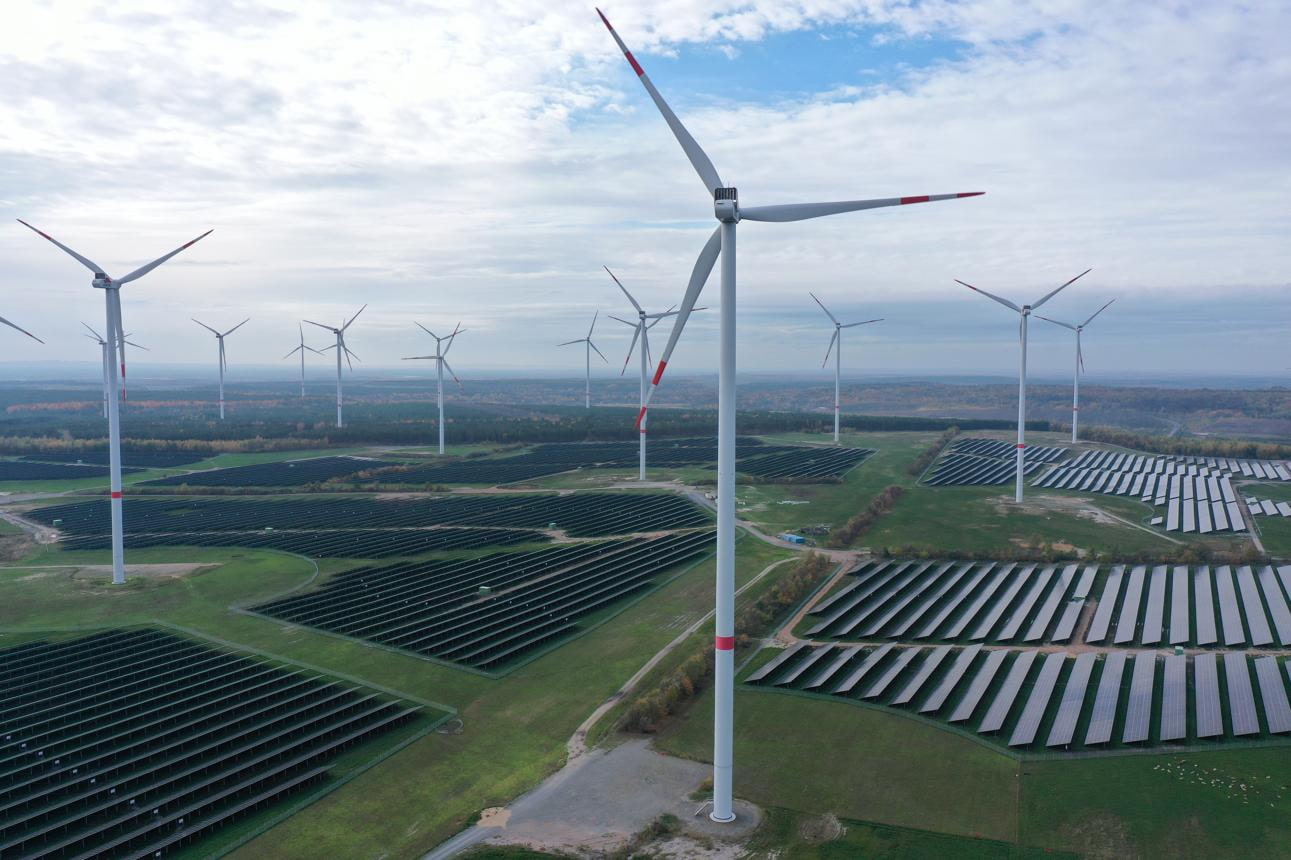
The ambition is blunt. Brussels wants Europe to become the “first electro-powered continent”, and it proposes an indicative target that lifts electricity to 46% of final energy consumption by 2040. Today that share sits far lower, so the gap between rhetoric and reality frames the entire debate.

The economic case

The Commission argues that switching to electricity could cut fossil fuel imports by up to 260 billion euros a year, lower bills for households and businesses, and create hundreds of thousands of jobs. It also targets the price gap that still makes gas cheaper than power for many industrial users, because that gap discourages firms from electrifying.

To close it, the Commission wants member states to reduce network charges for some consumer groups and to ease taxes for energy-intensive businesses. A parallel proposal would empower governments to future-proof electricity bills, so that the cost of switching does not fall hardest on the households and factories the plan needs to win over.

Money follows the rhetoric. The package pairs the plan with a proposed revision of the EU Emissions Trading System, and it channels support through a proposed 100 billion euro Industrial Decarbonisation Bank and a 30 billion euro ETS Investment Booster. Both instruments could fund grid connections, electrification equipment and storage.

Where the plan could stall

The obstacles are real. Industry groups warn that doubling down on electricity demands a far more robust carbon market and a faster grid build-out, because clean power means little if it cannot reach the factories that need it. Grid permitting remains slow, and new lines take years to plan and build.

Cost also cuts both ways. A generous package of tax breaks and reduced network charges shifts money somewhere, and governments already stretched by defence and welfare spending will scrutinise every euro. The Commission proposes; national treasuries and parliaments dispose.

There is a competitiveness logic that critics accept even when they doubt the targets. European manufacturers pay more for energy than rivals in the United States and China, and that gap erodes their ability to compete. If electrification narrows it, the bloc gains a durable advantage; if it stalls, Europe electrifies slowly while its industrial base thins.

The plan therefore reads as both an energy strategy and an industrial one. Brussels links clean power to jobs, to independence from volatile fossil markets, and to the survival of heavy industry on European soil. That framing raises the political stakes, because failure would not merely miss a climate target but weaken the economy the Commission claims to defend.

For now the action plan sets a direction rather than a guarantee. The targets are indicative, the funding still needs approval, and the grid still needs steel in the ground. Europe has placed its wager on cheaper, cleaner power; the coming years will show whether the continent can actually cash it in.