August 11, 2026
LATEST
Air Passenger Rights Get Their First Overhaul in Two DecadesDeforestation Regulation Nears Its December Compliance DeadlineHealth Data Space Enters Its First Operational PhaseBroken Appliances Now Come With a Right to Be FixedScorched Fields Leave Europe Counting Its Harvest LossesEurope Courts Central Asia to Break Its Reliance on Russian TransitMercosur Deal Takes Effect in Limbo as Judges Weigh Its FateEurope’s Air Quality Improves but WHO Limits LoomTwelve New EU Medicines Win a Green Light from EMAFIFA Agent Rules Must Answer to Europe’s CourtsTachograph Rules Now Reach Vans Crossing Europe’s BordersNature Restoration Plans Come Due as a Hard Deadline NearsBrussels Opens a State Aid Probe Into Spain’s Renewables PayoutBrussels Extends Its Tariff Suspension on US Goods IndefinitelyFarmers Win Stronger Contract Rights Across the EU Supply ChainEurope Finally Locks In Its 348-Satellite Answer to StarlinkPlatform Work Rules Face a National Scramble Before DecemberDuty-Free Parcels Reach the End of the Line for EU ShoppersAfter Nine Years, Europe and Australia Seal a Trade PactBeijing Answers Europe’s Russia Sanctions in KindAir Passenger Rights Get Their First Overhaul in Two DecadesDeforestation Regulation Nears Its December Compliance DeadlineHealth Data Space Enters Its First Operational PhaseBroken Appliances Now Come With a Right to Be FixedScorched Fields Leave Europe Counting Its Harvest LossesEurope Courts Central Asia to Break Its Reliance on Russian TransitMercosur Deal Takes Effect in Limbo as Judges Weigh Its FateEurope’s Air Quality Improves but WHO Limits LoomTwelve New EU Medicines Win a Green Light from EMAFIFA Agent Rules Must Answer to Europe’s CourtsTachograph Rules Now Reach Vans Crossing Europe’s BordersNature Restoration Plans Come Due as a Hard Deadline NearsBrussels Opens a State Aid Probe Into Spain’s Renewables PayoutBrussels Extends Its Tariff Suspension on US Goods IndefinitelyFarmers Win Stronger Contract Rights Across the EU Supply ChainEurope Finally Locks In Its 348-Satellite Answer to StarlinkPlatform Work Rules Face a National Scramble Before DecemberDuty-Free Parcels Reach the End of the Line for EU ShoppersAfter Nine Years, Europe and Australia Seal a Trade PactBeijing Answers Europe’s Russia Sanctions in Kind
August 11, 2026
LATEST
Air Passenger Rights Get Their First Overhaul in Two DecadesDeforestation Regulation Nears Its December Compliance DeadlineHealth Data Space Enters Its First Operational PhaseBroken Appliances Now Come With a Right to Be FixedScorched Fields Leave Europe Counting Its Harvest LossesEurope Courts Central Asia to Break Its Reliance on Russian TransitMercosur Deal Takes Effect in Limbo as Judges Weigh Its FateEurope’s Air Quality Improves but WHO Limits LoomTwelve New EU Medicines Win a Green Light from EMAFIFA Agent Rules Must Answer to Europe’s CourtsTachograph Rules Now Reach Vans Crossing Europe’s BordersNature Restoration Plans Come Due as a Hard Deadline NearsBrussels Opens a State Aid Probe Into Spain’s Renewables PayoutBrussels Extends Its Tariff Suspension on US Goods IndefinitelyFarmers Win Stronger Contract Rights Across the EU Supply ChainEurope Finally Locks In Its 348-Satellite Answer to StarlinkPlatform Work Rules Face a National Scramble Before DecemberDuty-Free Parcels Reach the End of the Line for EU ShoppersAfter Nine Years, Europe and Australia Seal a Trade PactBeijing Answers Europe’s Russia Sanctions in KindAir Passenger Rights Get Their First Overhaul in Two DecadesDeforestation Regulation Nears Its December Compliance DeadlineHealth Data Space Enters Its First Operational PhaseBroken Appliances Now Come With a Right to Be FixedScorched Fields Leave Europe Counting Its Harvest LossesEurope Courts Central Asia to Break Its Reliance on Russian TransitMercosur Deal Takes Effect in Limbo as Judges Weigh Its FateEurope’s Air Quality Improves but WHO Limits LoomTwelve New EU Medicines Win a Green Light from EMAFIFA Agent Rules Must Answer to Europe’s CourtsTachograph Rules Now Reach Vans Crossing Europe’s BordersNature Restoration Plans Come Due as a Hard Deadline NearsBrussels Opens a State Aid Probe Into Spain’s Renewables PayoutBrussels Extends Its Tariff Suspension on US Goods IndefinitelyFarmers Win Stronger Contract Rights Across the EU Supply ChainEurope Finally Locks In Its 348-Satellite Answer to StarlinkPlatform Work Rules Face a National Scramble Before DecemberDuty-Free Parcels Reach the End of the Line for EU ShoppersAfter Nine Years, Europe and Australia Seal a Trade PactBeijing Answers Europe’s Russia Sanctions in Kind

Democracy Grants Reopen as the EU Values Programme Expands

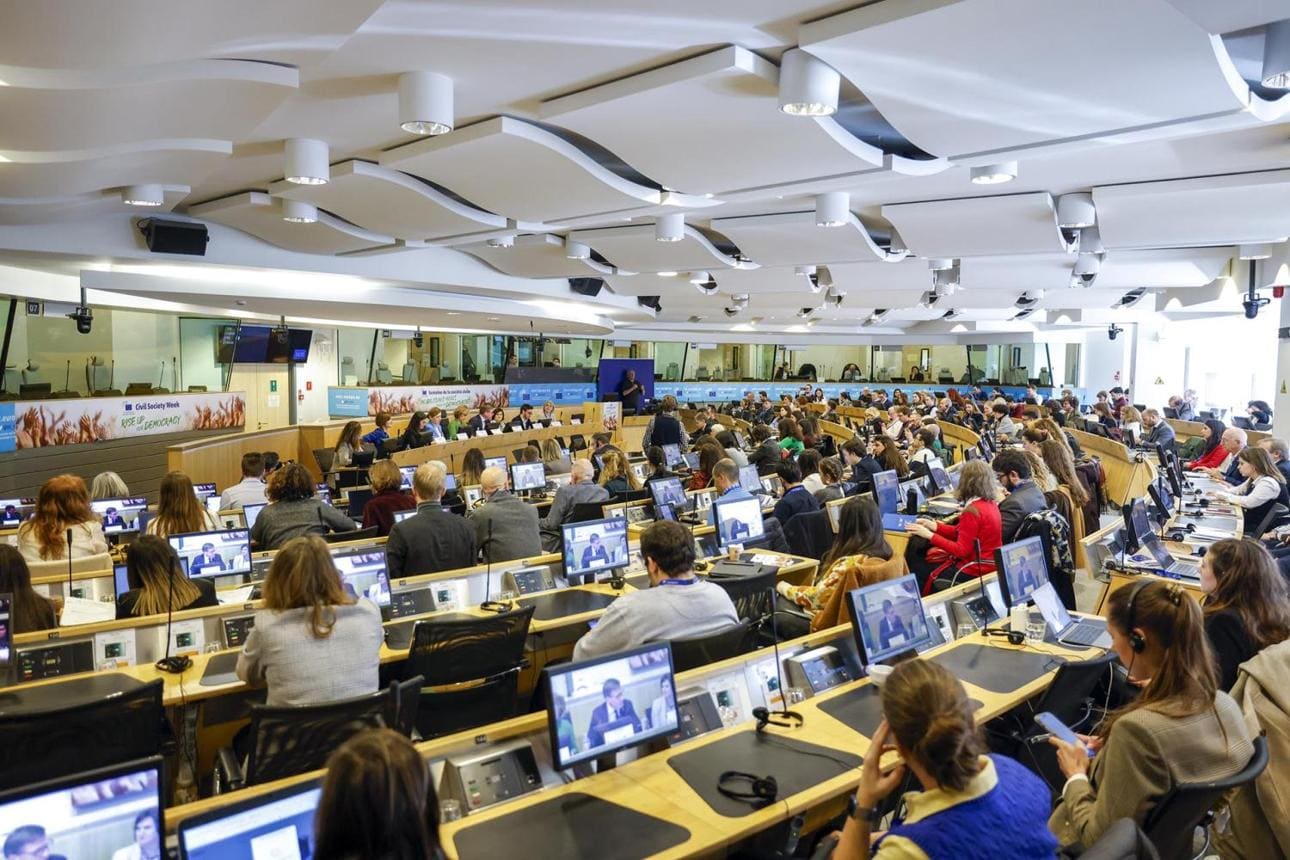
Gdańsk: In a city that helped topple one empire and now guards against democratic backsliding, civil-society groups are sharpening their funding bids. The Union has reopened its flagship values programme, and the first 2026 calls now sit on the funding portal, with more promised in the months ahead.

The Citizens, Equality, Rights and Values programme, known as CERV, bankrolls the unglamorous work that keeps democracies healthy. It funds town-twinning schemes, remembrance projects, gender-equality campaigns, and the watchdog groups that hold governments to account under the Charter of Fundamental Rights.

The numbers give a sense of scale. Across 2026 the programme offers around 305 million euros through roughly a dozen calls, with sizeable envelopes reserved for citizens’ engagement and for rights and equality work. The full seven-year budget approaches 1.55 billion euros, a modest sum beside the Union’s farm or research spending yet vital to the groups that depend on it.

Eligibility runs wide. Local associations, national charities, and transnational networks can all apply, and the Commission has pushed grassroots bodies to bid rather than leave the money to large, well-resourced federations. The programme’s overview page lists the themes on offer.

The timing carries weight. Several member states face criticism over media freedom and judicial independence, and civil-society funding often becomes a lifeline for organisations that clash with their own governments. By routing money directly to these groups, the Union sidesteps hostile capitals and keeps a check alive where national support has withered.

The Daphne strand draws particular attention. It targets violence against women and children, a priority that unites lawmakers across the political spectrum even as they quarrel over other rights questions. Remembrance funding, meanwhile, backs projects that keep the memory of Europe’s totalitarian past in public view.

Applicants must navigate the electronic submission system, and smaller groups often struggle with the bureaucracy that big grants demand. The executive agency that runs the calls has published guidance and deadlines to ease the path, detailed in its announcement of the new round.

Town-twinning captures the programme’s quieter ambition. Modest grants let a Polish town host counterparts from Spain or Portugal, and organisers say those exchanges build the everyday trust that treaties cannot legislate. In an age of hardening borders, the Commission treats such encounters as democratic infrastructure rather than mere ceremony.

For the organisers gathering in Gdansk and a hundred other towns, the reopened calls offer more than cash. They signal that Brussels still treats democracy, remembrance, and equality as causes worth funding, at a moment when each looks less secure than it did a decade ago.