Sofia: The European Commission delivered its seventh annual rule of law health check in mid-July, and the verdict reads as a study in slow motion. Member states have followed up, fully or partly, on 47 percent of last year’s recommendations, a figure that officials frame as steady progress and critics read as evidence of drift.
The report scans all twenty-seven member states across four familiar fronts, namely the justice system, the anti-corruption framework, media pluralism and the wider institutional balance. For the first time it also folds in four candidate countries, extending the exercise to Albania, Montenegro, North Macedonia and Serbia as the bloc weighs enlargement.
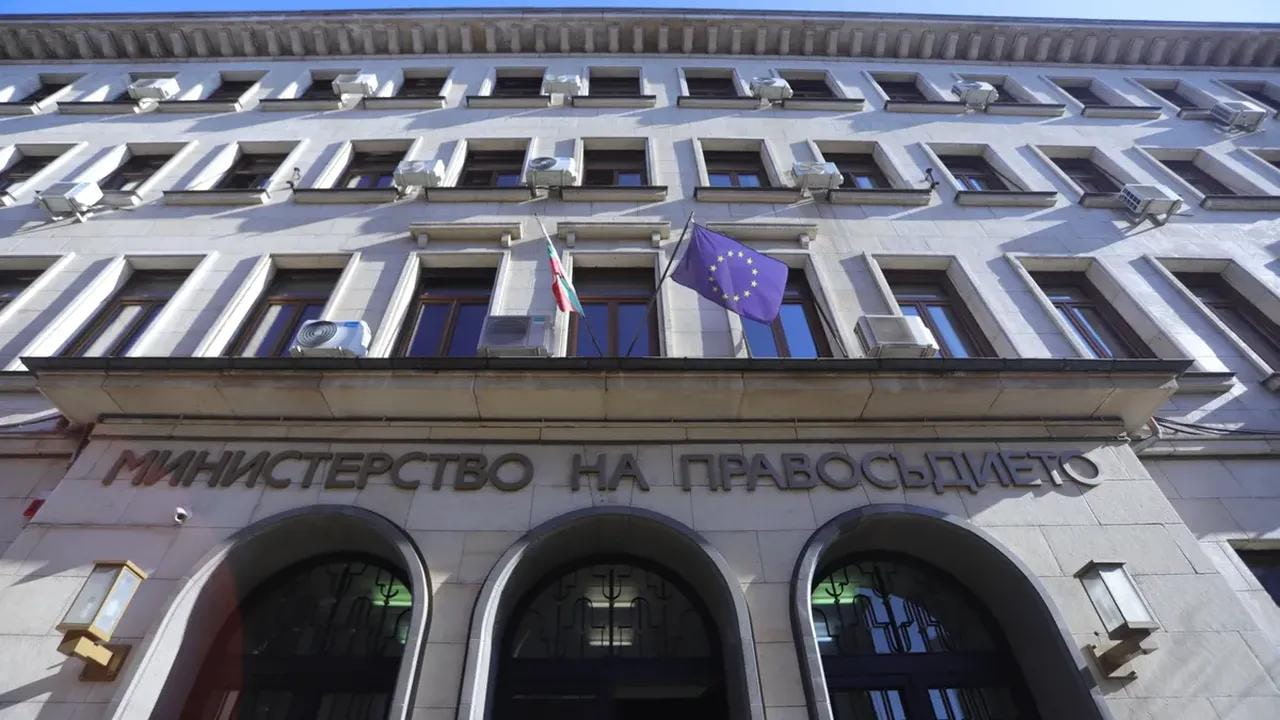
Bulgaria illustrates why the numbers matter. Governments here have promised judicial reform for years, and Brussels keeps pressing on the independence of prosecutors and the fight against graft. The Commission logged genuine movement in several capitals, yet it flagged serious concerns where reforms stalled or reversed. Its July statement stresses that a strong rule of law underpins prosperity as much as democracy.
The Commission sharpened its message on media freedom. It urged full enforcement of safeguards for journalists and warned against political capture of public broadcasters, a theme that press-freedom groups amplified in their own parallel assessments. Reporters’ safety and transparent media ownership feature prominently among the recommendations.
Supporters of the exercise argue that sunlight works. By publishing country chapters and tracking follow-up year on year, the Commission builds a public record that governments find harder to ignore. Reformers inside member states, they note, often cite the report to win arguments at home.
Detractors counter that a report without teeth changes little. The Commission can recommend, name and shame, but it cannot compel, and the tools that do carry force, such as budget conditionality, sit outside this annual cycle. A capital determined to resist can absorb criticism and move on.
The candidate countries add a fresh dimension. Folding them into the same framework signals that accession will hinge on rule of law credentials, and it gives reformers in the Western Balkans a yardstick to measure their governments against. Enlargement and internal discipline now share a single lens.
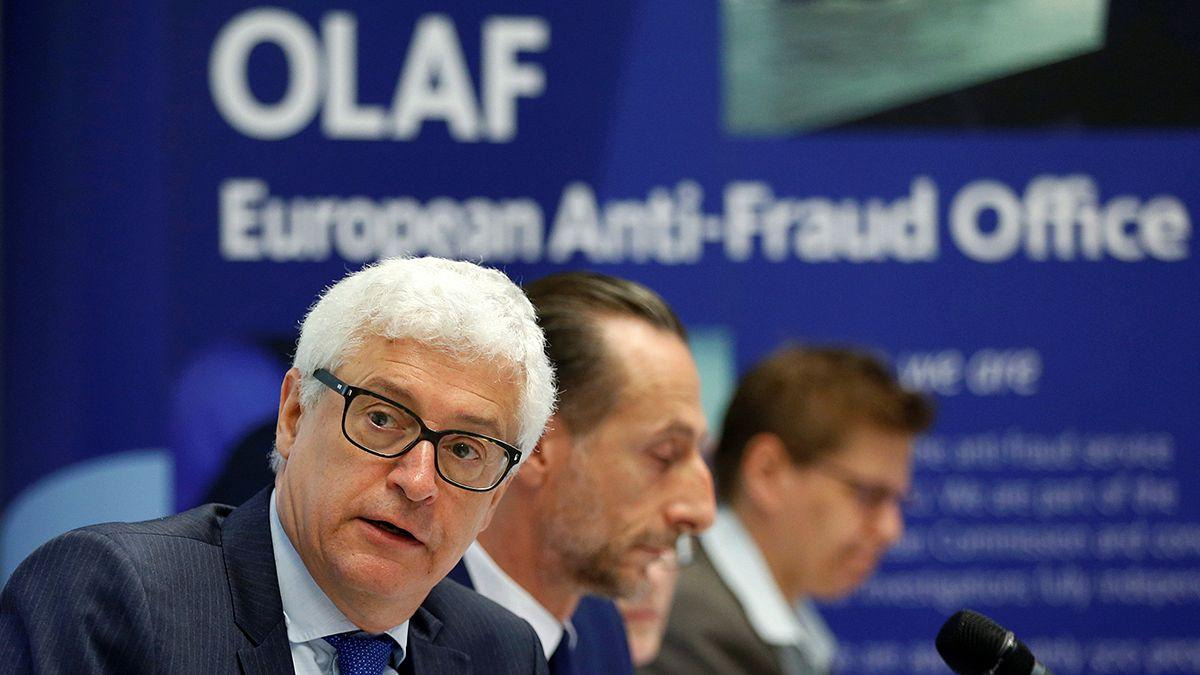
Anti-corruption remains the stubborn core. The Commission wants stronger enforcement, better protection for whistleblowers and clearer rules on lobbying and party finance. Progress, where it comes, tends to arrive in statutes rather than in convictions, and the gap between law and practice frustrates campaigners.
For Sofia and capitals like it, the rule of law report offers both a warning and a road map. The document will not, on its own, remake a judiciary or jail a fraudster. Yet each edition raises the cost of standing still, and the slow arithmetic of follow-up rates may prove more decisive than any single headline.