August 11, 2026
LATEST
Air Passenger Rights Get Their First Overhaul in Two DecadesDeforestation Regulation Nears Its December Compliance DeadlineHealth Data Space Enters Its First Operational PhaseBroken Appliances Now Come With a Right to Be FixedScorched Fields Leave Europe Counting Its Harvest LossesEurope Courts Central Asia to Break Its Reliance on Russian TransitMercosur Deal Takes Effect in Limbo as Judges Weigh Its FateEurope’s Air Quality Improves but WHO Limits LoomTwelve New EU Medicines Win a Green Light from EMAFIFA Agent Rules Must Answer to Europe’s CourtsTachograph Rules Now Reach Vans Crossing Europe’s BordersNature Restoration Plans Come Due as a Hard Deadline NearsBrussels Opens a State Aid Probe Into Spain’s Renewables PayoutBrussels Extends Its Tariff Suspension on US Goods IndefinitelyFarmers Win Stronger Contract Rights Across the EU Supply ChainEurope Finally Locks In Its 348-Satellite Answer to StarlinkPlatform Work Rules Face a National Scramble Before DecemberDuty-Free Parcels Reach the End of the Line for EU ShoppersAfter Nine Years, Europe and Australia Seal a Trade PactBeijing Answers Europe’s Russia Sanctions in KindAir Passenger Rights Get Their First Overhaul in Two DecadesDeforestation Regulation Nears Its December Compliance DeadlineHealth Data Space Enters Its First Operational PhaseBroken Appliances Now Come With a Right to Be FixedScorched Fields Leave Europe Counting Its Harvest LossesEurope Courts Central Asia to Break Its Reliance on Russian TransitMercosur Deal Takes Effect in Limbo as Judges Weigh Its FateEurope’s Air Quality Improves but WHO Limits LoomTwelve New EU Medicines Win a Green Light from EMAFIFA Agent Rules Must Answer to Europe’s CourtsTachograph Rules Now Reach Vans Crossing Europe’s BordersNature Restoration Plans Come Due as a Hard Deadline NearsBrussels Opens a State Aid Probe Into Spain’s Renewables PayoutBrussels Extends Its Tariff Suspension on US Goods IndefinitelyFarmers Win Stronger Contract Rights Across the EU Supply ChainEurope Finally Locks In Its 348-Satellite Answer to StarlinkPlatform Work Rules Face a National Scramble Before DecemberDuty-Free Parcels Reach the End of the Line for EU ShoppersAfter Nine Years, Europe and Australia Seal a Trade PactBeijing Answers Europe’s Russia Sanctions in Kind
August 11, 2026
LATEST
Air Passenger Rights Get Their First Overhaul in Two DecadesDeforestation Regulation Nears Its December Compliance DeadlineHealth Data Space Enters Its First Operational PhaseBroken Appliances Now Come With a Right to Be FixedScorched Fields Leave Europe Counting Its Harvest LossesEurope Courts Central Asia to Break Its Reliance on Russian TransitMercosur Deal Takes Effect in Limbo as Judges Weigh Its FateEurope’s Air Quality Improves but WHO Limits LoomTwelve New EU Medicines Win a Green Light from EMAFIFA Agent Rules Must Answer to Europe’s CourtsTachograph Rules Now Reach Vans Crossing Europe’s BordersNature Restoration Plans Come Due as a Hard Deadline NearsBrussels Opens a State Aid Probe Into Spain’s Renewables PayoutBrussels Extends Its Tariff Suspension on US Goods IndefinitelyFarmers Win Stronger Contract Rights Across the EU Supply ChainEurope Finally Locks In Its 348-Satellite Answer to StarlinkPlatform Work Rules Face a National Scramble Before DecemberDuty-Free Parcels Reach the End of the Line for EU ShoppersAfter Nine Years, Europe and Australia Seal a Trade PactBeijing Answers Europe’s Russia Sanctions in KindAir Passenger Rights Get Their First Overhaul in Two DecadesDeforestation Regulation Nears Its December Compliance DeadlineHealth Data Space Enters Its First Operational PhaseBroken Appliances Now Come With a Right to Be FixedScorched Fields Leave Europe Counting Its Harvest LossesEurope Courts Central Asia to Break Its Reliance on Russian TransitMercosur Deal Takes Effect in Limbo as Judges Weigh Its FateEurope’s Air Quality Improves but WHO Limits LoomTwelve New EU Medicines Win a Green Light from EMAFIFA Agent Rules Must Answer to Europe’s CourtsTachograph Rules Now Reach Vans Crossing Europe’s BordersNature Restoration Plans Come Due as a Hard Deadline NearsBrussels Opens a State Aid Probe Into Spain’s Renewables PayoutBrussels Extends Its Tariff Suspension on US Goods IndefinitelyFarmers Win Stronger Contract Rights Across the EU Supply ChainEurope Finally Locks In Its 348-Satellite Answer to StarlinkPlatform Work Rules Face a National Scramble Before DecemberDuty-Free Parcels Reach the End of the Line for EU ShoppersAfter Nine Years, Europe and Australia Seal a Trade PactBeijing Answers Europe’s Russia Sanctions in Kind

Platform Firms Face a Reckoning as the Rider Deadline Approaches

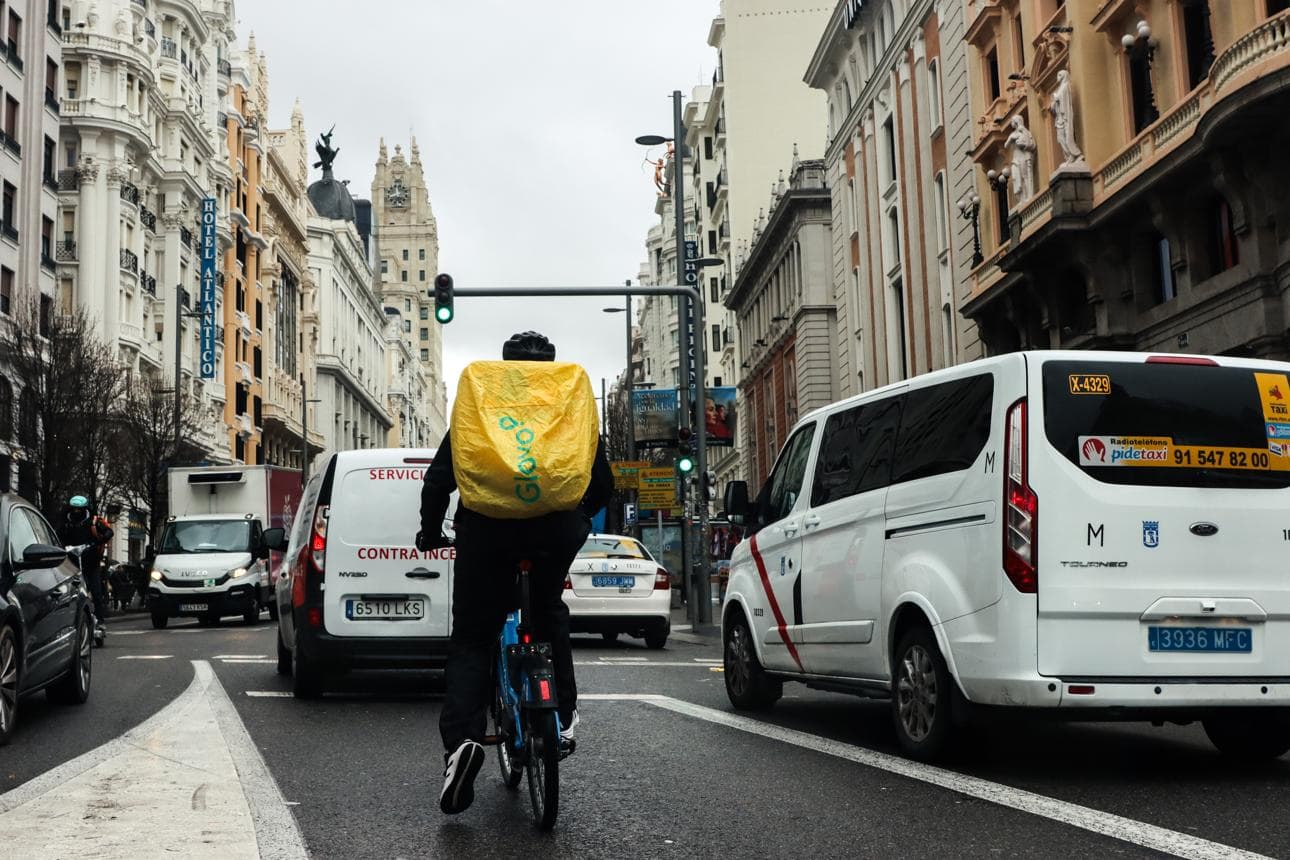
Madrid: The couriers weaving through Spanish traffic on electric bikes have become the front line of a labour question the whole European Union must answer by the end of this year. A directive on platform work is nearing its transposition deadline, and the countries that have dragged their feet are running out of room to decide how millions of gig workers will be classified.

The Platform Work Directive, adopted in 2024, gives member states until December 2026 to write its terms into national law. Its centrepiece is a legal presumption of employment. Where the facts suggest a worker is managed like an employee, the law will treat them as one unless the platform can prove otherwise, a shift that moves the burden of proof off the worker and onto the company.

The consequences are concrete. A rider reclassified as an employee gains access to holiday pay, sick pay, statutory social security, the minimum wage and protection against unfair dismissal, benefits that self-employed status has long kept out of reach. For companies built on rosters of nominally independent contractors, the change strikes at the core of the model.

Spain offers a preview. Its earlier rider law already pushed delivery platforms to hire couriers as employees, prompting some firms to overhaul operations and others to threaten retreat. The national experience showed both what reclassification can deliver in rights and how fiercely platforms resist it, a pattern other governments are now watching as they draft their own texts.

The directive does more than settle status. It also reaches into algorithmic management, requiring that automated decisions affecting workers face human review and that people receive real information about the systems ranking and disciplining them. Regulators have started treating the black-box scheduling that governs gig work as a labour-rights issue, not merely a technical one. The Commission sets out the wider framework in its overview of workers’ rights and working conditions.

Transposition will not look the same everywhere. Some governments will apply the presumption broadly, others will hedge, narrowing the tests that trigger it and leaving courts to fill the gaps. That patchwork risks the very fragmentation the directive set out to cure, with a courier’s rights depending as much on which capital wrote the rules as on the work itself.

Pressure is building elsewhere in the wage debate too. Minimum wages rose across much of the bloc in January, though unions in some countries accused governments of delaying scheduled increases in breach of the EU’s minimum-wage rules. Taken together, the two files show a union trying to lift the floor under its lowest-paid workers while an entire industry argues over who counts as a worker at all. By December every capital must have a text on the books, and the couriers of Madrid, Milan and beyond will learn whether the law now sees them as employees or contractors.