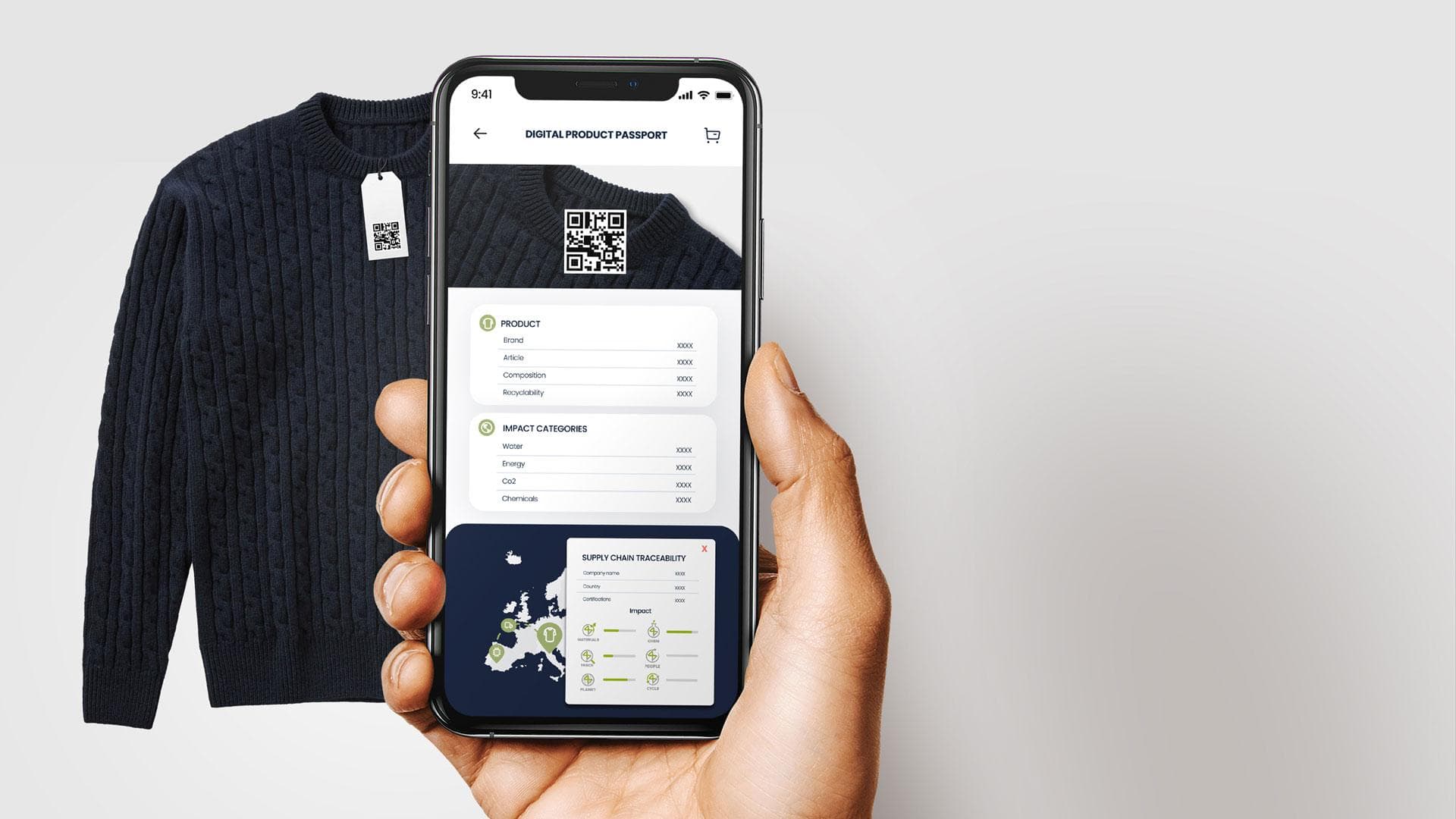
Turin: Europe has quietly switched on the digital backbone of its recycling ambitions, opening a central registry that will give almost every product sold in the bloc a product passport.
The Commission launched the registry on 20 July, a database that manufacturers must feed with information about what their goods contain, where the materials came from and how the items can be repaired or recycled. It underpins the digital product passport, a machine-readable record that regulators intend to attach, in stages, to a vast range of goods.
Batteries lead the way, and Turin has a stake in how the rollout unfolds. The city sits at the heart of Italy’s automotive industry, where carmakers and their suppliers are racing to secure supplies of the cells that power electric vehicles. A passport that tracks a battery’s origin and chemistry promises to reshape how those firms buy, reuse and recycle their most valuable component.
The hard deadline arrives in early 2027. From 18 February that year, the passport becomes mandatory for electric-vehicle batteries, for the smaller packs that drive e-bikes and scooters, and for industrial batteries above two kilowatt-hours placed on the European market. Manufacturers that miss the cut-off risk losing access to the bloc’s buyers.
Before then, the Commission plans to adopt a delegated act, expected around August, that sets out who may see a passport’s data and how companies must keep the records current. Those technical rules decide whether the scheme becomes a genuine tool for repairers and recyclers or a box-ticking exercise that gathers dust in a database.
The logic behind the passport is straightforward. Europe imports most of the raw materials its green transition depends on, and it wants to squeeze far more value from the metals already circulating inside the continent. A recycler who can read exactly what a spent battery holds can recover cobalt, lithium and nickel more cheaply and cleanly than one working blind.
Consumers stand to gain a clearer view of what they buy. Scanning a code could reveal how long a product should last, whether spare parts exist and how to dispose of it responsibly, arming shoppers against the vague sustainability claims that regulators have spent years trying to police.
Industry groups broadly welcome the direction while fretting over the detail. Smaller firms worry about the cost of gathering and verifying data across tangled supply chains, and some warn that sensitive commercial information could leak if access rules prove too loose. The delegated act is meant to answer exactly those fears.
The battery rules serve as a test bed for a much wider plan. Under the Union’s ecodesign framework, textiles, electronics, furniture and construction materials will eventually carry passports of their own, making the registry launched this summer the first stone in a far larger structure. Guidance from bodies tracking the battery passport requirements already runs to dense technical manuals.
For now, the registry stands mostly empty, waiting for manufacturers to fill it. Whether it delivers the circular economy Europe promises depends less on the software than on the discipline of the thousands of companies that must, product by product, tell the truth about what they make.