August 11, 2026
LATEST
Air Passenger Rights Get Their First Overhaul in Two DecadesDeforestation Regulation Nears Its December Compliance DeadlineHealth Data Space Enters Its First Operational PhaseBroken Appliances Now Come With a Right to Be FixedScorched Fields Leave Europe Counting Its Harvest LossesEurope Courts Central Asia to Break Its Reliance on Russian TransitMercosur Deal Takes Effect in Limbo as Judges Weigh Its FateEurope’s Air Quality Improves but WHO Limits LoomTwelve New EU Medicines Win a Green Light from EMAFIFA Agent Rules Must Answer to Europe’s CourtsTachograph Rules Now Reach Vans Crossing Europe’s BordersNature Restoration Plans Come Due as a Hard Deadline NearsBrussels Opens a State Aid Probe Into Spain’s Renewables PayoutBrussels Extends Its Tariff Suspension on US Goods IndefinitelyFarmers Win Stronger Contract Rights Across the EU Supply ChainEurope Finally Locks In Its 348-Satellite Answer to StarlinkPlatform Work Rules Face a National Scramble Before DecemberDuty-Free Parcels Reach the End of the Line for EU ShoppersAfter Nine Years, Europe and Australia Seal a Trade PactBeijing Answers Europe’s Russia Sanctions in KindAir Passenger Rights Get Their First Overhaul in Two DecadesDeforestation Regulation Nears Its December Compliance DeadlineHealth Data Space Enters Its First Operational PhaseBroken Appliances Now Come With a Right to Be FixedScorched Fields Leave Europe Counting Its Harvest LossesEurope Courts Central Asia to Break Its Reliance on Russian TransitMercosur Deal Takes Effect in Limbo as Judges Weigh Its FateEurope’s Air Quality Improves but WHO Limits LoomTwelve New EU Medicines Win a Green Light from EMAFIFA Agent Rules Must Answer to Europe’s CourtsTachograph Rules Now Reach Vans Crossing Europe’s BordersNature Restoration Plans Come Due as a Hard Deadline NearsBrussels Opens a State Aid Probe Into Spain’s Renewables PayoutBrussels Extends Its Tariff Suspension on US Goods IndefinitelyFarmers Win Stronger Contract Rights Across the EU Supply ChainEurope Finally Locks In Its 348-Satellite Answer to StarlinkPlatform Work Rules Face a National Scramble Before DecemberDuty-Free Parcels Reach the End of the Line for EU ShoppersAfter Nine Years, Europe and Australia Seal a Trade PactBeijing Answers Europe’s Russia Sanctions in Kind
August 11, 2026
LATEST
Air Passenger Rights Get Their First Overhaul in Two DecadesDeforestation Regulation Nears Its December Compliance DeadlineHealth Data Space Enters Its First Operational PhaseBroken Appliances Now Come With a Right to Be FixedScorched Fields Leave Europe Counting Its Harvest LossesEurope Courts Central Asia to Break Its Reliance on Russian TransitMercosur Deal Takes Effect in Limbo as Judges Weigh Its FateEurope’s Air Quality Improves but WHO Limits LoomTwelve New EU Medicines Win a Green Light from EMAFIFA Agent Rules Must Answer to Europe’s CourtsTachograph Rules Now Reach Vans Crossing Europe’s BordersNature Restoration Plans Come Due as a Hard Deadline NearsBrussels Opens a State Aid Probe Into Spain’s Renewables PayoutBrussels Extends Its Tariff Suspension on US Goods IndefinitelyFarmers Win Stronger Contract Rights Across the EU Supply ChainEurope Finally Locks In Its 348-Satellite Answer to StarlinkPlatform Work Rules Face a National Scramble Before DecemberDuty-Free Parcels Reach the End of the Line for EU ShoppersAfter Nine Years, Europe and Australia Seal a Trade PactBeijing Answers Europe’s Russia Sanctions in KindAir Passenger Rights Get Their First Overhaul in Two DecadesDeforestation Regulation Nears Its December Compliance DeadlineHealth Data Space Enters Its First Operational PhaseBroken Appliances Now Come With a Right to Be FixedScorched Fields Leave Europe Counting Its Harvest LossesEurope Courts Central Asia to Break Its Reliance on Russian TransitMercosur Deal Takes Effect in Limbo as Judges Weigh Its FateEurope’s Air Quality Improves but WHO Limits LoomTwelve New EU Medicines Win a Green Light from EMAFIFA Agent Rules Must Answer to Europe’s CourtsTachograph Rules Now Reach Vans Crossing Europe’s BordersNature Restoration Plans Come Due as a Hard Deadline NearsBrussels Opens a State Aid Probe Into Spain’s Renewables PayoutBrussels Extends Its Tariff Suspension on US Goods IndefinitelyFarmers Win Stronger Contract Rights Across the EU Supply ChainEurope Finally Locks In Its 348-Satellite Answer to StarlinkPlatform Work Rules Face a National Scramble Before DecemberDuty-Free Parcels Reach the End of the Line for EU ShoppersAfter Nine Years, Europe and Australia Seal a Trade PactBeijing Answers Europe’s Russia Sanctions in Kind

Top Court Lets Antitrust Raiders Seize Work Emails Without a Warrant

Lisbon: Europe’s highest court has ruled that competition inspectors may grab a company’s work emails during a surprise raid without first asking a judge, provided national law lets firms challenge the seizure afterwards.

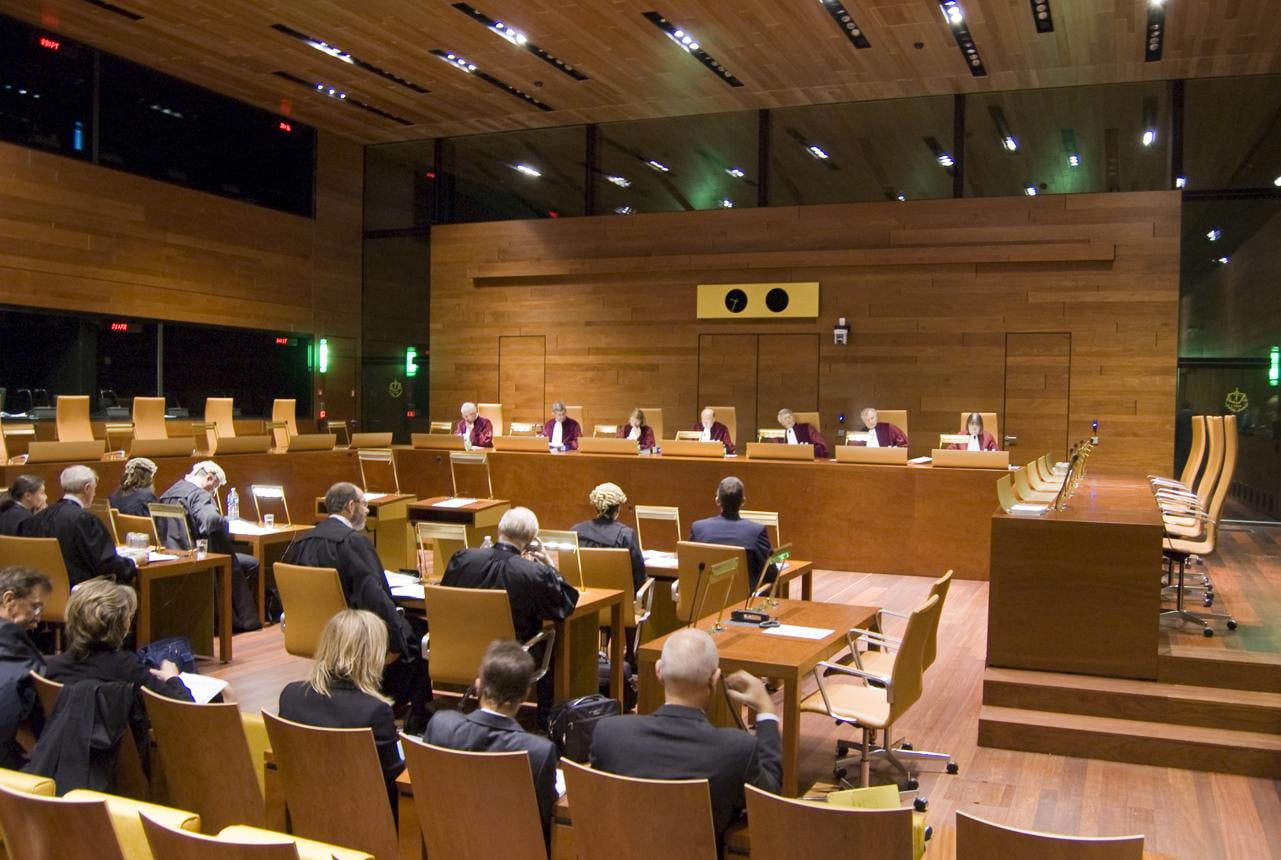
The Grand Chamber of the Court of Justice handed down the judgment on 16 July in a set of joined cases brought by Portuguese firms against the country’s competition authority. The companies argued that officials had trawled their inboxes during a dawn raid and that the intrusion breached their privacy and their rights of defence.

The judges disagreed on the headline question. They held that EU law does not force a national regulator to obtain prior court approval before copying business correspondence stored on company systems. What matters, the court said, is that the firm can later ask a judge to review whether the raid stayed within legal limits.

The ruling does draw one firm line. When inspectors want to reach into devices that belong to individual employees rather than the company, they must secure judicial authorisation in advance. The court treated personal phones and laptops as a more sensitive zone, where the balance tips back toward the individual.

Competition lawyers across the bloc devoured the decision within hours. Several noted that it hands national enforcers a strong tool while leaving the safeguards to patchy domestic rules, a combination that could produce very different protections depending on where a raid happens. One early analysis called the outcome a clear win for antitrust authorities.

Business groups warned that the judgment lowers the bar for intrusive searches at a moment when regulators are raiding companies more often, from grocery chains to tech platforms. They fear that officials will now sweep up entire mailboxes first and sort the relevance later, dragging in private messages and legally privileged advice.

Enforcers see it differently. They argue that requiring a judge’s signature before every seizure would tip off targets and let them shred the evidence, defeating the whole point of an unannounced inspection. The court appears to have accepted that logic, so long as courts can still scrutinise the raid once the dust settles.

The practical effect lands on national parliaments. Countries whose laws offer thin after-the-fact review may need to strengthen them to keep their raids lawful, since the judgment leans heavily on the promise of meaningful judicial control at the back end.

For companies, the message is blunt. A knock at the door now gives inspectors quick reach into the corporate email server, and the fight over what they may keep will play out in a courtroom weeks or months after the files have already been copied.