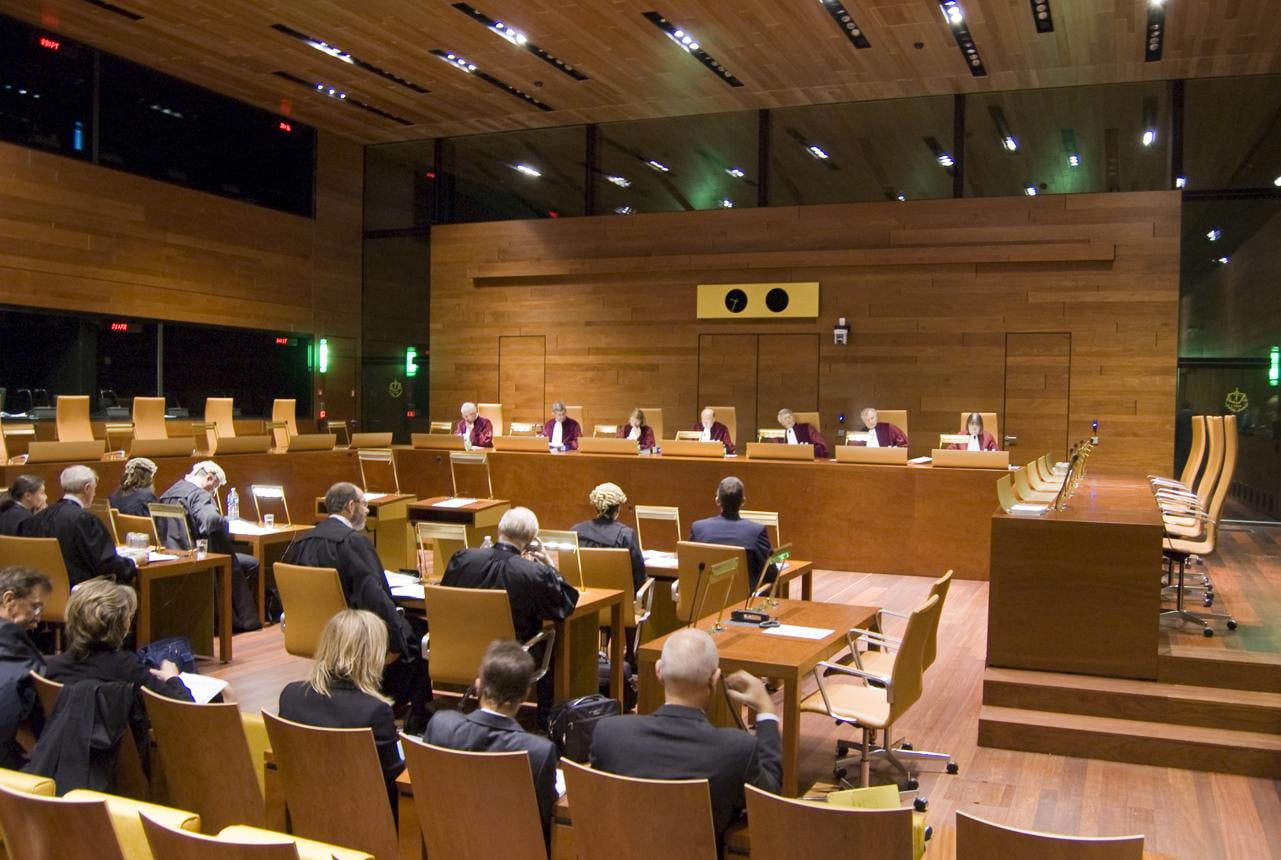
Graz: Europe’s top court has decided that streaming services count as a service rather than mere digital content, a distinction that hands subscribers stronger cancellation and refund rights across the bloc.
The Court of Justice reached the conclusion in a case that began in Austria, where a customer challenged the terms attached to an online video offering. The referring judges asked how to classify such a product under the EU’s Consumer Rights Directive, the rulebook that governs what companies must tell shoppers and how easily people can back out of a deal.
The court drew a careful line. A streaming platform, it held, is dynamic: the catalogue shifts, titles come and go, and the provider keeps shaping the experience over time. That constant change makes it a service, not a fixed lump of digital content handed over once and left alone.
The label matters more than it sounds. Products treated as services carry a fuller set of consumer protections, including clearer rules on withdrawal periods and on how a customer can walk away when terms change. By slotting streaming into that category, the judges strengthened the hand of anyone who subscribes to watch films or shows online.
Consumer groups cheered the outcome. They have long complained that streaming firms bury cancellation buttons, renew subscriptions automatically and lean on fine print that ordinary viewers never read. A ruling that anchors these products in the stronger part of EU law gives regulators firmer ground to police those practices.
Platforms will study the judgment for its practical bite. Many already let customers cancel with a few clicks, but the decision pressures the whole sector to align its terms with the tougher standard, and it exposes laggards to complaints from national enforcement bodies. The court publishes its rulings through the Court of Justice press service.
Industry voices warned against reading too much into a single case. They argue that most reputable services already meet high standards and that the ruling mainly clarifies a grey area rather than upending established business models. The real burden, they say, falls on smaller operators who never built robust cancellation flows.
The decision also lands amid a broader European push to tame subscription traps. Lawmakers have floated rules to make cancelling as easy as signing up, and consumer advocates will now cite this judgment as evidence that the courts already lean their way. The direction of travel, they argue, is unmistakable.
For the millions of Europeans who pay monthly for a screen full of entertainment, the takeaway is simple. When a service changes its terms or a viewer wants out, the law now treats that relationship as a service with real protections attached, not a one-off sale that leaves the customer stranded.