Brussels: The European Health Data Space is shifting from statute to working system, as the Commission builds out the health data rulebook that entered into force on 26 March 2025 and adopted its first implementing act in April 2026 to set up the EHDS Board. Officials expect the first operational elements of the health data framework to come online in the autumn of 2026, the opening move in a rollout that runs for a decade.
The regulation aims to give patients real control over their records and let clinicians read them across borders. A traveller who falls ill in another member state should, in time, have their patient summary and prescriptions available to a local doctor, drawn from a shared European infrastructure rather than a fax machine.
The Commission frames the project as a rebalancing of power over medical information toward the citizen.
The European Health Data Space puts people in control of their own health data while unlocking its value for care, research and innovation across the Union.
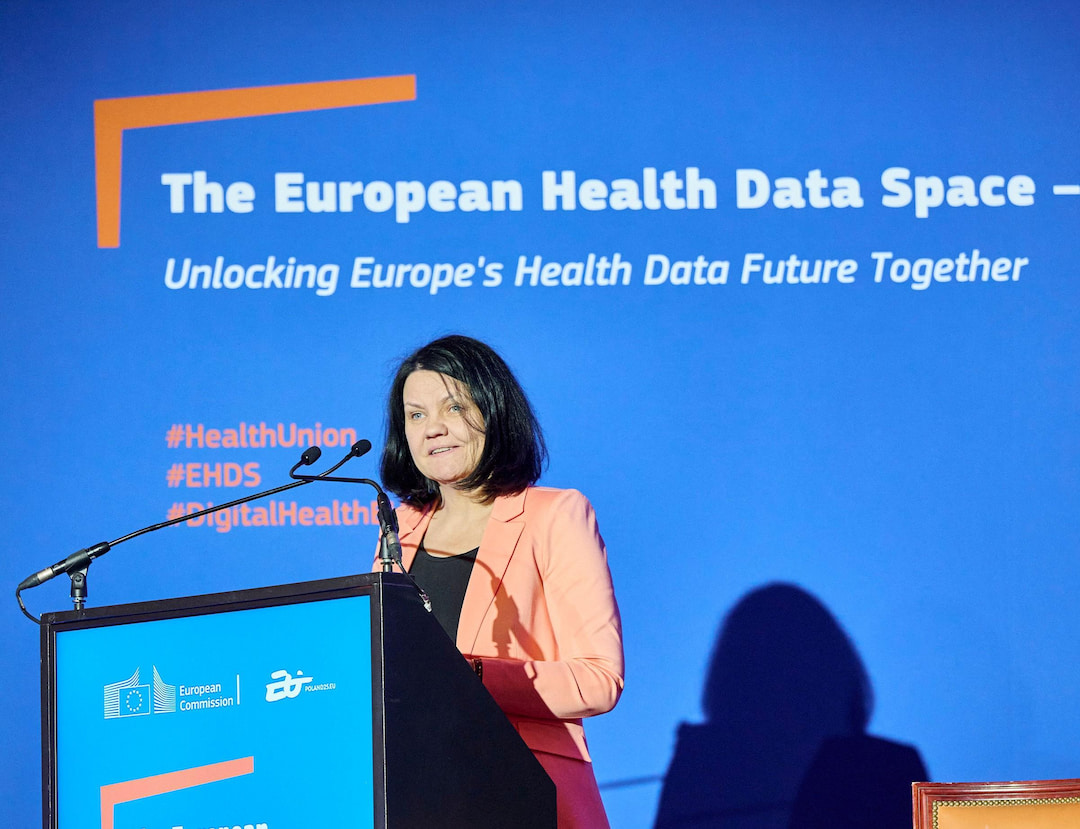
Commissioner Olivér Várhelyi led an implementation dialogue in Brussels on 10 June 2026, gathering industry, researchers, healthcare providers and patient groups to map the next steps. Member states have already been told to name a National Digital Health Authority to police the new rights and connect national systems to the cross-border network.
The timeline stretches well beyond this year:
- First operational elements and governance structures take shape through late 2026.
- Primary-use rights, including patient summaries and ePrescriptions, apply across member states from March 2029.
- The full framework, covering the remaining data categories and secondary use for research, follows by 2031.
Beyond direct care, the health data space opens tightly controlled access to anonymised or pseudonymised datasets for scientists, regulators and public bodies, a channel known as secondary use. Backers argue it could speed drug development and sharpen public-health responses by pooling records that today sit locked in national silos.
The Commission sets out the citizen-facing promises in its frequently asked questions on the regulation, which spell out the right to access, download and share personal records.
The initiative builds on the EU’s data protection tradition, and its architects insist it complements rather than dilutes the General Data Protection Regulation. Patients will keep the right to object to certain uses of their information, and access requests will pass through national health data access bodies bound by strict security rules.
Critics warn that a fragmented Union may struggle to deliver, pointing to wide gaps in digital maturity between member states with mature electronic records and those still digitising basic files. The Commission counters that a common health data standard is exactly what will close that gap, and it details the wider architecture in its overview of the EHDS Regulation. For patients, the practical payoff still lies years away, but the scaffolding that will carry Europe’s health data is going up now.