Brussels: The European Union’s new digital border system reached full operation on 10 April 2026, ending the era of the passport stamp for non-EU travellers making short stays in the Schengen area. The Entry/Exit System now records each arrival and departure electronically across 29 European countries.
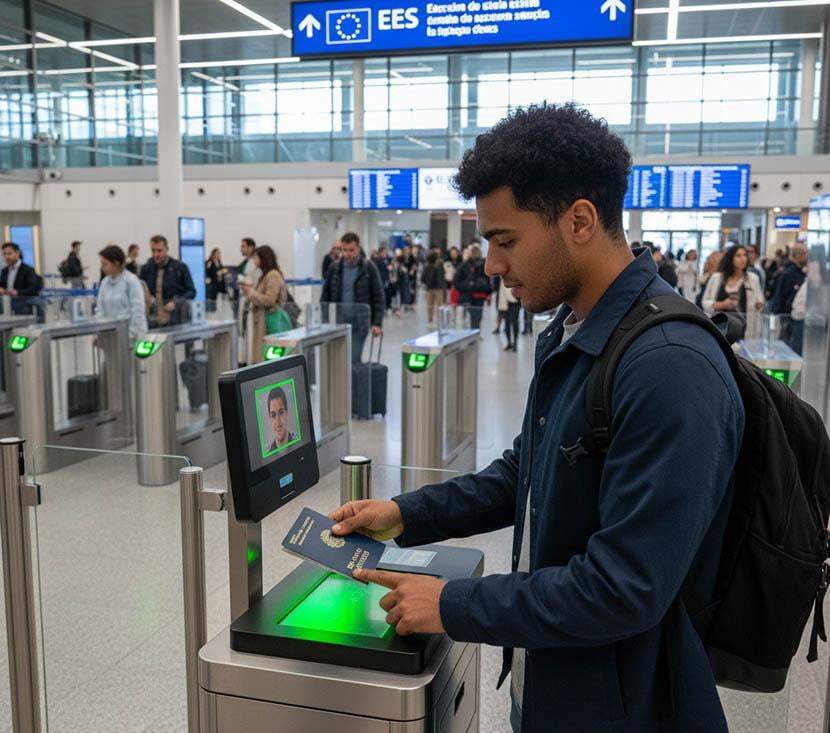
The border system replaces the ink stamp with a digital file. When a non-EU national crosses an external Schengen frontier, officers capture the traveller’s facial image, fingerprints and passport data, then log the entry and exit automatically against the 90-days-in-180 short-stay rule.
The scale is already large. The EU agency eu-LISA, which runs the underlying IT, reports that tens of millions of border crossings have passed through the system since it began progressive operations on 12 October 2025, alongside tens of thousands of refusals of entry and identity-fraud cases that a manual stamp would never have caught.
The Commission argues the shift makes borders both smarter and safer, replacing a patchy paper trail with a shared record that flags overstayers and document fraud in real time. It set out the milestone when it confirmed the system was fully operational.
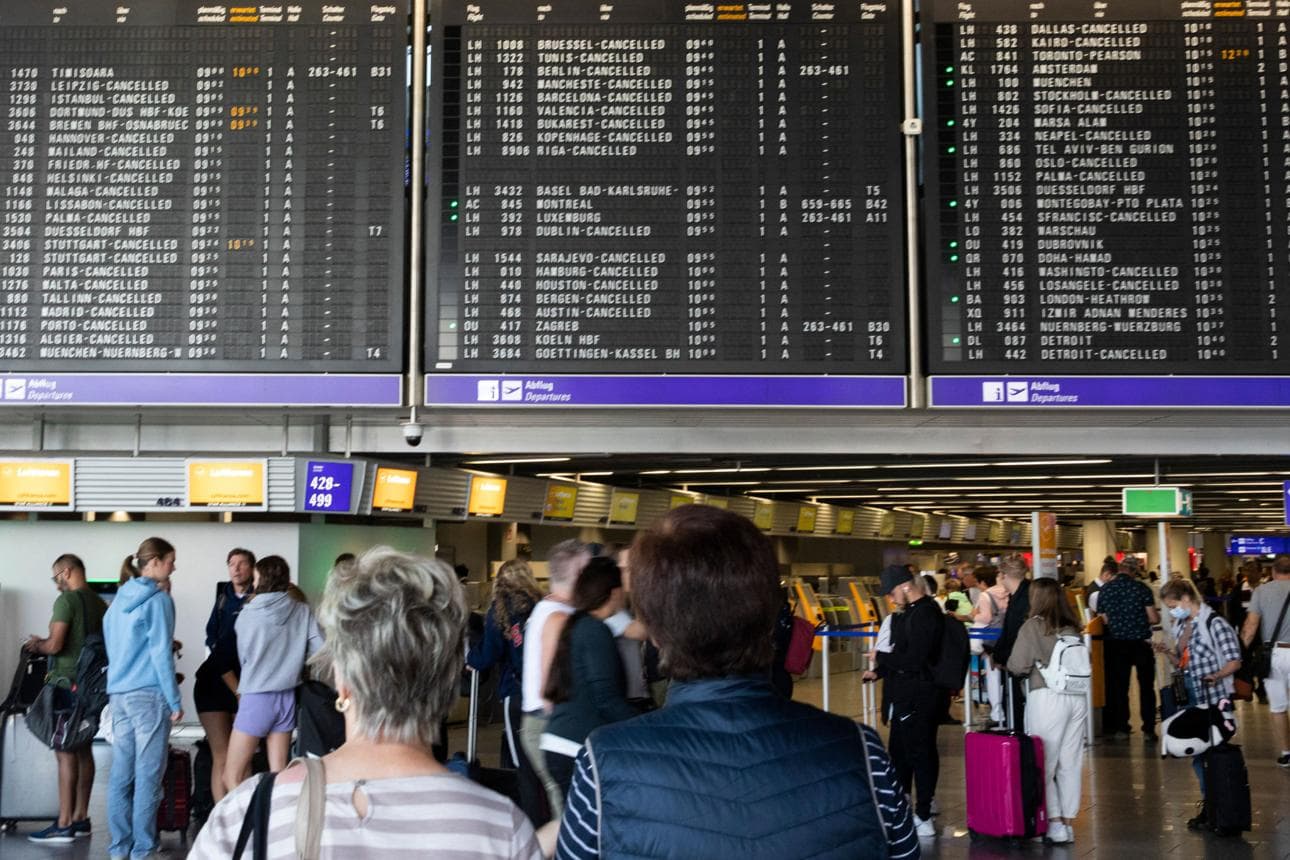
The rollout has not been smooth. Queues at some airports and land crossings stretched to several hours at peak periods over the winter and spring, as first-time registrations took longer than a quick stamp ever did, and a handful of member states briefly paused checks at their busiest terminals.
Brussels built in a safety valve for exactly this. Member states may partially suspend the system for up to 90 days after deployment, with a possible 60-day extension, to keep passengers moving during surges such as the summer travel season.
eu-LISA has stressed that the technology is now deployed across the whole Union and that registration times fall sharply once a traveller’s biometrics are on file, since later crossings reuse the stored record. The agency detailed the completion in its note on the full deployment.
The border system is only half of the EU’s plan. A companion travel authorisation, ETIAS, will require visa-exempt visitors to register online before they travel, mirroring schemes already run by the United States and the United Kingdom and completing the bloc’s move to advance screening.
For travellers, the practical advice is unchanged but worth repeating. First-time visitors should expect to give fingerprints and a photo, allow extra time at the frontier during peak weeks, and treat the digital record, not a stamp, as the proof of when their permitted stay began.