August 11, 2026
LATEST
Brussels Braces for a Bruising Fight Over Its New Space Act RulesEurope Pushes Households To Turn Savings Into Investment PowerCohesion Funds Pivot Toward Defence and Housing in Big RewireGas Customers Win Free Choice of Supplier Under New EU RulesEuro Inflation Hits 2.9% and Revives the Case for Rate RisesNearly 600 Million in EU Funds Flagged for Recovery by OLAFDigital VAT Overhaul Enters Its Operational Phase Across EuropeEurope’s Migration Pact Starts to Bite as Solidarity Rules ApplyData Flows Now Bind New Zealand Closer to EuropeBeijing’s Magnet Curbs Put Europe’s Factories on NoticeEurope Struggles to Make Its North Korea Sanctions BiteA Green Shipping Corridor Links Korea and EuropeEurope Retires Its China EV Tariffs for a Fragile Price FloorWhy Tokyo Has Become Europe’s Closest Security Partner in AsiaAir Passenger Rights Get Their First Overhaul in Two DecadesDeforestation Regulation Nears Its December Compliance DeadlineHealth Data Space Enters Its First Operational PhaseBroken Appliances Now Come With a Right to Be FixedScorched Fields Leave Europe Counting Its Harvest LossesEurope Courts Central Asia to Break Its Reliance on Russian TransitBrussels Braces for a Bruising Fight Over Its New Space Act RulesEurope Pushes Households To Turn Savings Into Investment PowerCohesion Funds Pivot Toward Defence and Housing in Big RewireGas Customers Win Free Choice of Supplier Under New EU RulesEuro Inflation Hits 2.9% and Revives the Case for Rate RisesNearly 600 Million in EU Funds Flagged for Recovery by OLAFDigital VAT Overhaul Enters Its Operational Phase Across EuropeEurope’s Migration Pact Starts to Bite as Solidarity Rules ApplyData Flows Now Bind New Zealand Closer to EuropeBeijing’s Magnet Curbs Put Europe’s Factories on NoticeEurope Struggles to Make Its North Korea Sanctions BiteA Green Shipping Corridor Links Korea and EuropeEurope Retires Its China EV Tariffs for a Fragile Price FloorWhy Tokyo Has Become Europe’s Closest Security Partner in AsiaAir Passenger Rights Get Their First Overhaul in Two DecadesDeforestation Regulation Nears Its December Compliance DeadlineHealth Data Space Enters Its First Operational PhaseBroken Appliances Now Come With a Right to Be FixedScorched Fields Leave Europe Counting Its Harvest LossesEurope Courts Central Asia to Break Its Reliance on Russian Transit
August 11, 2026
LATEST
Brussels Braces for a Bruising Fight Over Its New Space Act RulesEurope Pushes Households To Turn Savings Into Investment PowerCohesion Funds Pivot Toward Defence and Housing in Big RewireGas Customers Win Free Choice of Supplier Under New EU RulesEuro Inflation Hits 2.9% and Revives the Case for Rate RisesNearly 600 Million in EU Funds Flagged for Recovery by OLAFDigital VAT Overhaul Enters Its Operational Phase Across EuropeEurope’s Migration Pact Starts to Bite as Solidarity Rules ApplyData Flows Now Bind New Zealand Closer to EuropeBeijing’s Magnet Curbs Put Europe’s Factories on NoticeEurope Struggles to Make Its North Korea Sanctions BiteA Green Shipping Corridor Links Korea and EuropeEurope Retires Its China EV Tariffs for a Fragile Price FloorWhy Tokyo Has Become Europe’s Closest Security Partner in AsiaAir Passenger Rights Get Their First Overhaul in Two DecadesDeforestation Regulation Nears Its December Compliance DeadlineHealth Data Space Enters Its First Operational PhaseBroken Appliances Now Come With a Right to Be FixedScorched Fields Leave Europe Counting Its Harvest LossesEurope Courts Central Asia to Break Its Reliance on Russian TransitBrussels Braces for a Bruising Fight Over Its New Space Act RulesEurope Pushes Households To Turn Savings Into Investment PowerCohesion Funds Pivot Toward Defence and Housing in Big RewireGas Customers Win Free Choice of Supplier Under New EU RulesEuro Inflation Hits 2.9% and Revives the Case for Rate RisesNearly 600 Million in EU Funds Flagged for Recovery by OLAFDigital VAT Overhaul Enters Its Operational Phase Across EuropeEurope’s Migration Pact Starts to Bite as Solidarity Rules ApplyData Flows Now Bind New Zealand Closer to EuropeBeijing’s Magnet Curbs Put Europe’s Factories on NoticeEurope Struggles to Make Its North Korea Sanctions BiteA Green Shipping Corridor Links Korea and EuropeEurope Retires Its China EV Tariffs for a Fragile Price FloorWhy Tokyo Has Become Europe’s Closest Security Partner in AsiaAir Passenger Rights Get Their First Overhaul in Two DecadesDeforestation Regulation Nears Its December Compliance DeadlineHealth Data Space Enters Its First Operational PhaseBroken Appliances Now Come With a Right to Be FixedScorched Fields Leave Europe Counting Its Harvest LossesEurope Courts Central Asia to Break Its Reliance on Russian Transit

Europe Pushes Households To Turn Savings Into Investment Power

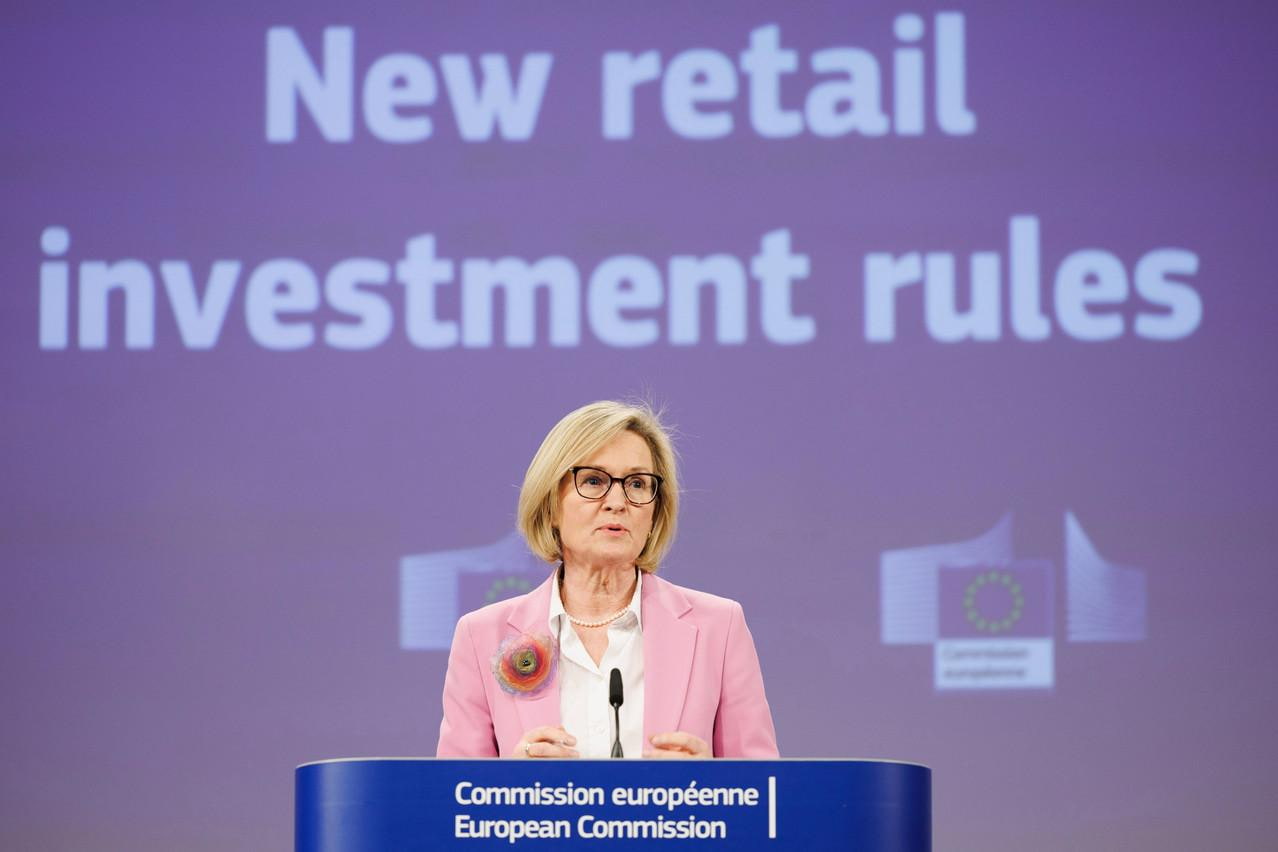
Brussels: The investment union gained fresh momentum this summer as the European Commission pressed member states to channel Europe’s vast household savings into productive capital rather than idle bank deposits. The savings and investments union, the Commission’s flagship investment union project, aims to close the gap with the United States, where retail investors back markets far more heavily than in Europe.

Europeans hold trillions in low-yielding deposits while their companies struggle to raise growth finance at home. The Commission’s answer, first set out in a March 2025 strategy, is to widen retail participation in capital markets, strengthen supplementary pensions, and deepen venture and growth funding so scale-ups no longer drift to New York for capital.

The economic logic is stark. European savers park a far larger share of their wealth in cash than their American peers, forgoing returns while starving domestic firms of equity. Draghi’s competitiveness report last year warned that without deeper capital markets, Europe would keep exporting savings and importing the innovation those savings could have financed at home.

In June 2026 the Commission adopted its European semester spring package, attaching country-specific recommendations that push governments to act on three fronts: drawing more retail and institutional investors into markets, bolstering funded pension schemes, and expanding venture capital and private equity. The Commission’s finance department framed these as the concrete national steps the project now needs.

Institutional money is central to the plan. The Commission adopted a delegated act under Solvency II and issued guidance on how banks treat equity investments, both intended to free insurers and lenders to put more capital into European firms. Officials argue that prudential rules, calibrated after the last financial crisis, now hold back the long-term investment the continent badly needs.

The banking sector faces its own review. The Commission launched a targeted consultation on the competitiveness of EU lenders, with a report due in the third quarter of 2026, alongside a planned revision of the venture capital fund rules and new vehicles such as TechEU to steer money toward technology champions.

Sceptics note that the hardest work lies with national governments, which guard tax and pension policy jealously and have blocked deeper capital-market integration for a decade. Supporters counter that geopolitical pressure and defence spending needs leave little choice. Whether the investment union finally overcomes that resistance will decide if Europe can fund its own future or keep exporting its savings abroad.