The tax omnibus that the European Commission tabled on 24 June 2026 promises to abolish withholding taxes on cross-border dividends, interest and royalties between companies inside the Union. It also promises savings of roughly €7.9 billion in compliance costs. What it cannot promise is a date, because every one of the twenty-seven national governments holds a veto over the file.
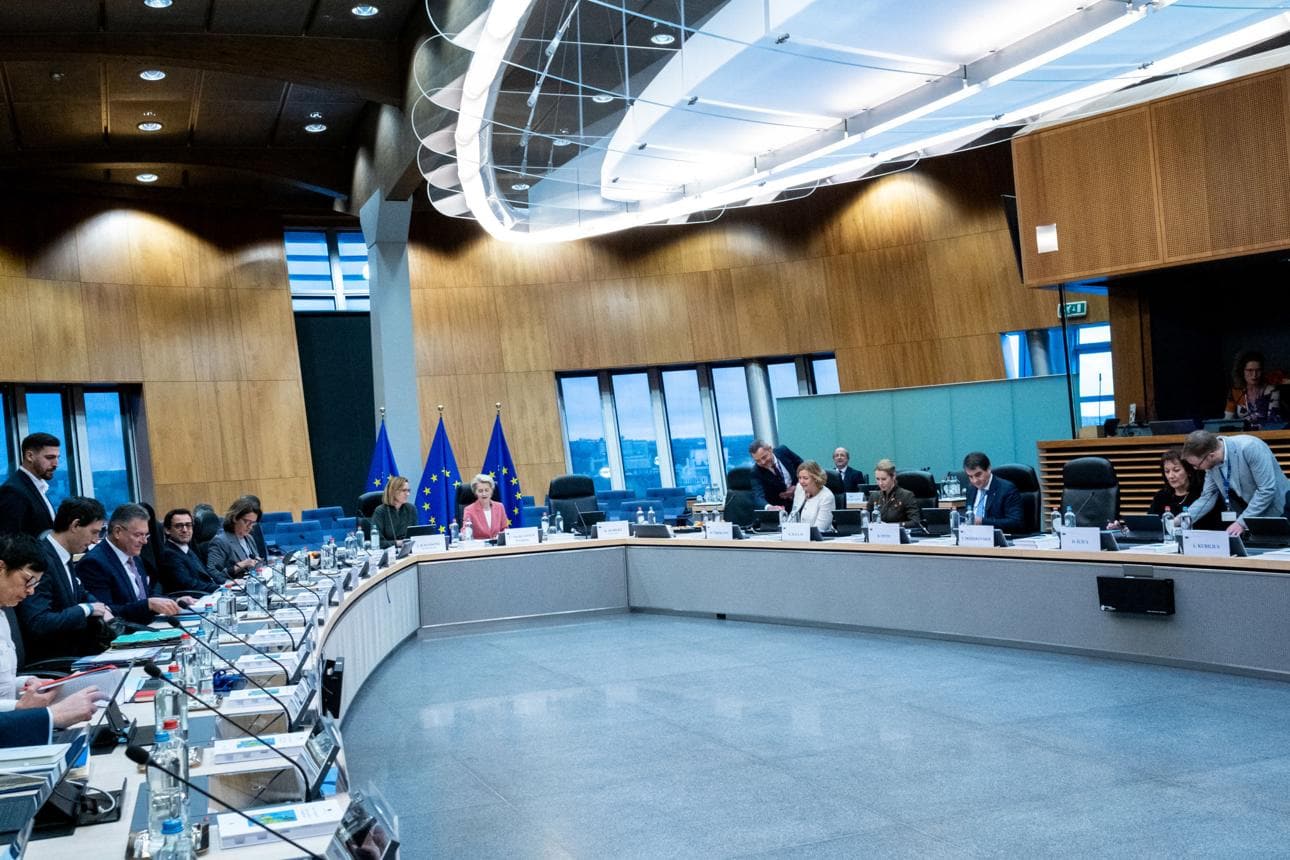
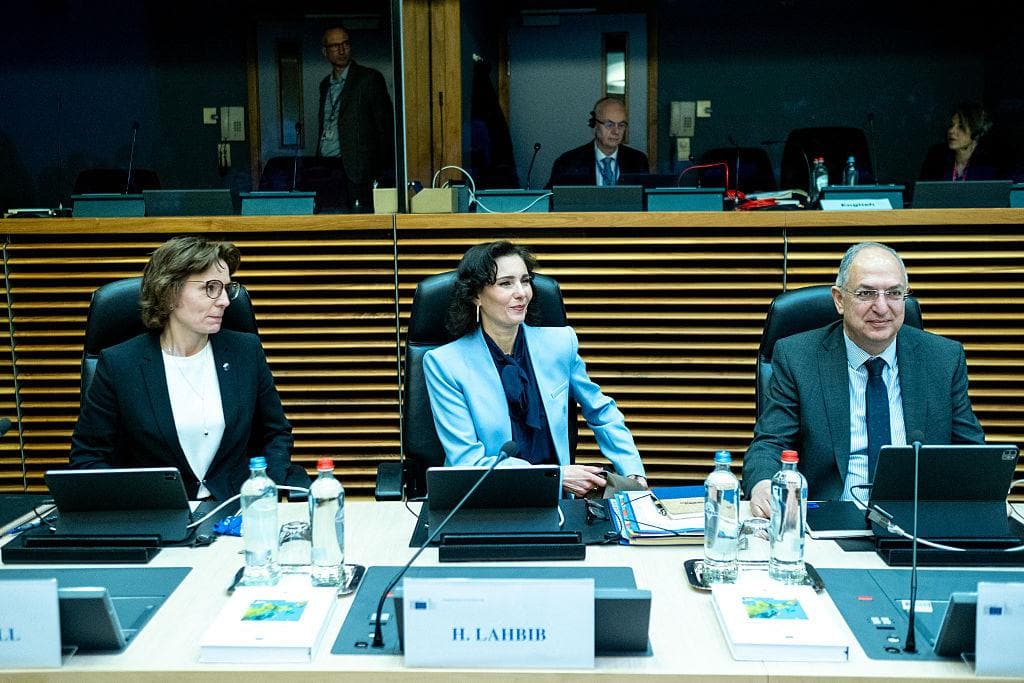
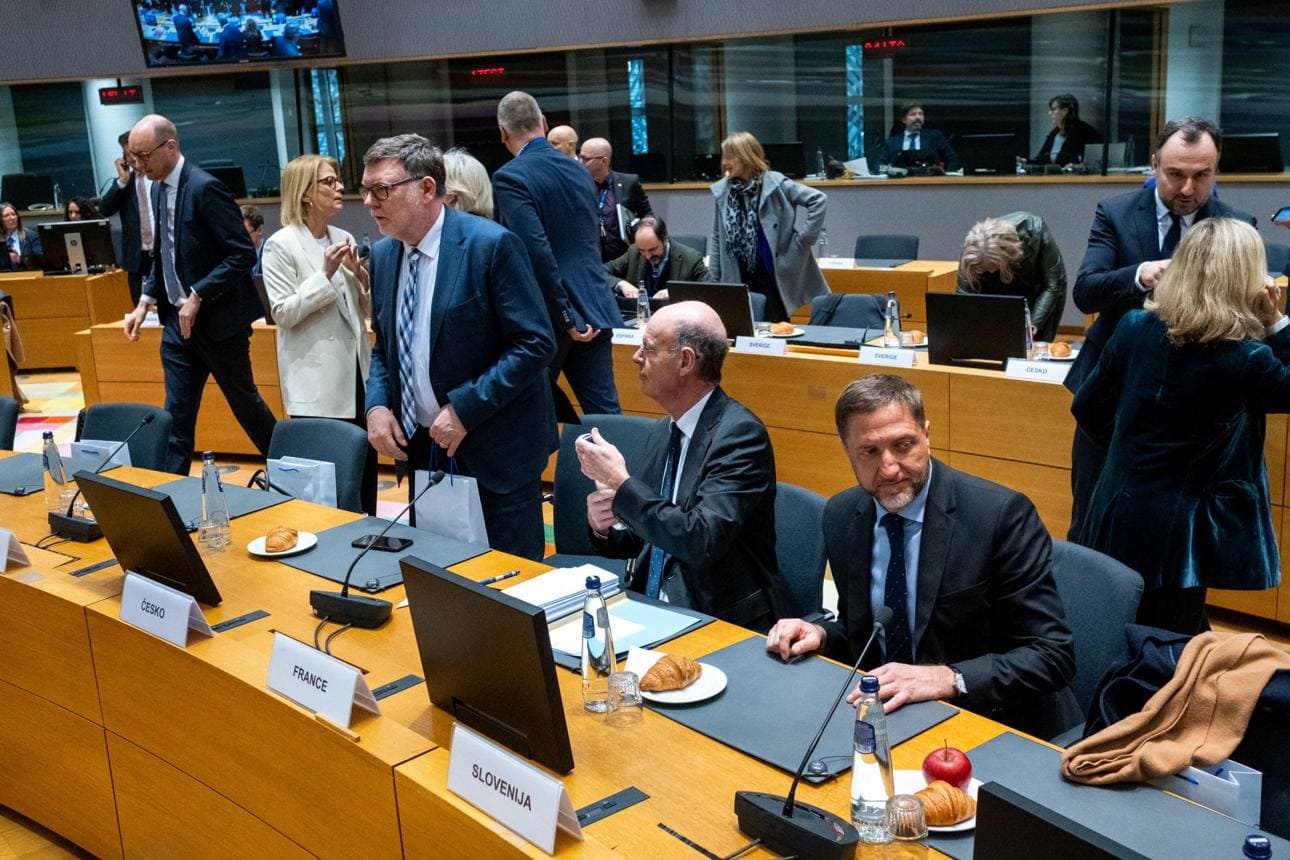
Direct taxation remains the last major policy area where the Council decides by unanimity. The Commission package pairs the omnibus directive with a recast of the Directive on Administrative Cooperation, and both instruments travel the same road: consultation of the European Parliament, then unanimous approval in Council, then transposition. Parliament advises. Capitals decide.
The institutional roadmap agreed in April 2026 sets a target of reaching agreement on the taxation omnibus by the fourth quarter of 2027. The proposal itself envisages application from 1 January 2029, with exceptions. That gives negotiators eighteen months to settle a text that touches national revenue bases, and companies fourteen months after that to rebuild treasury systems designed around reclaim procedures that would disappear.
Withholding tax reclaim is the part practitioners care about most. A company in one member state paying a dividend to a parent in another currently sees tax deducted at source, then spends months or years reclaiming the difference through procedures that vary by jurisdiction and often demand paper certificates. The Parent-Subsidiary and Interest and Royalties Directives already exempt many such flows, but thresholds, holding periods and anti-abuse conditions differ enough that the exemption fails in practice more often than the legislation suggests.
Abolishing the deduction removes the reclaim problem by removing the deduction. It also removes revenue for countries that collect it, which is precisely where unanimity bites. Smaller member states with large inbound investment stocks tend to defend source taxation. Larger economies with outbound investment tend to attack it. That split has blocked direct tax files for two decades, and the omnibus does not alter the arithmetic.
Advisers reading the text point to a second issue. The proposal consolidates existing directives rather than rewriting them from scratch, which limits disruption but also preserves definitional inconsistencies that businesses have complained about for years. Simplification measured in euros saved does not always mean simplification measured in pages read.
The Commission has learned something from the failure of earlier ambitions. It withdrew the financial transaction tax proposal, alive on the agenda since 2011, in its 2026 work programme. It has framed the omnibus as burden reduction rather than harmonisation, a framing designed to make refusal politically awkward for finance ministers who have spent two years demanding competitiveness measures.
Framing only carries a file so far. ECOFIN conclusions from March 2025 endorsed a decluttering agenda in general terms, and general endorsement of simplification has never translated automatically into unanimous support for a specific directive that costs a specific treasury money. The Council working party on direct taxation met repeatedly through summer 2026 without producing a compromise text.
Businesses planning for 2029 face a familiar dilemma. Building systems around a directive that may never pass wastes money. Waiting until adoption leaves too little time to comply. Most large groups will hedge, running parallel assumptions until the Council either reaches agreement or lets the file drift into the next Commission mandate the way the common consolidated corporate tax base drifted before it.
The realistic test arrives at the autumn ECOFIN meetings, when the presidency will discover whether any delegation has moved. If the withholding tax chapter can be split from the administrative cooperation recast, the easier half might advance alone. If it cannot, the tax omnibus becomes another entry on a long list of EU tax proposals that commanded broad sympathy and never commanded twenty-seven votes.