Negotiators return from the summer break with the long-term budget for 2028 to 2034 still short of a Council position, and roughly four months left to fix that. Parliament wants a deal closed by the end of 2026 so that spending programmes can start on 1 January 2028. Member States have not yet agreed among themselves what they are negotiating for.
The gap is not primarily about money, though the numbers differ. The Commission proposed a framework worth close to two trillion euro, averaging 1.26 percent of Union gross national income across the period. Parliament, in an interim report adopted on 28 April by 370 votes to 201 with 84 abstentions, asked for 1.27 percent, or 1,789 billion euro in 2025 prices, plus a further 0.11 percent above the ceilings to repay NextGenerationEU debt.
Those two percentages sit within rounding distance of each other. The real fight concerns architecture. The Commission wants to fold cohesion money and farm payments into single national plans, released against milestones, on the model that governed the recovery fund. Regions and Parliament read that as centralisation, and a group of member states calling themselves the Friends of Cohesion has published a joint declaration defending regional envelopes.
The Cypriot Presidency put a second negotiating box on the table on 11 June, this time carrying figures for headings and programmes rather than structure alone. Presidencies use that device to force capitals into arithmetic, and it usually marks the point where positions harden into trade-offs. It did not produce a common position before the recess.
Timing explains why the delay carries a cost. A framework agreed in late 2027 leaves managing authorities weeks to write operational programmes, and the last cycle showed what that produces: cohesion money that took years to move and, in some regions, still has not. Programme managers running Erasmus, Horizon and structural funds cannot commit past 2027 while the ceilings remain hypothetical, so the uncertainty travels down to universities, research consortia and regional agencies long before the framework itself expires.
There is a defensible case for the Council’s slowness. Net contributors face domestic budgets under strain and defence commitments rising, and no finance ministry wants to sign a seven-year ceiling before it knows what NextGenerationEU repayments will cost from 2028. Repayment alone absorbs a sum Parliament puts at 149.3 billion euro. Governments that concede early lose leverage over every heading that follows.
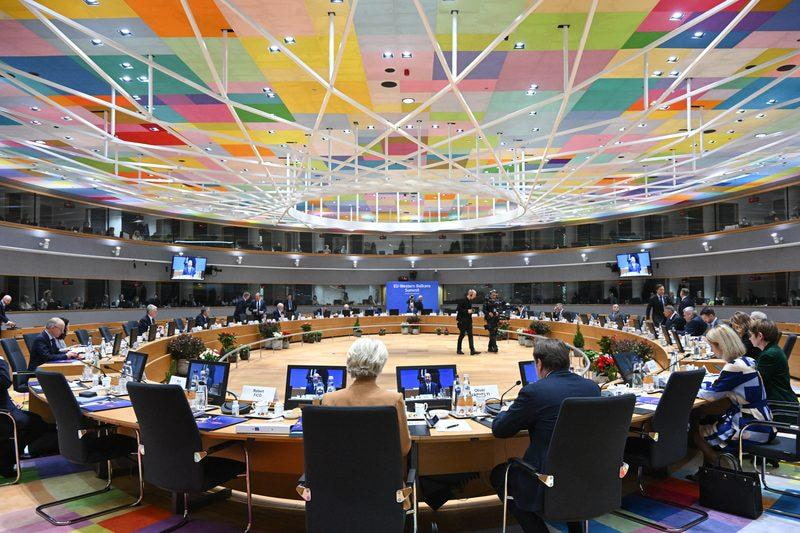
What breaks the deadlock, if anything does, is the European Council. Unanimity applies, Parliament must consent, and neither institution has shown appetite for a repeat of the 2020 marathon that ran four days and produced a package nobody defended enthusiastically. Officials expect leaders to take the file at their autumn meetings, which leaves roughly two working sessions before the self-imposed deadline.
Watch the negotiating box rather than the summit communiques. When the Presidency starts circulating a version with brackets removed from cohesion and agriculture, the structural argument has been settled and the remaining dispute is arithmetic. Until then, every figure quoted in public remains a bargaining position, and the January 2028 start date stays a target rather than a plan.