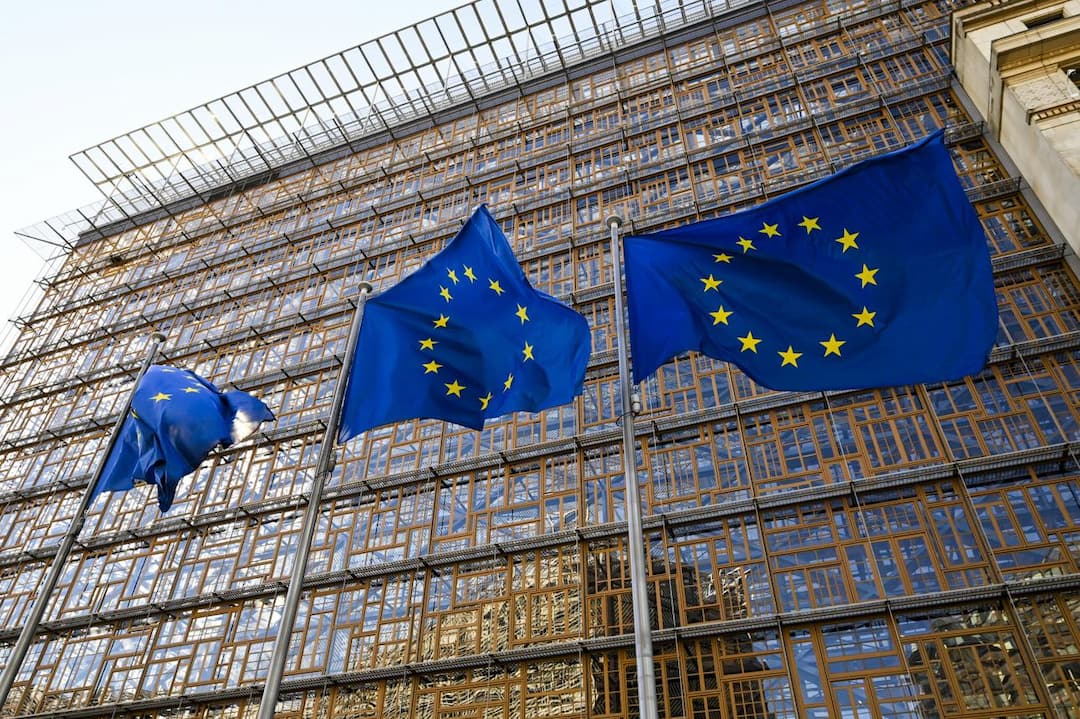
Two furniture retailers have walked into a corner of EU merger law that most companies never test. The European Commission wants to know whether they started running as one business before anyone in Brussels cleared them to do so.
Investigators opened formal proceedings on 10 July into whether XXXLutz and Porta breached the standstill obligation written into the EU Merger Regulation. The two groups announced the takeover on 7 January 2025. Nineteen months later, no notification sits on the Commission’s desk. XXXLutz says it intends to file this summer and maintains that it complied with the rules throughout. The Commission’s own statement makes no finding either way.
Competition lawyers call the offence gun jumping, and the label flatters it. The prohibition is simple. A deal of Union dimension must be notified, and the parties must keep operating as independent competitors until a decision arrives. The offence therefore has nothing to do with signing a contract. It turns entirely on conduct: who sets prices, who approves purchasing, who sees whose commercially sensitive numbers, who quietly stops competing for the same customer.
That distinction explains why these cases stay rare. Proving that two firms coordinated before clearance requires internal emails, board minutes and supplier evidence, not a public announcement. Enforcers have brought only a handful of such cases in three decades. Each one landed hard. Fines can reach ten percent of aggregated worldwide turnover, the same ceiling that applies to a cartel.
Scale gives this case weight beyond the furniture aisle. XXXLutz already ranks among the largest home furnishing retailers in Europe, and Porta operates a substantial German store network. A combination reshapes buying power over suppliers long before it changes anything a shopper notices. If the parties integrated procurement early, suppliers absorbed the effect of a merger that regulators had not yet examined.
The timing question also matters institutionally. Merger control works only if the standstill holds. Once companies merge in practice, remedies become theatre. Unwinding an integrated purchasing function or a shared logistics network costs more than most authorities can realistically demand, so early implementation converts a review into a formality. Enforcers guard the standstill precisely because it protects everything downstream of it.
A wider pattern sits underneath. Deals in the mid-market rarely attract the scrutiny that platform mergers draw, yet they concentrate national retail sectors year after year. Brussels has spent recent years arguing about how to catch acquisitions that slip below turnover thresholds. This case flips the concern. The transaction plainly meets the thresholds. The parties simply had not filed.
What happens next follows a predictable sequence. The Commission will gather documents, interview executives and reconstruct a timeline of who decided what. XXXLutz will file its notification, and that substantive review will run on a separate track from the procedural investigation. The company can face a fine for early implementation even if regulators eventually approve the deal on the merits. Those two outcomes have never depended on each other.
For every general counsel watching, the practical lesson costs nothing to learn. Announcement day and closing day mark different legal worlds, and the months between them carry obligations that feel commercially absurd to managers under pressure to capture synergies. The rulebook does not care. Until a decision lands, rivals must behave like rivals.