August 29, 2026
LATEST
Late Application Leaves Tokyo Outside the Defence Loan QueueCyber Resilience Rules Give Makers 24 Hours From SeptemberWinter Stocks Test Europe’s New Gas Storage Flexibility RulesInnovation Theory Meets Merger Control in a New Commission StudyMercosur Tariffs Fell in May and the Court Has Not Ruled YetBilaterals III Now Turns on Which Referendum Switzerland PicksDark Patterns Face the EU Digital Fairness ActFifteen Chapters Stand Between Montenegro and 2028Who Blinks First in the FP10 Research Budget FightCustoms Reform Landed in March and Its Data Hub Opens in 2028Victims Rights Gain an EU Helpline and Capitals Have Two YearsIreland Must Move the EU Budget Box Before the October SummitFertiliser Prices Sit 71 Percent Above Their 2024 Average LevelState Aid Exemptions Face a Rewrite With Four Months to SpareIrregular Crossings Fell 37 Percent and Spain Is the ExceptionSpring Growth Went to Ireland and Skipped Belgium EntirelyEurope’s Drought Pushed Four Great Rivers to Record LowsEurope Buys Taiwan Chips While Offering No Investment TreatyKazakhstan’s Minerals Roadmap With Europe Expires This DecemberAffordable Housing Aid Now Skips the Brussels Notification QueueLate Application Leaves Tokyo Outside the Defence Loan QueueCyber Resilience Rules Give Makers 24 Hours From SeptemberWinter Stocks Test Europe’s New Gas Storage Flexibility RulesInnovation Theory Meets Merger Control in a New Commission StudyMercosur Tariffs Fell in May and the Court Has Not Ruled YetBilaterals III Now Turns on Which Referendum Switzerland PicksDark Patterns Face the EU Digital Fairness ActFifteen Chapters Stand Between Montenegro and 2028Who Blinks First in the FP10 Research Budget FightCustoms Reform Landed in March and Its Data Hub Opens in 2028Victims Rights Gain an EU Helpline and Capitals Have Two YearsIreland Must Move the EU Budget Box Before the October SummitFertiliser Prices Sit 71 Percent Above Their 2024 Average LevelState Aid Exemptions Face a Rewrite With Four Months to SpareIrregular Crossings Fell 37 Percent and Spain Is the ExceptionSpring Growth Went to Ireland and Skipped Belgium EntirelyEurope’s Drought Pushed Four Great Rivers to Record LowsEurope Buys Taiwan Chips While Offering No Investment TreatyKazakhstan’s Minerals Roadmap With Europe Expires This DecemberAffordable Housing Aid Now Skips the Brussels Notification Queue
August 29, 2026
LATEST
Late Application Leaves Tokyo Outside the Defence Loan QueueCyber Resilience Rules Give Makers 24 Hours From SeptemberWinter Stocks Test Europe’s New Gas Storage Flexibility RulesInnovation Theory Meets Merger Control in a New Commission StudyMercosur Tariffs Fell in May and the Court Has Not Ruled YetBilaterals III Now Turns on Which Referendum Switzerland PicksDark Patterns Face the EU Digital Fairness ActFifteen Chapters Stand Between Montenegro and 2028Who Blinks First in the FP10 Research Budget FightCustoms Reform Landed in March and Its Data Hub Opens in 2028Victims Rights Gain an EU Helpline and Capitals Have Two YearsIreland Must Move the EU Budget Box Before the October SummitFertiliser Prices Sit 71 Percent Above Their 2024 Average LevelState Aid Exemptions Face a Rewrite With Four Months to SpareIrregular Crossings Fell 37 Percent and Spain Is the ExceptionSpring Growth Went to Ireland and Skipped Belgium EntirelyEurope’s Drought Pushed Four Great Rivers to Record LowsEurope Buys Taiwan Chips While Offering No Investment TreatyKazakhstan’s Minerals Roadmap With Europe Expires This DecemberAffordable Housing Aid Now Skips the Brussels Notification QueueLate Application Leaves Tokyo Outside the Defence Loan QueueCyber Resilience Rules Give Makers 24 Hours From SeptemberWinter Stocks Test Europe’s New Gas Storage Flexibility RulesInnovation Theory Meets Merger Control in a New Commission StudyMercosur Tariffs Fell in May and the Court Has Not Ruled YetBilaterals III Now Turns on Which Referendum Switzerland PicksDark Patterns Face the EU Digital Fairness ActFifteen Chapters Stand Between Montenegro and 2028Who Blinks First in the FP10 Research Budget FightCustoms Reform Landed in March and Its Data Hub Opens in 2028Victims Rights Gain an EU Helpline and Capitals Have Two YearsIreland Must Move the EU Budget Box Before the October SummitFertiliser Prices Sit 71 Percent Above Their 2024 Average LevelState Aid Exemptions Face a Rewrite With Four Months to SpareIrregular Crossings Fell 37 Percent and Spain Is the ExceptionSpring Growth Went to Ireland and Skipped Belgium EntirelyEurope’s Drought Pushed Four Great Rivers to Record LowsEurope Buys Taiwan Chips While Offering No Investment TreatyKazakhstan’s Minerals Roadmap With Europe Expires This DecemberAffordable Housing Aid Now Skips the Brussels Notification Queue

Cohesion Reprogramming Moved Billions Into Defence and Housing

A fund built to close gaps between rich and poor regions now pays for barracks, ammunition plants and social housing. That shift did not arrive through a new programme. It arrived through cohesion reprogramming, the quiet administrative process that let capitals rewrite what their existing money buys.

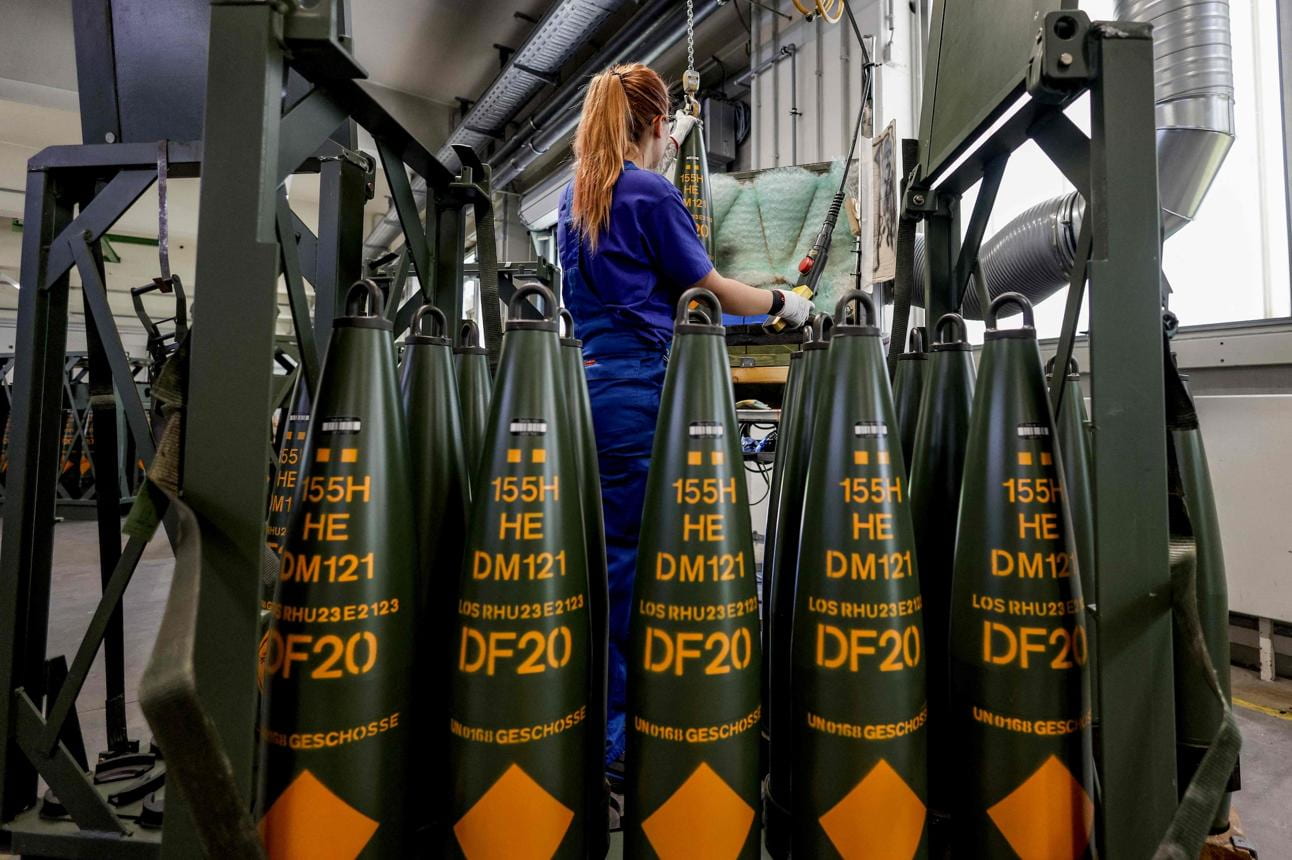
The numbers explain the scale. Member states amended 186 national and regional programmes and redirected roughly 34.6 billion euro towards priorities the original plans never mentioned. Around 12 billion of that went to defence. The rest spread across affordable housing, water resilience, decarbonisation, competitiveness and support for regions along the Union’s eastern border.

The Commission opened the door in April 2025 with two proposals amending the regulations governing the European Regional Development Fund, the Cohesion Fund, the Just Transition Fund and the European Social Fund Plus. Negotiators struck a deal that July and the Council adopted the laws in September 2025. The vehicle was the mid-term review, which decides how the flexibility reserve, worth half of all allocations for 2026 and 2027, gets spent.

Two incentives did the persuading. Money moved into defence or affordable housing attracts a full hundred percent European co-financing rate, so national treasuries contribute nothing. It also carries thirty percent pre-financing during 2026, meaning cash arrives before a single contract completes. Set that against a standard cohesion project, where a region finds its own share and waits years for reimbursement, and the choice becomes almost automatic.

Regional governments noticed what the incentives imply. A managing authority in eastern Poland or southern Italy compares a road scheme requiring twenty percent local funding against a defence-adjacent project requiring none. The arithmetic answers itself, regardless of which option addresses local need more directly.

Critics call the result an emergency toolbox. The Greens in the European Parliament warned during the negotiations that converting a long-term convergence instrument into a crisis fund erodes the guarantee that poorer regions receive predictable support. Their objection is structural rather than budgetary. Cohesion money works because a region can plan seven years ahead. Reopen the plan mid-cycle and that certainty weakens.

Defenders answer that rigidity was the greater failure. Programmes drafted in 2021 assumed no full-scale war on the eastern flank, no energy price shock and no housing emergency in half the Union’s capitals. Spending on assumptions that reality has overtaken would have been the more expensive mistake.

Both arguments survive contact with the evidence, which is why the outcome matters more than the debate. The real test is whether the redirected billions reach anything. Defence industrial projects need permits, skilled workers and supply chains that Europe is still rebuilding. Housing needs land and planning consent that sit with municipalities rather than Brussels. Pre-financing solves a cash problem, not a delivery one.

There is a longer shadow too. The Commission has proposed folding cohesion funding into single national plans after 2028, with regions negotiating through their capitals rather than directly. Once ministries have shown they can redirect tens of billions in a single administrative round, the argument that regional envelopes need protecting becomes harder to make. The mid-term review may have settled that question before anyone formally asked it.