August 29, 2026
LATEST
Data Rules Agreed With Seoul Now Wait on Parliament’s ConsentChina Listed Fourteen European Firms and November Ends the TruceWhy Australia’s Finished Trade Deal Still Has No Signature DateLate Application Leaves Tokyo Outside the Defence Loan QueueCyber Resilience Rules Give Makers 24 Hours From SeptemberWinter Stocks Test Europe’s New Gas Storage Flexibility RulesInnovation Theory Meets Merger Control in a New Commission StudyMercosur Tariffs Fell in May and the Court Has Not Ruled YetBilaterals III Now Turns on Which Referendum Switzerland PicksDark Patterns Face the EU Digital Fairness ActFifteen Chapters Stand Between Montenegro and 2028Who Blinks First in the FP10 Research Budget FightCustoms Reform Landed in March and Its Data Hub Opens in 2028Victims Rights Gain an EU Helpline and Capitals Have Two YearsIreland Must Move the EU Budget Box Before the October SummitFertiliser Prices Sit 71 Percent Above Their 2024 Average LevelState Aid Exemptions Face a Rewrite With Four Months to SpareIrregular Crossings Fell 37 Percent and Spain Is the ExceptionSpring Growth Went to Ireland and Skipped Belgium EntirelyEurope’s Drought Pushed Four Great Rivers to Record LowsData Rules Agreed With Seoul Now Wait on Parliament’s ConsentChina Listed Fourteen European Firms and November Ends the TruceWhy Australia’s Finished Trade Deal Still Has No Signature DateLate Application Leaves Tokyo Outside the Defence Loan QueueCyber Resilience Rules Give Makers 24 Hours From SeptemberWinter Stocks Test Europe’s New Gas Storage Flexibility RulesInnovation Theory Meets Merger Control in a New Commission StudyMercosur Tariffs Fell in May and the Court Has Not Ruled YetBilaterals III Now Turns on Which Referendum Switzerland PicksDark Patterns Face the EU Digital Fairness ActFifteen Chapters Stand Between Montenegro and 2028Who Blinks First in the FP10 Research Budget FightCustoms Reform Landed in March and Its Data Hub Opens in 2028Victims Rights Gain an EU Helpline and Capitals Have Two YearsIreland Must Move the EU Budget Box Before the October SummitFertiliser Prices Sit 71 Percent Above Their 2024 Average LevelState Aid Exemptions Face a Rewrite With Four Months to SpareIrregular Crossings Fell 37 Percent and Spain Is the ExceptionSpring Growth Went to Ireland and Skipped Belgium EntirelyEurope’s Drought Pushed Four Great Rivers to Record Lows
August 29, 2026
LATEST
Data Rules Agreed With Seoul Now Wait on Parliament’s ConsentChina Listed Fourteen European Firms and November Ends the TruceWhy Australia’s Finished Trade Deal Still Has No Signature DateLate Application Leaves Tokyo Outside the Defence Loan QueueCyber Resilience Rules Give Makers 24 Hours From SeptemberWinter Stocks Test Europe’s New Gas Storage Flexibility RulesInnovation Theory Meets Merger Control in a New Commission StudyMercosur Tariffs Fell in May and the Court Has Not Ruled YetBilaterals III Now Turns on Which Referendum Switzerland PicksDark Patterns Face the EU Digital Fairness ActFifteen Chapters Stand Between Montenegro and 2028Who Blinks First in the FP10 Research Budget FightCustoms Reform Landed in March and Its Data Hub Opens in 2028Victims Rights Gain an EU Helpline and Capitals Have Two YearsIreland Must Move the EU Budget Box Before the October SummitFertiliser Prices Sit 71 Percent Above Their 2024 Average LevelState Aid Exemptions Face a Rewrite With Four Months to SpareIrregular Crossings Fell 37 Percent and Spain Is the ExceptionSpring Growth Went to Ireland and Skipped Belgium EntirelyEurope’s Drought Pushed Four Great Rivers to Record LowsData Rules Agreed With Seoul Now Wait on Parliament’s ConsentChina Listed Fourteen European Firms and November Ends the TruceWhy Australia’s Finished Trade Deal Still Has No Signature DateLate Application Leaves Tokyo Outside the Defence Loan QueueCyber Resilience Rules Give Makers 24 Hours From SeptemberWinter Stocks Test Europe’s New Gas Storage Flexibility RulesInnovation Theory Meets Merger Control in a New Commission StudyMercosur Tariffs Fell in May and the Court Has Not Ruled YetBilaterals III Now Turns on Which Referendum Switzerland PicksDark Patterns Face the EU Digital Fairness ActFifteen Chapters Stand Between Montenegro and 2028Who Blinks First in the FP10 Research Budget FightCustoms Reform Landed in March and Its Data Hub Opens in 2028Victims Rights Gain an EU Helpline and Capitals Have Two YearsIreland Must Move the EU Budget Box Before the October SummitFertiliser Prices Sit 71 Percent Above Their 2024 Average LevelState Aid Exemptions Face a Rewrite With Four Months to SpareIrregular Crossings Fell 37 Percent and Spain Is the ExceptionSpring Growth Went to Ireland and Skipped Belgium EntirelyEurope’s Drought Pushed Four Great Rivers to Record Lows

Ireland Must Move the EU Budget Box Before the October Summit

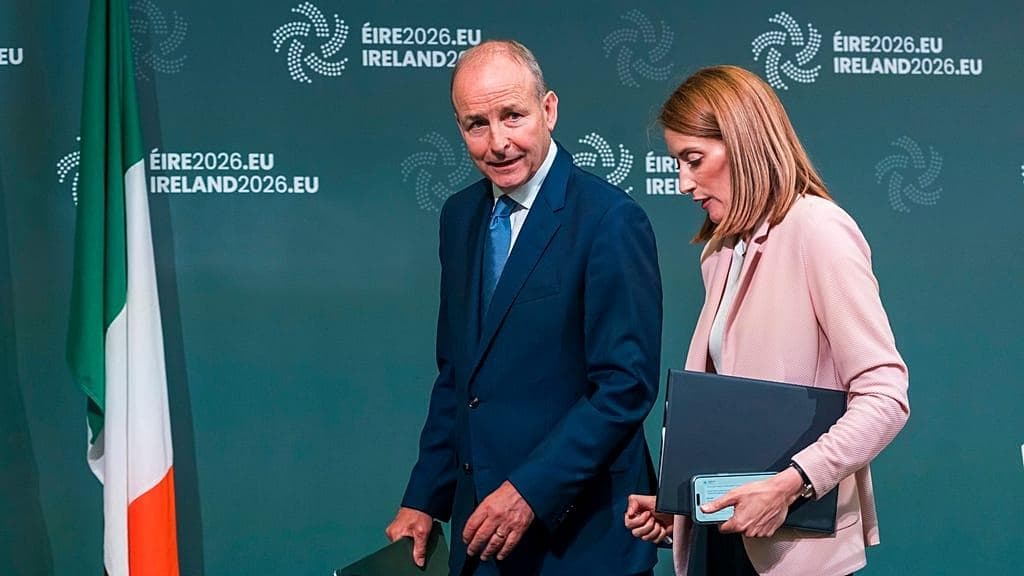
Dublin: Ireland took the Council presidency on 1 July with one dominant file on its desk, and the EU budget for 2028 to 2034 will define whether the term counts as a success. Leaders meeting on 18 and 19 June instructed the presidency to advance the negotiating box in time for the October summit, aiming for political agreement before the year ends.

The Commission’s proposal for the next multiannual financial framework runs to close to two trillion euros, averaging about 1.26 percent of the bloc’s gross national income. That headline figure is the first of three unresolved arguments, and arguably the easiest, because ministers have haggled over totals since the 1980s and know how the endgame works.

The second argument cuts deeper. The Commission wants national and regional programmes folded into single plans per member state, replacing the current patchwork of cohesion and agricultural instruments. Fifteen governments in the Friends of Cohesion group read that as a route to quiet cuts and to central control over money their regions currently manage. Germany, the Netherlands and Austria read the same proposal and still consider the EU budget too large.

New own resources form the third fight. Without fresh revenue streams, repayment of the recovery borrowing eats into programme spending from 2028 onward, and every finance ministry knows it. Proposals touching corporate levies, emissions revenue and tobacco duties each attract a different blocking minority, which is why the negotiating box tends to postpone them until leaders are tired enough to concede.

Parliament has its own leverage and has said plainly it will use it. MEPs must consent to the framework, and they have signalled that a budget without credible own resources and without protection for research and cohesion lines will not clear the chamber. The Council’s partial position on budget monitoring, agreed on 26 June, shows the institutions can settle technical questions quickly when the politics stay small.

Defence complicates the arithmetic in a way earlier frameworks never faced. Capitals want the EU budget to carry more security spending, yet nobody proposes shrinking agriculture or cohesion enough to fund it. The gap gets bridged either by raising the ceiling, which the frugal states refuse, or by squeezing everything else, which the Friends of Cohesion refuse. That is the whole negotiation in two sentences.

An Irish presidency brings a useful profile to the task. Dublin is a net contributor with strong rural constituencies, so it can talk credibly to both camps without either accusing it of self-interest. It also has no obvious veto to defend, which matters when a presidency must draft compromise text rather than lobby for it.

Failure to conclude by December would not stop the Union functioning, but it would push agreement into 2027 and leave managing authorities unable to plan calls for the first year of the period. Regions that spent 2026 rewriting programmes would then wait again. That prospect, more than any argument about percentages, is what gives the October summit its deadline.