August 29, 2026
LATEST
Data Rules Agreed With Seoul Now Wait on Parliament’s ConsentChina Listed Fourteen European Firms and November Ends the TruceWhy Australia’s Finished Trade Deal Still Has No Signature DateLate Application Leaves Tokyo Outside the Defence Loan QueueCyber Resilience Rules Give Makers 24 Hours From SeptemberWinter Stocks Test Europe’s New Gas Storage Flexibility RulesInnovation Theory Meets Merger Control in a New Commission StudyMercosur Tariffs Fell in May and the Court Has Not Ruled YetBilaterals III Now Turns on Which Referendum Switzerland PicksDark Patterns Face the EU Digital Fairness ActFifteen Chapters Stand Between Montenegro and 2028Who Blinks First in the FP10 Research Budget FightCustoms Reform Landed in March and Its Data Hub Opens in 2028Victims Rights Gain an EU Helpline and Capitals Have Two YearsIreland Must Move the EU Budget Box Before the October SummitFertiliser Prices Sit 71 Percent Above Their 2024 Average LevelState Aid Exemptions Face a Rewrite With Four Months to SpareIrregular Crossings Fell 37 Percent and Spain Is the ExceptionSpring Growth Went to Ireland and Skipped Belgium EntirelyEurope’s Drought Pushed Four Great Rivers to Record LowsData Rules Agreed With Seoul Now Wait on Parliament’s ConsentChina Listed Fourteen European Firms and November Ends the TruceWhy Australia’s Finished Trade Deal Still Has No Signature DateLate Application Leaves Tokyo Outside the Defence Loan QueueCyber Resilience Rules Give Makers 24 Hours From SeptemberWinter Stocks Test Europe’s New Gas Storage Flexibility RulesInnovation Theory Meets Merger Control in a New Commission StudyMercosur Tariffs Fell in May and the Court Has Not Ruled YetBilaterals III Now Turns on Which Referendum Switzerland PicksDark Patterns Face the EU Digital Fairness ActFifteen Chapters Stand Between Montenegro and 2028Who Blinks First in the FP10 Research Budget FightCustoms Reform Landed in March and Its Data Hub Opens in 2028Victims Rights Gain an EU Helpline and Capitals Have Two YearsIreland Must Move the EU Budget Box Before the October SummitFertiliser Prices Sit 71 Percent Above Their 2024 Average LevelState Aid Exemptions Face a Rewrite With Four Months to SpareIrregular Crossings Fell 37 Percent and Spain Is the ExceptionSpring Growth Went to Ireland and Skipped Belgium EntirelyEurope’s Drought Pushed Four Great Rivers to Record Lows
August 29, 2026
LATEST
Data Rules Agreed With Seoul Now Wait on Parliament’s ConsentChina Listed Fourteen European Firms and November Ends the TruceWhy Australia’s Finished Trade Deal Still Has No Signature DateLate Application Leaves Tokyo Outside the Defence Loan QueueCyber Resilience Rules Give Makers 24 Hours From SeptemberWinter Stocks Test Europe’s New Gas Storage Flexibility RulesInnovation Theory Meets Merger Control in a New Commission StudyMercosur Tariffs Fell in May and the Court Has Not Ruled YetBilaterals III Now Turns on Which Referendum Switzerland PicksDark Patterns Face the EU Digital Fairness ActFifteen Chapters Stand Between Montenegro and 2028Who Blinks First in the FP10 Research Budget FightCustoms Reform Landed in March and Its Data Hub Opens in 2028Victims Rights Gain an EU Helpline and Capitals Have Two YearsIreland Must Move the EU Budget Box Before the October SummitFertiliser Prices Sit 71 Percent Above Their 2024 Average LevelState Aid Exemptions Face a Rewrite With Four Months to SpareIrregular Crossings Fell 37 Percent and Spain Is the ExceptionSpring Growth Went to Ireland and Skipped Belgium EntirelyEurope’s Drought Pushed Four Great Rivers to Record LowsData Rules Agreed With Seoul Now Wait on Parliament’s ConsentChina Listed Fourteen European Firms and November Ends the TruceWhy Australia’s Finished Trade Deal Still Has No Signature DateLate Application Leaves Tokyo Outside the Defence Loan QueueCyber Resilience Rules Give Makers 24 Hours From SeptemberWinter Stocks Test Europe’s New Gas Storage Flexibility RulesInnovation Theory Meets Merger Control in a New Commission StudyMercosur Tariffs Fell in May and the Court Has Not Ruled YetBilaterals III Now Turns on Which Referendum Switzerland PicksDark Patterns Face the EU Digital Fairness ActFifteen Chapters Stand Between Montenegro and 2028Who Blinks First in the FP10 Research Budget FightCustoms Reform Landed in March and Its Data Hub Opens in 2028Victims Rights Gain an EU Helpline and Capitals Have Two YearsIreland Must Move the EU Budget Box Before the October SummitFertiliser Prices Sit 71 Percent Above Their 2024 Average LevelState Aid Exemptions Face a Rewrite With Four Months to SpareIrregular Crossings Fell 37 Percent and Spain Is the ExceptionSpring Growth Went to Ireland and Skipped Belgium EntirelyEurope’s Drought Pushed Four Great Rivers to Record Lows

Fertiliser Prices Sit 71 Percent Above Their 2024 Average Level

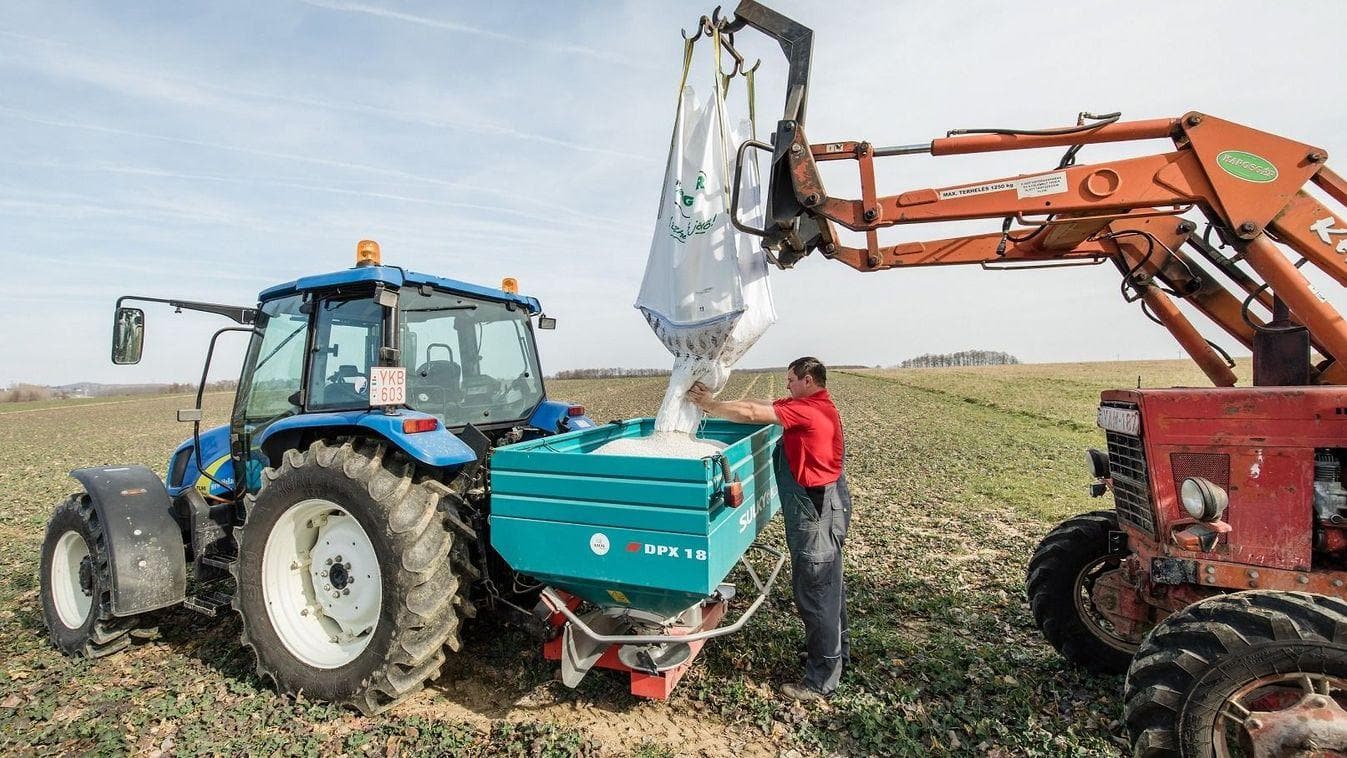
Szeged: Arable farmers on the Hungarian Great Plain place their nitrogen orders for the spring cycle in late summer, and this year they are signing those contracts while fertiliser prices sit far above anything their business plans assumed. The European Commission fixed the scale of the problem in May 2026, recording April nitrogen fertiliser prices 71 percent higher than the 2024 average and fertiliser affordability, measured against cereal prices, at its weakest level since 2022.

The Commission adopted its Fertiliser Action Plan on 19 May 2026 in response. The plan builds three strands: a value chain partnership linking producers, farmers and national governments, immediate liquidity relief routed through existing CAP Strategic Plans, and a longer push toward domestic production and bio-based alternatives. The Commission press release setting out the plan framed all three as food security measures rather than farm subsidies.

Ministers moved on the trade side three days later. The Council suspended customs duties for one year on key nitrogen inputs including urea and ammonia, a step the Commission valued at roughly 60 million euro in saved import duties. The suspension carries two conditions that matter. It excludes anything originating in Russia or Belarus, and it applies only within a quota equal to 2024 most-favoured-nation import volumes plus a fifth of what the bloc bought from Moscow and Minsk that year. The Council decision on the tariff suspension protects European producers as much as it relieves buyers.

Cash followed in July. Member states approved a 540 million euro emergency package on 17 July 2026, money aimed at farmers squeezed by the fertiliser and energy shock that followed the closure of the Strait of Hormuz in February. National authorities now decide how to distribute it, which means the relief arrives on twenty-seven different timetables.

None of this touches the structure underneath. Natural gas determines about 70 percent of the cost of making nitrogen fertiliser in Europe, so a plant in Antwerp or Ludwigshafen competes against rivals who buy gas at a fraction of the European price. The bloc imports roughly 30 percent of its nitrogen fertilisers, about 40 percent of its potassium and 70 percent of its phosphates. Cutting one dependency tends to deepen another.

The Middle East arithmetic illustrates the trap. The region supplies about 35 percent of globally traded nitrogen fertiliser, yet Europe draws only 3 percent of its ammonia and one to two percent of its nitrogen fertiliser directly from there. Direct exposure stayed tiny and the price still moved, because fertiliser trades as a global commodity and buyers chase the same alternative cargoes when a corridor closes.

Farmers respond to expensive nitrogen by applying less of it, which trims yields and pushes the cost back into food prices a season later. The Commission acknowledges that pattern and offers eco-schemes and advisory services as the answer, alongside a proposed reporting framework inside the Fertiliser Products Regulation and a stockpiling assessment that has not yet produced a proposal. The July allocation of emergency funds buys time for that slower work.

Critics of the package argue that liquidity relief rewards the same import dependence it claims to reduce, and that a one-year tariff suspension cannot anchor investment decisions that run over a decade. Supporters counter that a farm which cannot buy nitrogen this autumn will not be there to benefit from a decarbonised fertiliser industry in 2035. The tariff suspension expires next spring, and the Commission must then decide whether temporary relief has become permanent policy.