Horizon Europe is about to grow a limb that did not exist when the programme was designed, and the September update to the 2026-27 work programme is where it appears. The Commission is bolting two large horizontal calls onto a work programme it only adopted in December 2025, together worth roughly 630 million euros. Neither call belongs to a single cluster, which is exactly the point.
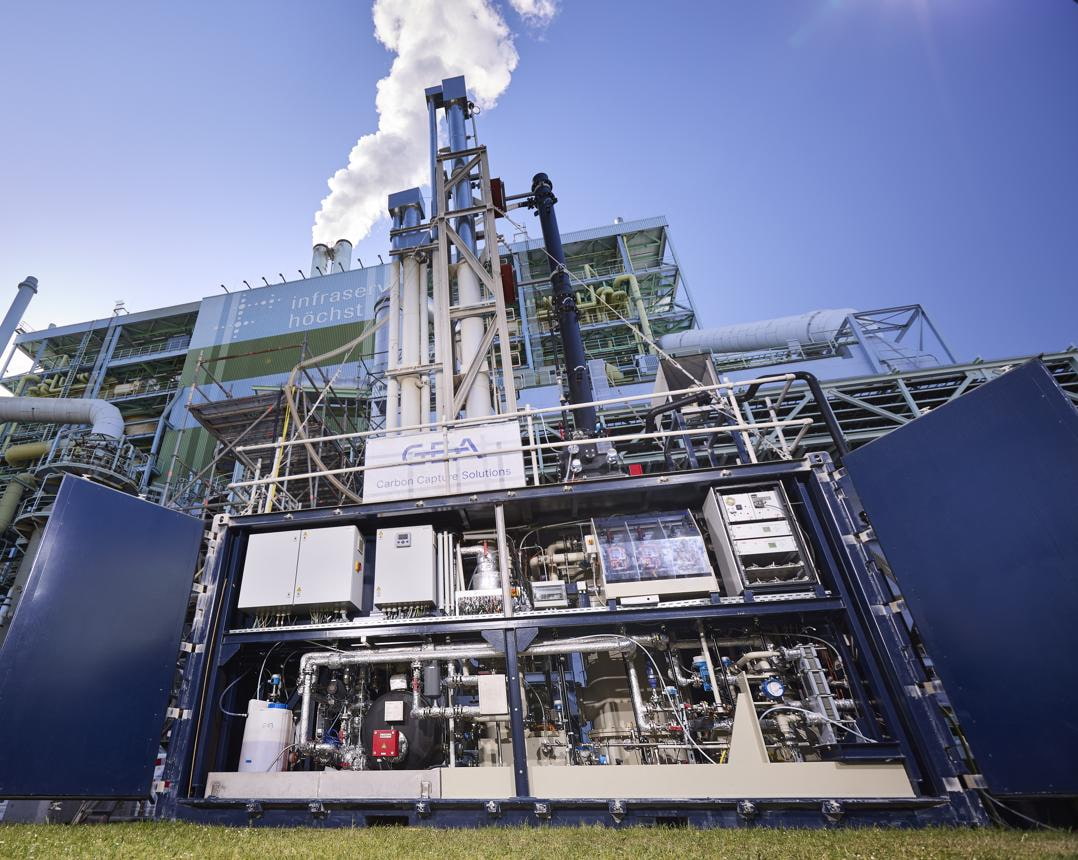
The larger of the two, around 540 million euros, sits behind the Clean Industrial Deal. It splits into clean technologies for climate action and the decarbonisation of energy-intensive industries, the two areas where European steel, cement, chemicals and glass producers keep telling the Commission that pilot plants cost more than any single national budget wants to carry. The second call funds artificial intelligence applications in science under the RAISE initiative, the Commission’s attempt to give European researchers a shared computing and modelling resource rather than twenty-seven scattered ones.
Horizontal calls are a young instrument. The Commission invented the format to escape a structural problem in the programme’s cluster architecture, where a proposal that spans energy, digital and manufacturing has to squeeze itself into whichever cluster it fits least badly. A horizontal call carries its own work programme and its own evaluation logic, so a consortium building an AI-driven materials discovery pipeline no longer has to pretend it is doing one thing.
The money sits inside the 14 billion euros already committed for 2026 and 2027, so this is redirection rather than expansion. That distinction matters to anyone reading the numbers as new spending. The Commission described the 2026-27 package as a push on research careers and on climate action, with 4.9 billion euros of the total tagged to climate objectives, and the horizontal calls draw from that same envelope.
Applicants get one genuine improvement out of the current cycle. Call topics are less prescriptive than in previous years, and the work programme itself is a third shorter, which sounds cosmetic until you have read a 1,200-page document to work out whether your project qualifies. Shorter topics mean wider interpretation, and wider interpretation means more proposals per topic. Success rates in Horizon Europe already hover uncomfortably low across several clusters, and looser framing tends to push them lower still.
That is the honest tension in this update. A horizontal call attracts consortia from every direction because nothing rules them out, then rejects most of them, and the cost of a failed Horizon Europe proposal falls on university research offices and small companies that cannot absorb it. Science Europe and university associations have raised this repeatedly, and the Commission has not answered it convincingly.
There is a second question worth putting plainly. The Clean Industrial Deal call funds research; the industries it targets need deployment capital, and the gap between a working pilot and a rebuilt blast furnace runs into billions per site. Research money cannot close that gap, and framing a 540 million euro call as industrial decarbonisation policy risks overselling what it does. It buys options, not plants.
The AI in science call carries a different risk. Compute access across the EU remains uneven, and a call that assumes researchers can reach large-scale computing will favour institutions in member states that already host it. The widening gap in Horizon Europe participation between western and central European institutions has survived every corrective instrument the Commission has tried, and a compute-intensive call gives it fresh ground.
Timing pushes all of this into a harder argument. Negotiators are already fighting over the shape of the next framework programme inside the post-2027 budget, where the Commission wants research folded into a larger competitiveness fund and the research community wants it standing alone. Horizontal calls are, in effect, a working demonstration of the merged model. If they succeed, they strengthen the case for consolidation. If they collapse into unmanageable evaluation queues, they hand the defenders of a standalone programme their best evidence.
Deadlines will decide how much of this matters. Consortium building for a call of this size takes months, and researchers who learn the topics in late September for deadlines in early 2027 have room to organise. Anything tighter favours the networks that already exist, which is the opposite of what a horizontal call is supposed to achieve. The Research Executive Agency publishes the operative dates, and those dates will tell researchers more than any of the accompanying language.