Espoo: Research infrastructures generate results that rarely reach a market, and the EIC Transition call has just opened a door for them. The 2026 edition accepts results produced at Horizon Europe and Horizon 2020 research infrastructures, alongside the project outputs it already funded.
The mechanics matter as much as the eligibility change. The call runs to a single cut-off on 16 September 2026 with a hundred million euros behind it. One date replaces the rolling pattern applicants learned to work around, which concentrates the competition and gives evaluators a clean comparison set. It also removes the option of waiting for a better quarter.
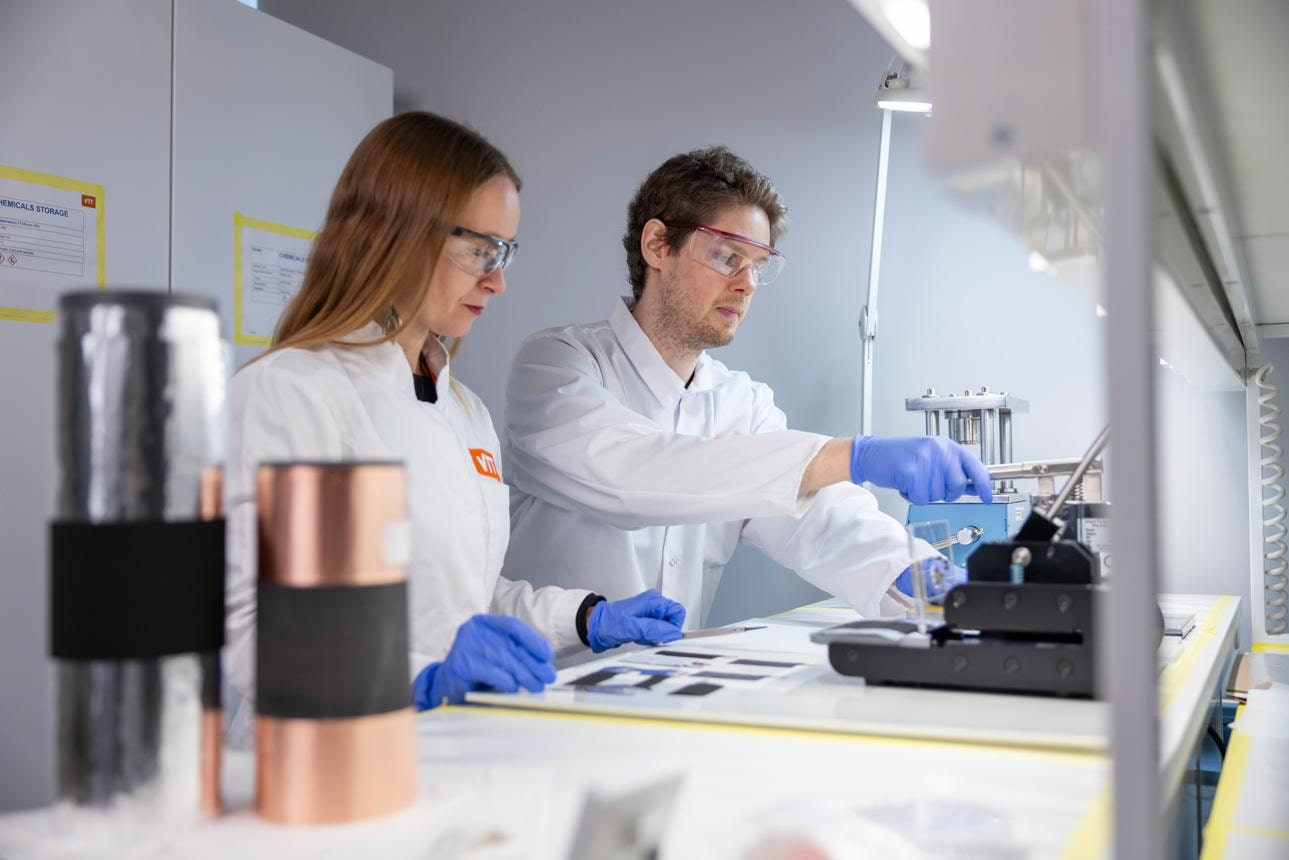
EIC Transition occupies an awkward slot. It takes a validated laboratory result and pays to move it toward a business case, the stage where public funders usually stop and private money has not yet arrived. Widening the source of eligible results to shared facilities acknowledges something the programme underweighted for years. Synchrotrons, imaging centres and materials laboratories produce patentable outputs constantly, and almost none of it travels, because the people who generated it are staff scientists rather than principal investigators with a spinout plan.
Whether a funding call fixes that is less obvious. The barrier at a shared facility is usually ownership rather than money. Results emerge from user projects with several institutional claimants, and negotiating who holds the intellectual property takes longer than writing the proposal. A single September deadline does not help there.
The call also carries the programme’s lump-sum architecture. The 2026 work programme pushes toward roughly half the budget delivered as lump sums, covering EIC Pathfinder Challenges, Transition, ERC Plus and a long list of collaborative actions. Lump sums pay against completed work packages rather than audited costs, which cuts reporting burden sharply and shifts risk onto the beneficiary. A consortium that underestimates a work package absorbs the overrun.
Applicants who clear the evaluation thresholds but miss funding, including those the jury rejects at the interview stage, collect a Seal of Excellence. That label carries no money from the EU. It signals quality to national and regional funders who run their own top-up schemes, and its practical value depends entirely on whether an applicant’s own member state operates one. Several do not.
Teams still assembling a proposal should read the call conditions against their consortium agreement first. A week spent on ownership clauses beats a week spent polishing an impact section that no evaluator will reach if the eligibility check fails.