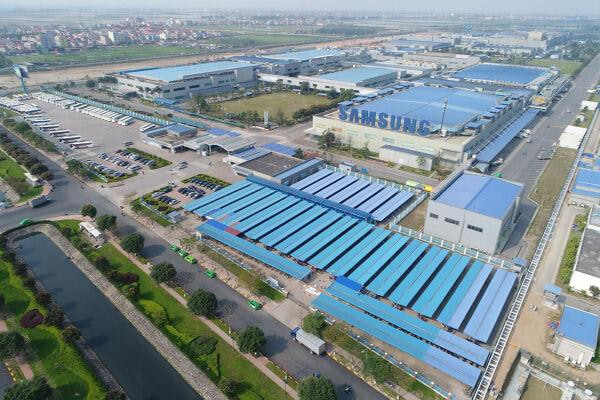
Bắc Ninh: The industrial parks north of Hanoi assemble phones, camera modules and printed circuit boards that reach European shelves within weeks. European firms helped finance several of those lines. The treaty written to protect that money has still not entered into force, seven years after both sides signed it.
Europe and Vietnam concluded a trade agreement and an investment protection agreement together in June 2019. The trade half took effect in August 2020 and has been cutting tariffs on a long schedule ever since. The protection half stalled. Because it covers portfolio investment and investor-state dispute settlement, it counts as a mixed agreement, so every national parliament in the Union must ratify it before a single clause binds anyone.
Most capitals have done so. A stubborn remainder has not. Germany’s Bundestag took up the file this year and France advanced its own procedure, yet the arithmetic of unanimity means the last few legislatures hold the same veto as the first twenty. Seven years of partial ratification produce exactly as much legal protection as none.
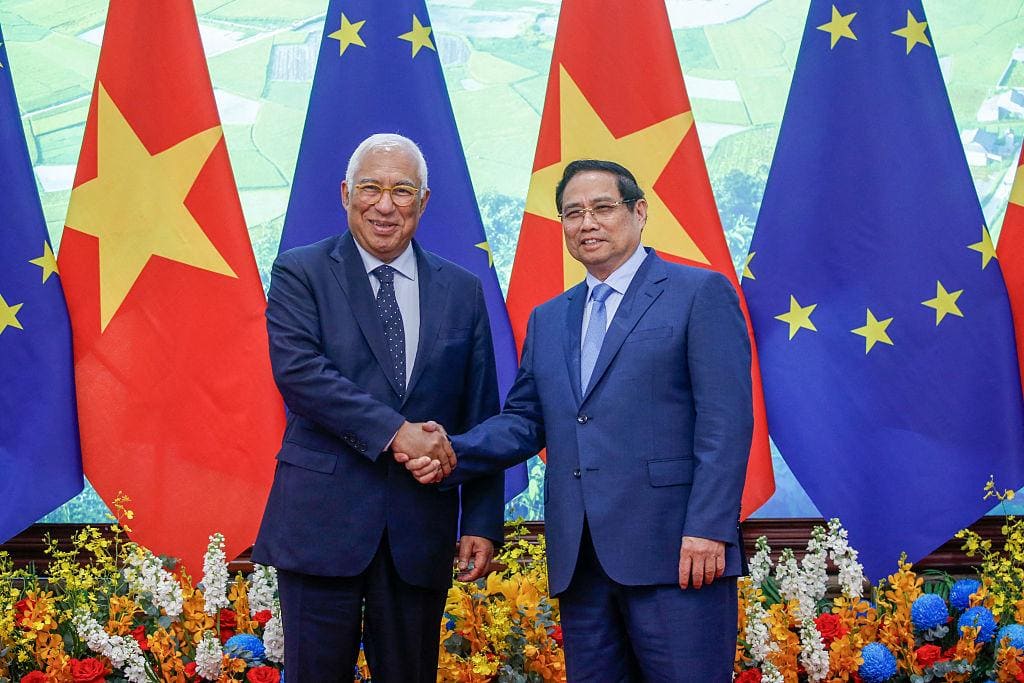
The contrast with the political track has become hard to ignore. European Council President António Costa travelled to Hanoi on 29 January and signed a joint statement lifting relations to a Comprehensive Strategic Partnership. Vietnam became the first member of ASEAN to reach that tier with Brussels. The statement promises deeper work on trade, clean energy, digital transformation, security and multilateral cooperation. It creates no enforceable right for anyone.
That gap explains why Vietnam investment protection keeps returning to the agenda. A partnership tier signals intent to sovereigns. An investment treaty gives a Danish wind developer or a Dutch logistics operator a forum when a licence disappears. European negotiators understand the distinction perfectly, which is why the Commission has spent recent years splitting its agreements, keeping trade in Union-only instruments that enter into force quickly and parking investment protection in separate texts. Vietnam signed before that lesson hardened into practice.
Delay carries a second, less obvious cost. Older bilateral investment treaties between individual member states and Vietnam continue to operate, and the pending agreement is designed to replace them with one modern standard, complete with a standing tribunal and an appeal mechanism. Until it enters into force, European investors in Vietnam rely on a patchwork drafted in a different decade, with inconsistent protections and no appellate review. Firms from member states that never signed a treaty with Hanoi rely on nothing at all.
Vietnam has kept its side moving. The National Assembly approved the agreement in June 2020 and passed a resolution on enforcing awards. Officials raise ratification at nearly every bilateral meeting, and with reason. Vietnamese planners want European capital for grid upgrades, offshore wind and rail, and the cheapest way to lower the risk premium on that capital is a treaty that already exists on paper.
A fair counterargument holds that ratification changes little in practice. Vietnam attracts foreign direct investment at high volumes without the agreement, and investor-state arbitration has grown politically toxic in several member states, which is precisely why their parliaments hesitate. That objection has force. It also concedes the point. If the instrument is minor, the Union has spent seven years failing to deliver something minor to its newest strategic partner in Southeast Asia, while telling that partner the relationship has never been closer.