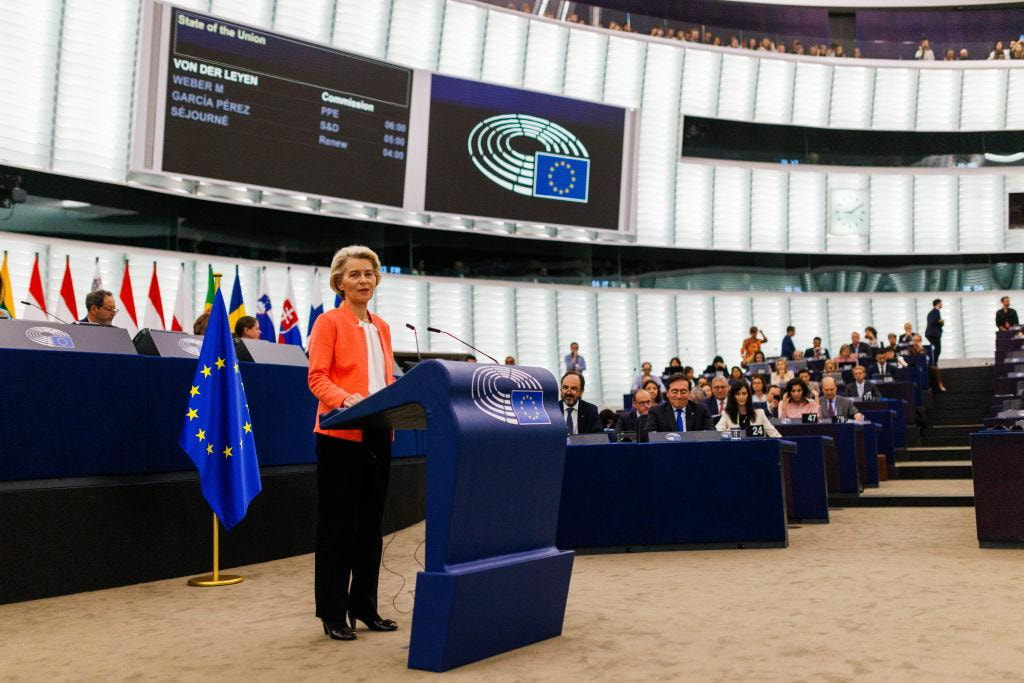
Kiruna: The European Commission plans a new raw materials corporation to buy and stockpile the metals that power Europe’s cars, chips and defence industry, President Ursula von der Leyen announced on 16 September 2026. She told the European Parliament in Strasbourg that the EU relies on China for more than 80% of many critical raw materials and for 90% of some rare earths.
“This is why we will establish a new European Corporation on Critical Raw Materials,” von der Leyen said in her State of the Union address. The raw materials corporation would help procure and stockpile the materials that electric cars, chips, batteries, clean technology and defence equipment need. The Commission repeats that aim in its list of 2026 State of the Union initiatives.
The Commission has not yet published a legal proposal, a budget or a governance model for the raw materials corporation. That leaves open whether it would act as a joint buyer for member states, a financier of mines and refineries, or a manager of physical reserves. Those questions will shape the debate once Brussels tables detailed text.
The announcement lands as trade relations with China deteriorate. MLex reported that von der Leyen described the EU’s trade deficit with China, roughly €1 billion a day, as having reached a tipping point. She also asked Beijing for results by October on market access, subsidies and overcapacity, so the raw materials corporation works as a second line of defence if those talks stall.
The idea builds on the Critical Raw Materials Act, which entered into force in May 2024. The law sets 2030 benchmarks: 10% of annual consumption from EU extraction, 40% from EU processing and 25% from recycling. It also caps imports from any single third country at 65% of the EU’s annual consumption of each strategic raw material.
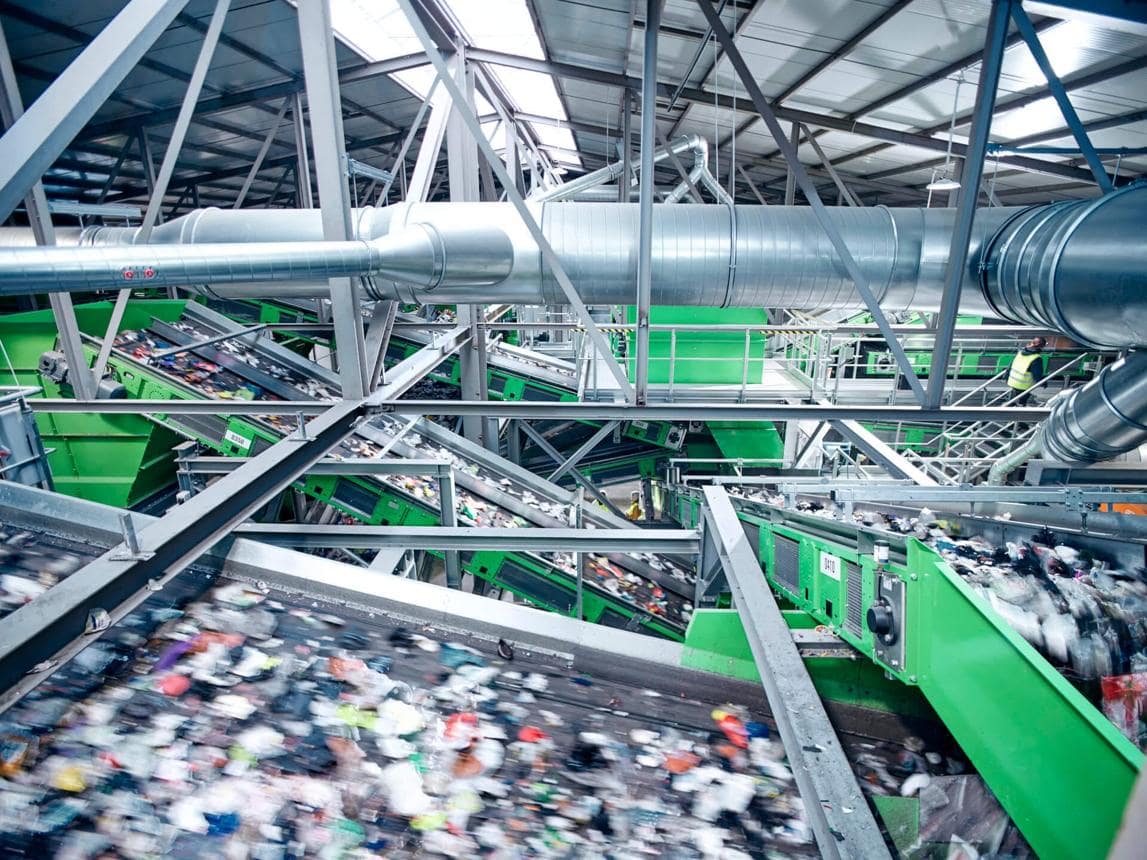
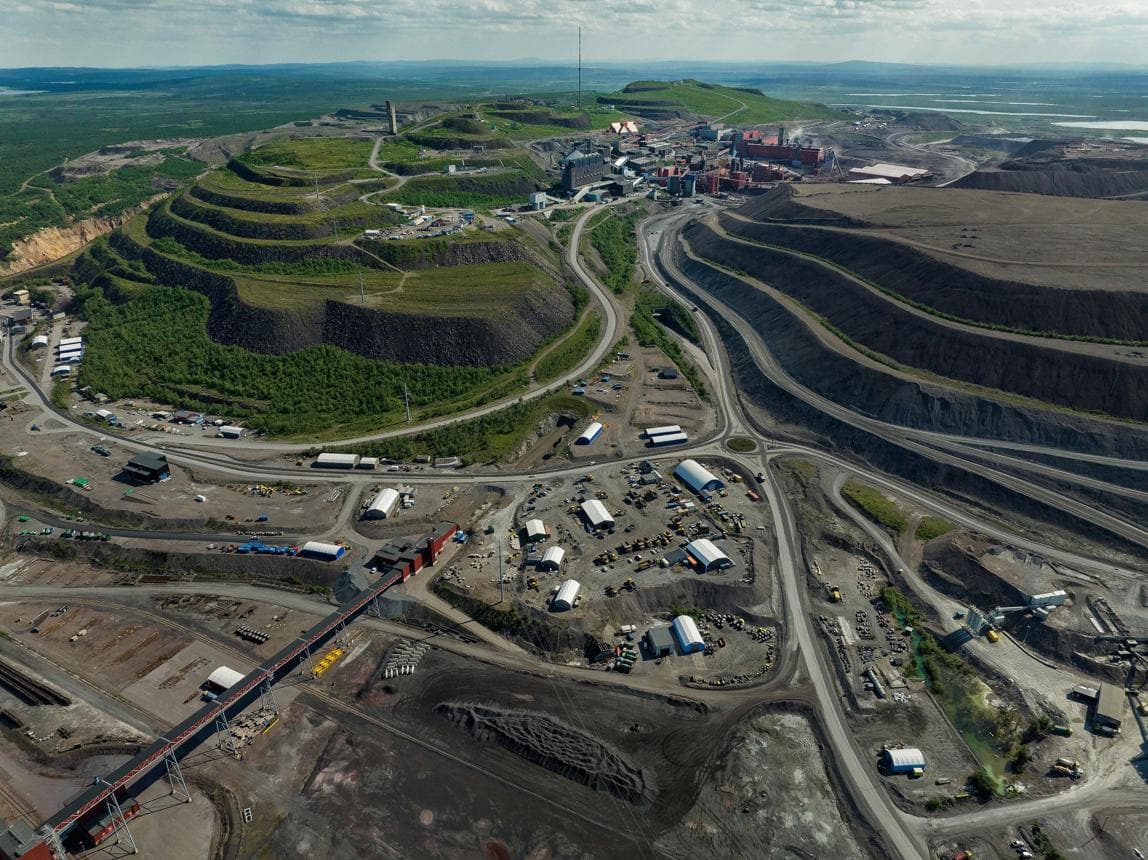
Those benchmarks explain why a raw materials corporation matters. Europe can mine and process some of what it needs, such as the rare earth deposit near Kiruna in northern Sweden, but new projects take years to permit and build. A stockpile protects factories in the meantime, and a central buyer could give European manufacturers more bargaining power with suppliers.
Several details will decide whether the raw materials corporation changes anything. They include how much public money it receives, whether it can buy at scale without distorting prices, and how it coordinates with national stockpiles that member states already run. The Parliament and the Council must also agree on a legal basis, so the timeline remains open.
The strategic logic is simple. Chinese export controls on rare earths and other inputs have already shown how quickly a supply shock can halt European production lines. Von der Leyen’s proposal tries to turn the Critical Raw Materials Act’s targets into a tool the EU can use, rather than a list of aspirations.
For now, the raw materials corporation is a political commitment rather than a legal instrument. Its success will depend on whether it delivers steady supply to European factories by 2030, and on what the October talks with China produce. Watch for the Commission’s follow-up proposal and for the first signals on funding.