The ETS2 delay is the most visible change in the amended EU Climate Law that the Council formally adopted on 5 March 2026. The second emissions trading system, which prices carbon in building heating and road transport fuels, now starts on 1 January 2028 instead of one year earlier, with auctioning set to begin in 2027.
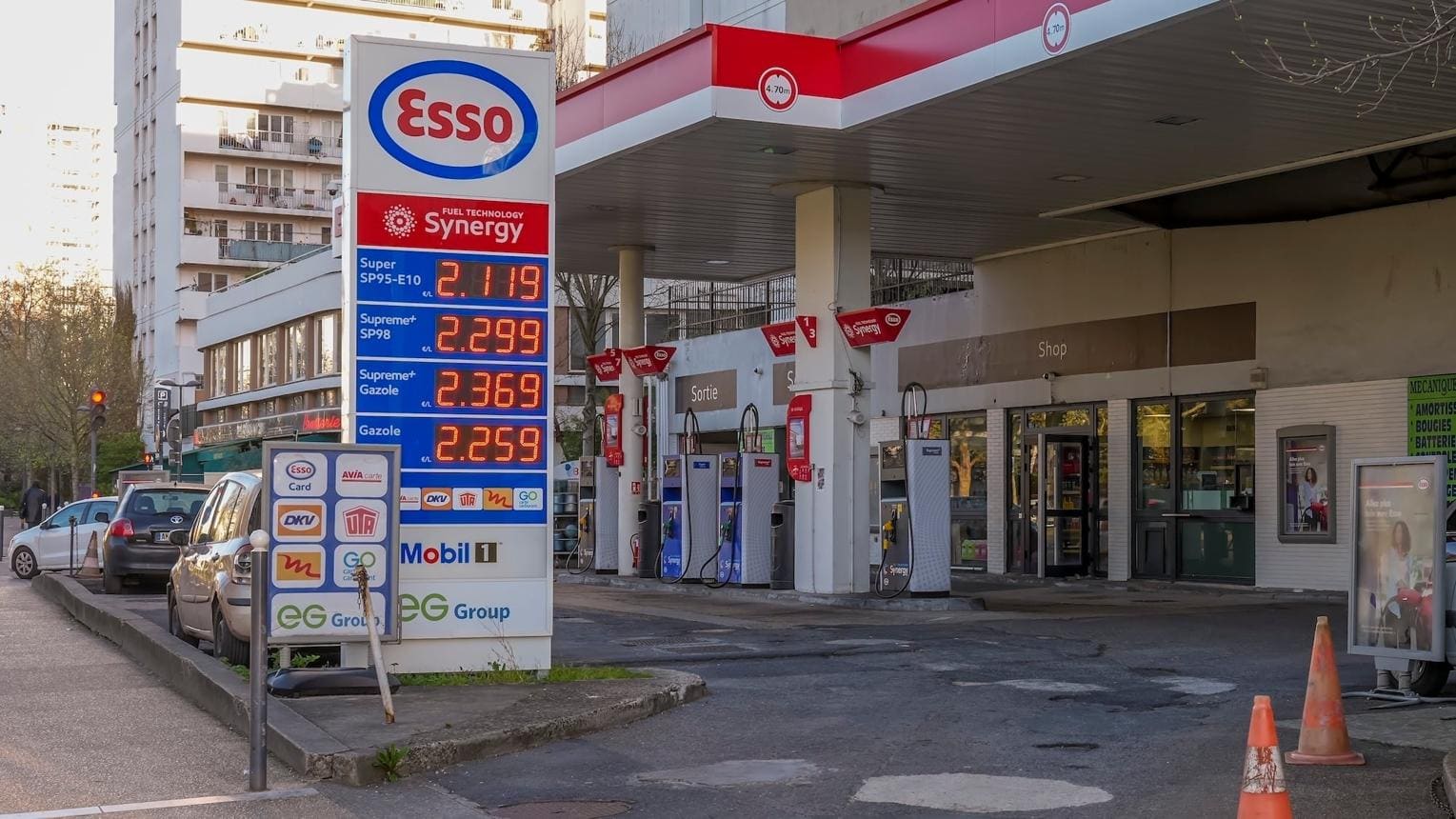
Governments wanted the extra year because ETS2 reaches households directly. Unlike the existing system for power plants and heavy industry, it puts a price on the petrol, diesel and gas that families buy. Several capitals feared a political backlash if prices rose before national support schemes and the Social Climate Fund were ready. The ETS2 delay buys time for those safeguards to take shape.
The same law, which carried the ETS2 delay through Parliament and Council, fixes the EU’s 2040 goal at a 90% cut in net greenhouse gas emissions compared with 1990. To make that target easier to reach, member states may count international carbon credits, capped at 5% of the EU’s 1990 net emissions and available from 2036. Supporters call the credits a pragmatic safety valve, while critics warn that they could weaken domestic effort.
The package also opens the EU system to domestic permanent removals, including bioenergy with carbon capture and direct air capture with storage. Those technologies remain small and expensive today, but the legal recognition gives investors a clearer signal about future demand. A biennial assessment of Climate Law implementation will test whether the decarbonisation trajectory stays on course.
Compliance rules tighten as well, and the ETS2 delay does not change them. From 2026, emissions reports must undergo mandatory third-party verification, which should raise confidence in the data that underpins carbon allowances. The amended law enters into force 20 days after publication in the Official Journal of the European Union.
For households, the ETS2 delay means the carbon price on heating and transport fuel will not appear in 2027 bills. It does not remove the obligation, however, because the 2040 target still requires deep cuts in buildings and road transport. Fuel suppliers, who face the legal duty under the system, will continue preparing their monitoring and reporting.
Governments now face a clear task. They must finish national climate and social plans, decide how to spend revenue from the first auctions, and explain the new timetable to voters. The ETS2 delay gives them one more year, but it also removes the excuse for waiting. If the preparations slip again, the pressure to postpone further will return, and the 2040 trajectory will look harder to defend in 2028.