The Yabloko sanctions adopted by the Council of the EU on 28 September 2026 put asset freezes on ten Russian judges, prosecutors and officials who helped bar the country’s only anti-war party from the State Duma elections. The Council acted under its Russia human rights framework, which it created in March 2024 after the death of Alexei Navalny.
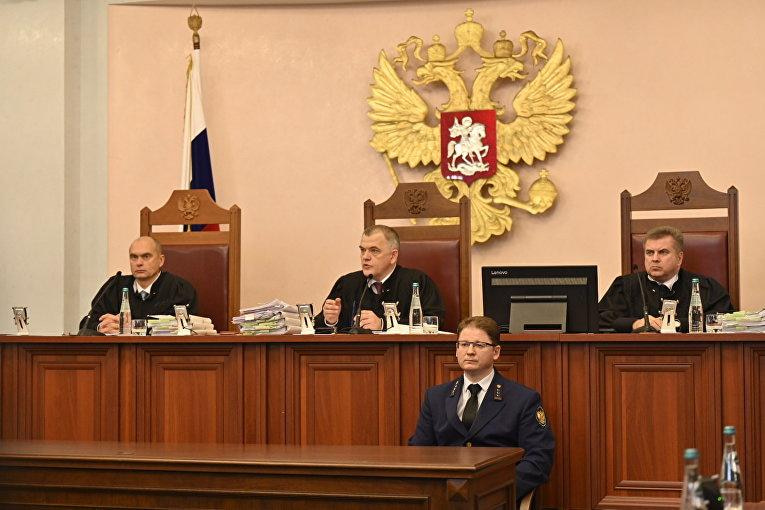
The ten people listed hold roles across the justice system. They include three Supreme Court judges and an official of the Prosecutor General’s Office who took part in the decision to keep Yabloko off the ballot. The list also names the judge who sentenced Lev Shlosberg, a Yabloko deputy chair, to 11 years and one month in prison, and the state prosecutor who requested that sentence.
Other judges involved in the trials of Yabloko leaders Maxim Kruglov and Nikolai Rybakov are on the list as well. The Council’s legal acts, Decision (CFSP) 2026/2192 and Implementing Regulation (EU) 2026/2193, bar EU citizens and companies from making funds or economic resources available to the listed individuals. The Yabloko sanctions are therefore a financial measure aimed at people rather than at the Russian state.
The Council described Yabloko as the only political party that openly opposed Russia’s war of aggression against Ukraine. Russia held its Duma elections between 18 and 20 September 2026, and the party’s federal list was excluded over alleged copyright breaches, extremism and misconduct. EU officials rejected those grounds and called the exclusion an attack on democratic opposition.
The new Yabloko sanctions take the total under the Russia human rights regime to 108 individuals and 7 entities. That is a small number next to the sanctions imposed over the war in Ukraine, yet the regime serves a different purpose. It targets the machinery of domestic repression, including courts and prosecutors, rather than oligarchs or military suppliers.
Legal practitioners will watch how the Yabloko sanctions work in practice. Judges and prosecutors rarely hold assets in the EU, so the financial bite may be limited. The political signal could matter more, because it tells officials in Russia’s justice system that their role in political cases can carry consequences abroad.
The Yabloko sanctions also test EU unity on rule of law questions beyond its own borders. Sanctions decisions under the common foreign and security policy need unanimity, and the Council reached agreement on 28 September, the same day it listed individuals over the deportation of Ukrainian children. That timing shows member states can still move together on both the war and its domestic dimension.
For Russian civil society, the effect is hard to predict. The cases behind the listings involved a fine for sharing a photo of Navalny and a long prison term for criticising the army, so they connect directly to the wider crackdown on dissent. Moscow routinely dismisses EU listings as interference, and independent opposition figures remain in prison or exile.
The EU argues that silence would send the wrong message to people still working for open politics inside Russia. The Yabloko sanctions will not restore the party’s place on the ballot, but they put the officials behind that decision on record. Overall, the Yabloko sanctions keep the pressure on the Kremlin’s control of its courts.