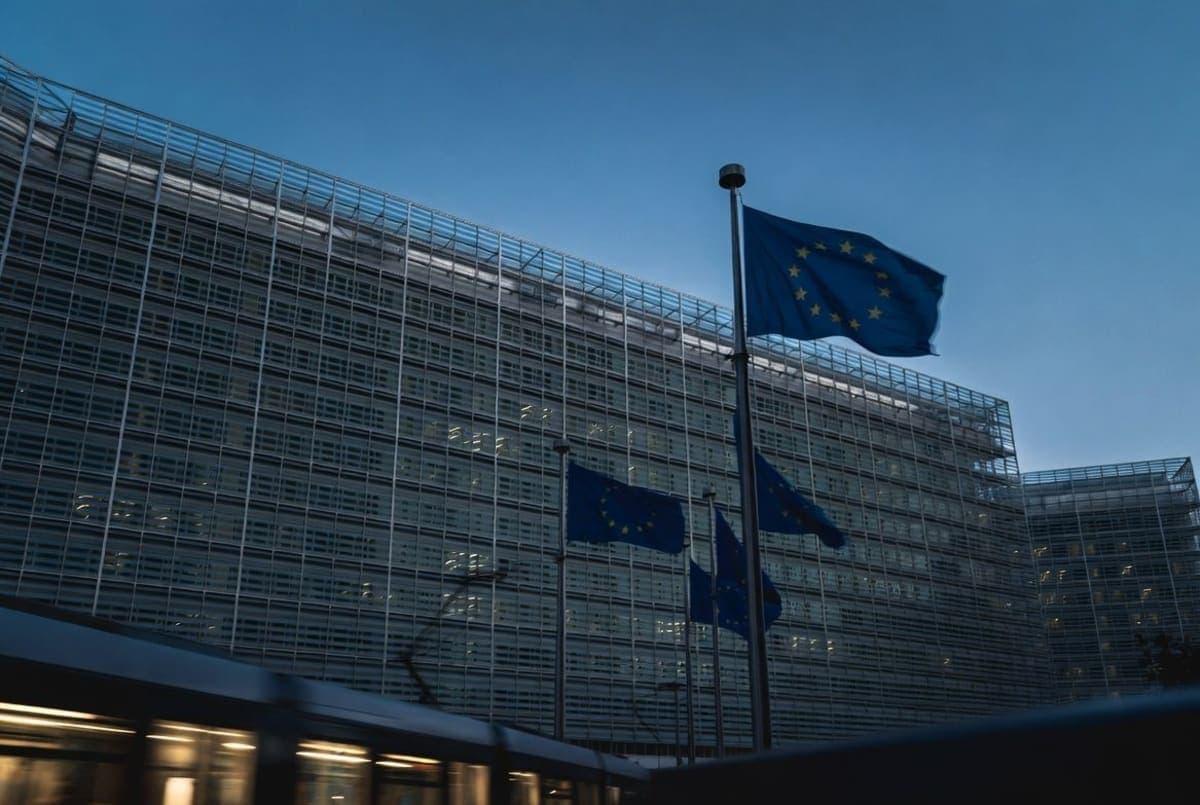
The EU’s first common safe countries of origin list now shapes how member states decide asylum claims, and it has applied since 12 June 2026 alongside the wider Pact on Migration and Asylum. The Council formally adopted the list and a revised safe third country concept on 23 February 2026, completing one of the last legislative steps before the Pact took effect.
The list names seven countries: Bangladesh, Colombia, Egypt, India, Kosovo, Morocco and Tunisia. Applicants from those countries face a presumption that their claim is unfounded, so authorities can examine it faster, often at the border. Candidate countries also count as safe unless they face armed conflict, EU restrictive measures, or an asylum recognition rate above 20%.
The revised safe third country concept works differently from the safe countries of origin list. Member states may now declare an application inadmissible when the person could have sought protection elsewhere. A national authority can rely on a connection with the third country, the applicant’s transit through it, or an agreement with it. Critics argue that such agreements open the door to transfers outside the EU.
Nicholas Ioannides, Cyprus’s Deputy Minister for Migration, said the first common list and the revised concept will support faster and more consistent asylum procedures. Amnesty International took the opposite view and described the safe country rules as another attack on the right to asylum. Both positions will face a test on the safe countries of origin list as national authorities apply the rules to real cases.
The safe countries of origin list sits inside a broader framework. The Pact entered application on 12 June 2026 and combines mandatory screening, border procedures, shorter timelines and a permanent solidarity mechanism between member states. The Commission points to a 55% fall in irregular border crossings over the two years before application and says the new system will keep that trend going.
President Ursula von der Leyen has described the approach as effective, fair and firm. Border technology supports it. The Entry/Exit System became fully operational on 10 April 2026, and Home Affairs Commissioner Magnus Brunner has presented it as a tool against identity fraud and overstaying. The system registers fingerprints and facial images for non-EU travellers entering the Schengen area.
The safe countries of origin list will change over time, because the Commission can propose updates and the Council and Parliament must agree. Watch three indicators in the coming months: how many claims national authorities reject as manifestly unfounded, how often courts overturn those decisions, and whether member states use the solidarity mechanism in practice. Those results will show whether the safe countries of origin list delivers faster decisions without weakening individual protection.