August 10, 2026
LATEST
Europe’s Air Quality Improves but WHO Limits LoomTwelve New EU Medicines Win a Green Light from EMAFIFA Agent Rules Must Answer to Europe’s CourtsTachograph Rules Now Reach Vans Crossing Europe’s BordersNature Restoration Plans Come Due as a Hard Deadline NearsBrussels Opens a State Aid Probe Into Spain’s Renewables PayoutBrussels Extends Its Tariff Suspension on US Goods IndefinitelyFarmers Win Stronger Contract Rights Across the EU Supply ChainEurope Finally Locks In Its 348-Satellite Answer to StarlinkPlatform Work Rules Face a National Scramble Before DecemberDuty-Free Parcels Reach the End of the Line for EU ShoppersAfter Nine Years, Europe and Australia Seal a Trade PactBeijing Answers Europe’s Russia Sanctions in KindOne Year On, the EU-Japan Alliance Faces Its First TestEurope’s Chip Ambitions Still Run Through Taiwan’s FabsWhy South Korea Bet Its Research Future on Europe’s ProgrammeEurope and Japan Deepen Their Economic Alliance as Rivals CircleFive Joint Defence Projects Launch Europe’s Military ShieldElectrification Plan Aims to Make Europe First Electro ContinentHorizon Europe Budget Fight Heats Up as Ministers Push BackEurope’s Air Quality Improves but WHO Limits LoomTwelve New EU Medicines Win a Green Light from EMAFIFA Agent Rules Must Answer to Europe’s CourtsTachograph Rules Now Reach Vans Crossing Europe’s BordersNature Restoration Plans Come Due as a Hard Deadline NearsBrussels Opens a State Aid Probe Into Spain’s Renewables PayoutBrussels Extends Its Tariff Suspension on US Goods IndefinitelyFarmers Win Stronger Contract Rights Across the EU Supply ChainEurope Finally Locks In Its 348-Satellite Answer to StarlinkPlatform Work Rules Face a National Scramble Before DecemberDuty-Free Parcels Reach the End of the Line for EU ShoppersAfter Nine Years, Europe and Australia Seal a Trade PactBeijing Answers Europe’s Russia Sanctions in KindOne Year On, the EU-Japan Alliance Faces Its First TestEurope’s Chip Ambitions Still Run Through Taiwan’s FabsWhy South Korea Bet Its Research Future on Europe’s ProgrammeEurope and Japan Deepen Their Economic Alliance as Rivals CircleFive Joint Defence Projects Launch Europe’s Military ShieldElectrification Plan Aims to Make Europe First Electro ContinentHorizon Europe Budget Fight Heats Up as Ministers Push Back
August 10, 2026
LATEST
Europe’s Air Quality Improves but WHO Limits LoomTwelve New EU Medicines Win a Green Light from EMAFIFA Agent Rules Must Answer to Europe’s CourtsTachograph Rules Now Reach Vans Crossing Europe’s BordersNature Restoration Plans Come Due as a Hard Deadline NearsBrussels Opens a State Aid Probe Into Spain’s Renewables PayoutBrussels Extends Its Tariff Suspension on US Goods IndefinitelyFarmers Win Stronger Contract Rights Across the EU Supply ChainEurope Finally Locks In Its 348-Satellite Answer to StarlinkPlatform Work Rules Face a National Scramble Before DecemberDuty-Free Parcels Reach the End of the Line for EU ShoppersAfter Nine Years, Europe and Australia Seal a Trade PactBeijing Answers Europe’s Russia Sanctions in KindOne Year On, the EU-Japan Alliance Faces Its First TestEurope’s Chip Ambitions Still Run Through Taiwan’s FabsWhy South Korea Bet Its Research Future on Europe’s ProgrammeEurope and Japan Deepen Their Economic Alliance as Rivals CircleFive Joint Defence Projects Launch Europe’s Military ShieldElectrification Plan Aims to Make Europe First Electro ContinentHorizon Europe Budget Fight Heats Up as Ministers Push BackEurope’s Air Quality Improves but WHO Limits LoomTwelve New EU Medicines Win a Green Light from EMAFIFA Agent Rules Must Answer to Europe’s CourtsTachograph Rules Now Reach Vans Crossing Europe’s BordersNature Restoration Plans Come Due as a Hard Deadline NearsBrussels Opens a State Aid Probe Into Spain’s Renewables PayoutBrussels Extends Its Tariff Suspension on US Goods IndefinitelyFarmers Win Stronger Contract Rights Across the EU Supply ChainEurope Finally Locks In Its 348-Satellite Answer to StarlinkPlatform Work Rules Face a National Scramble Before DecemberDuty-Free Parcels Reach the End of the Line for EU ShoppersAfter Nine Years, Europe and Australia Seal a Trade PactBeijing Answers Europe’s Russia Sanctions in KindOne Year On, the EU-Japan Alliance Faces Its First TestEurope’s Chip Ambitions Still Run Through Taiwan’s FabsWhy South Korea Bet Its Research Future on Europe’s ProgrammeEurope and Japan Deepen Their Economic Alliance as Rivals CircleFive Joint Defence Projects Launch Europe’s Military ShieldElectrification Plan Aims to Make Europe First Electro ContinentHorizon Europe Budget Fight Heats Up as Ministers Push Back

Grid Modernisation: EU Drives Cross-Border Electricity Reforms

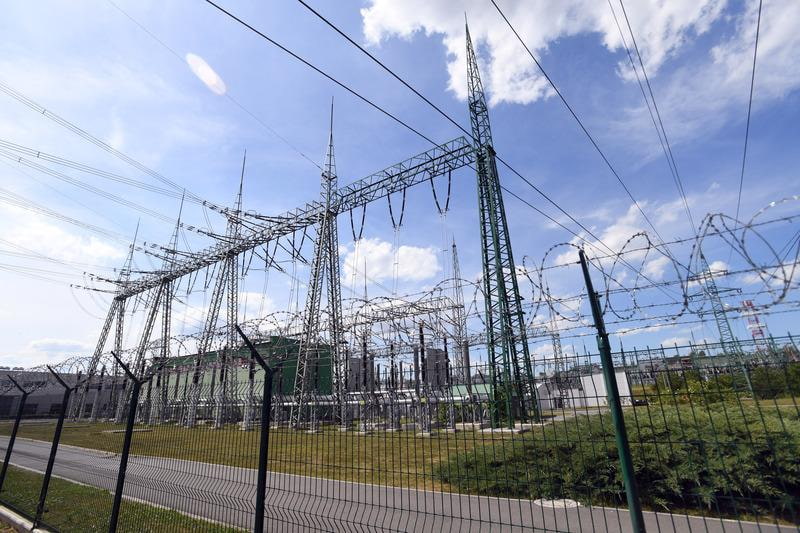
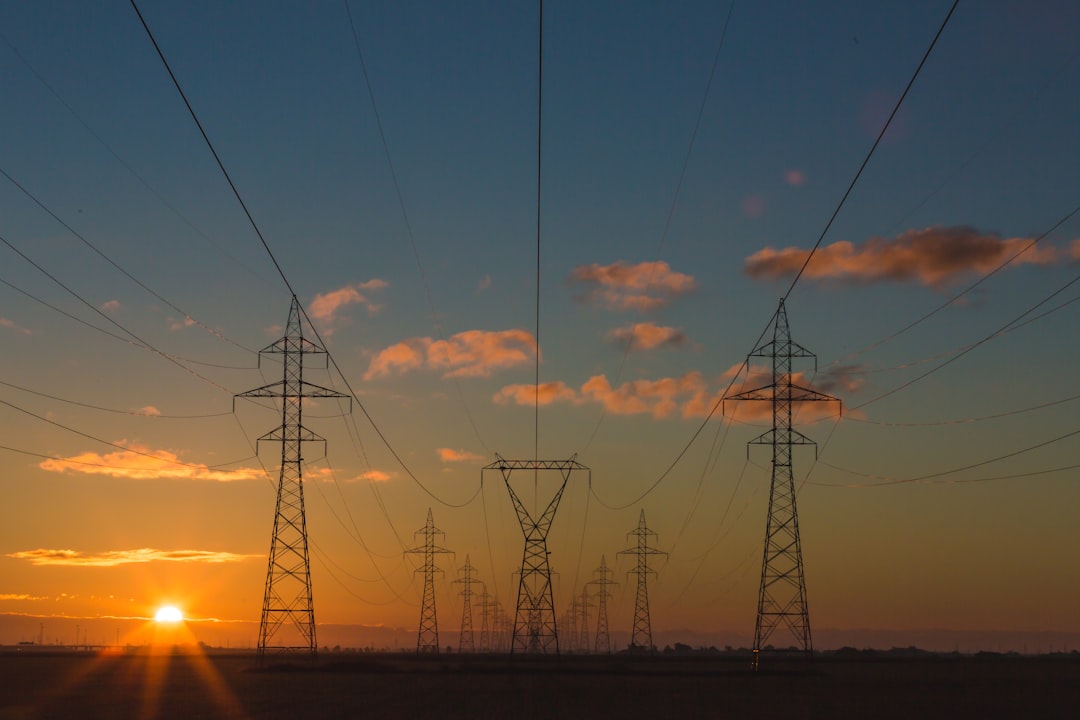
Copenhagen: The European electricity system is undergoing what the Agency for the Cooperation of Energy Regulators describes as the most structurally significant reform since the unbundling of generation and transmission two decades ago. The fourth Electricity Market Design package, whose final implementing acts entered force on 12 May, restructures cross-border capacity calculation methodologies and introduces binding obligations on transmission system operators to make at least 70 percent of interconnector capacity available to commercial flows.

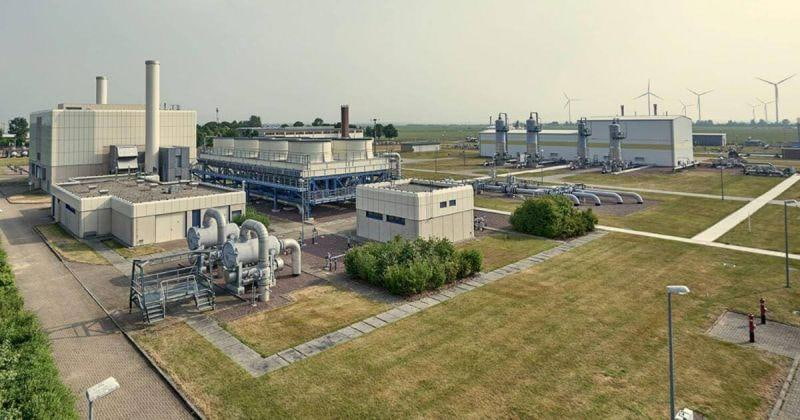
The reform arrives against a backdrop of accelerating renewable integration. Wind and solar generation now account for more than 47 percent of Northern European electricity supply on an annualised basis, with several days during April recording penetrations above 80 percent in the Nordic synchronous area. Such operating conditions place unprecedented demands on grid flexibility, demands that the existing market architecture, designed in an era of dispatchable thermal generation, has struggled to meet.

The Danish Energinet’s contribution to the policy debate, summarised in its position paper to ACER, emphasises that the principal binding constraint is no longer generation adequacy but transmission capacity at specific structural bottlenecks. The Jutland-Germany interconnector, the Estlink corridor to the Baltic states, and the North Sea connection points to the United Kingdom each register congestion rents that, in cumulative terms, exceeded 4.2 billion euro in 2025. These rents represent both a revenue stream and an efficiency loss.

The reformed market design introduces a number of technical innovations. Capacity allocation moves to a hybrid model combining flow-based market coupling with regionally coordinated remedial actions. Imbalance settlement periods harmonise at 15 minutes across continental Europe, a change that demands substantial upgrades to metering infrastructure in several Member States and has prompted the European Investment Bank to extend a dedicated 1.8 billion euro lending facility for grid digitalisation.

Member States with substantial offshore wind ambitions, Denmark, the Netherlands, Germany, and Poland prominent among them, have welcomed the package but pressed for faster implementation of the offshore bidding zone concept. The Commission has, for the moment, deferred this question to a dedicated technical workstream that is expected to report in 2027.

Critics within the consumer protection community, including the European consumers’ organisation BEUC, have raised concerns that the increased complexity of the market design may dilute the price signals received by end-users. The Commission’s response has been to accelerate the rollout of dynamic pricing options, supported by smart meter penetration targets of 80 percent by 2028.

The political economy of grid investment remains contested. The North Sea Wind Power Hub initiative, the Iberian interconnection expansion, and the Baltic synchronisation project each face national permitting bottlenecks that EU-level coordination can influence but not fully resolve. Trans-European Energy Network funding has been increased to 5.8 billion euro for the current period, with project-of-common-interest designations covering 168 individual infrastructure proposals.

The reformed framework will be tested first during the coming winter. Whether the operational tools it provides prove sufficient to manage the contemporary grid, or whether further revision will follow, is among the most consequential open questions in European energy policy.