Brussels: The European Commission published its Electrification Action Plan on 17 July 2026, setting out how it wants to turn the bloc into what it calls the world’s first electro-powered continent. The electrification plan pairs a headline target with new rules on grids, network charges and smart meters, and lands alongside a proposed review of the EU Emissions Trading System.
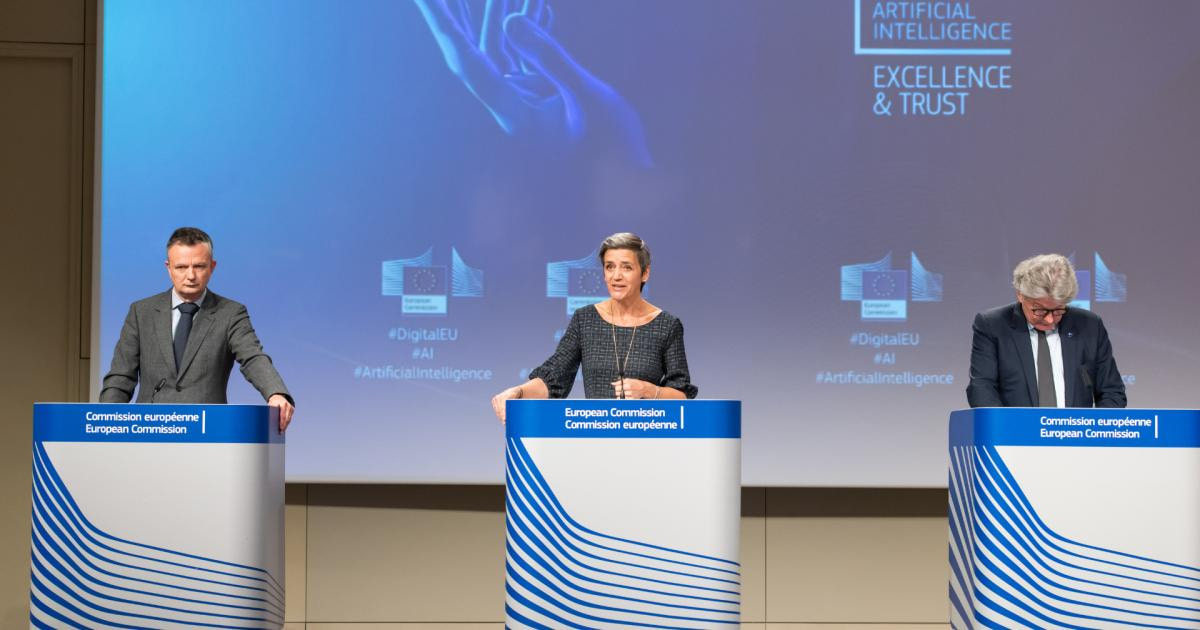
Energy Commissioner Dan Jørgensen presented the package with Climate Commissioner Wopke Hoekstra and Executive Vice-President Teresa Ribera. At its centre sits an indicative goal to lift electricity’s share of final energy consumption to 46% by 2040.
“We want to make Europe the first electro-powered continent,” Jørgensen said, arguing that cheaper, cleaner power is now the surest route to competitiveness and energy security.
That 46% figure would roughly double today’s share, which has been stuck near 23% for a decade even as wind and solar capacity surged. The Commission argues that electrifying cars, heating and industry is the fastest way to cut both emissions and exposure to volatile fossil markets.
The economic case leans on imports. Reaching the target could trim the EU’s fossil fuel import bill by up to €260 billion a year by 2040, according to the Commission’s electrification factsheet. Households and factories that run on domestically generated electricity would be less hostage to gas price spikes of the kind that battered Europe after 2022.
To get there, the plan reaches beyond slogans into the plumbing of the power system. Its measures include:
- a legislative proposal on network charges, amending the Electricity Regulation to reward system-friendly grid use;
- faster rollout of smart meters so households can shift demand to cheaper hours;
- support for storage and flexible connections to soak up surplus renewable output;
- and steps to improve the electricity-to-gas price ratio that currently discourages switching.
Price is the stubborn obstacle. In much of Europe, electricity still costs far more per unit of energy than gas, so households weighing a heat pump or an electric car often see slow payback. Jørgensen wants network charges and taxes rebalanced so the cleaner option becomes the cheaper one at the point of sale.
The target is indicative rather than binding, which drew immediate criticism from campaigners who wanted a legal obligation. Industry groups, by contrast, welcomed the flexibility, warning that a hard mandate could strand investment if grids fail to expand fast enough. Grid capacity is the other bottleneck: permitting for new lines still crawls, and connection queues stretch for years in several member states.
The action plan slots into the Commission’s wider competitiveness agenda, which casts affordable energy as the foundation for reindustrialising Europe. It also feeds into the 2040 climate framework, where a higher electrification rate underpins the deeper emissions cuts the EU has pledged.
Member states and the European Parliament will now weigh the network-charge proposal and the accompanying ETS review, a process likely to run well into 2027. The electrification plan sets direction rather than law, but it signals where Brussels intends to steer investment for the next fifteen years.