August 10, 2026
LATEST
Five Joint Defence Projects Launch Europe’s Military ShieldElectrification Plan Aims to Make Europe First Electro ContinentHorizon Europe Budget Fight Heats Up as Ministers Push BackGoogle’s DMA Fine Sets Off a Transatlantic Tariff ClashTwenty New University Alliances Join Erasmus for Two YearsForeign Subsidies Case Puts Temu in the EU’s SightsVan Tachographs Now Mandatory for Cross-Border FleetsStress Test Exposes Gaps in Euro Area Bank DefencesEurope Bets on a Gulf Partnership Before the Riyadh SummitWhy the Atlantic Route Now Runs Through MauritaniaKyiv and Chisinau Advance as the EU Accession Talks Gather PaceEurope’s New Digital Border System Beds In After a Rocky RolloutBrussels Mounts Its Largest Wildfire Response as the Fires SpreadRetail Spending Slipped in June, Wrong-Footing EconomistsHeatwave Warning Puts Brussels on Alert for Vulnerable GroupsKANAL’s 230 Million Euro Museum Sets a November Opening DatePension Savings Rules Get a Reset as the EU Scraps the 1% CapMedicine Shortages Move to the Heart of Europe’s Pharma ResetJapan Becomes Europe’s Closest Security Partner in AsiaCan Europe’s New Zealand Deal Anchor It in the Pacific?Five Joint Defence Projects Launch Europe’s Military ShieldElectrification Plan Aims to Make Europe First Electro ContinentHorizon Europe Budget Fight Heats Up as Ministers Push BackGoogle’s DMA Fine Sets Off a Transatlantic Tariff ClashTwenty New University Alliances Join Erasmus for Two YearsForeign Subsidies Case Puts Temu in the EU’s SightsVan Tachographs Now Mandatory for Cross-Border FleetsStress Test Exposes Gaps in Euro Area Bank DefencesEurope Bets on a Gulf Partnership Before the Riyadh SummitWhy the Atlantic Route Now Runs Through MauritaniaKyiv and Chisinau Advance as the EU Accession Talks Gather PaceEurope’s New Digital Border System Beds In After a Rocky RolloutBrussels Mounts Its Largest Wildfire Response as the Fires SpreadRetail Spending Slipped in June, Wrong-Footing EconomistsHeatwave Warning Puts Brussels on Alert for Vulnerable GroupsKANAL’s 230 Million Euro Museum Sets a November Opening DatePension Savings Rules Get a Reset as the EU Scraps the 1% CapMedicine Shortages Move to the Heart of Europe’s Pharma ResetJapan Becomes Europe’s Closest Security Partner in AsiaCan Europe’s New Zealand Deal Anchor It in the Pacific?
August 10, 2026
LATEST
Five Joint Defence Projects Launch Europe’s Military ShieldElectrification Plan Aims to Make Europe First Electro ContinentHorizon Europe Budget Fight Heats Up as Ministers Push BackGoogle’s DMA Fine Sets Off a Transatlantic Tariff ClashTwenty New University Alliances Join Erasmus for Two YearsForeign Subsidies Case Puts Temu in the EU’s SightsVan Tachographs Now Mandatory for Cross-Border FleetsStress Test Exposes Gaps in Euro Area Bank DefencesEurope Bets on a Gulf Partnership Before the Riyadh SummitWhy the Atlantic Route Now Runs Through MauritaniaKyiv and Chisinau Advance as the EU Accession Talks Gather PaceEurope’s New Digital Border System Beds In After a Rocky RolloutBrussels Mounts Its Largest Wildfire Response as the Fires SpreadRetail Spending Slipped in June, Wrong-Footing EconomistsHeatwave Warning Puts Brussels on Alert for Vulnerable GroupsKANAL’s 230 Million Euro Museum Sets a November Opening DatePension Savings Rules Get a Reset as the EU Scraps the 1% CapMedicine Shortages Move to the Heart of Europe’s Pharma ResetJapan Becomes Europe’s Closest Security Partner in AsiaCan Europe’s New Zealand Deal Anchor It in the Pacific?Five Joint Defence Projects Launch Europe’s Military ShieldElectrification Plan Aims to Make Europe First Electro ContinentHorizon Europe Budget Fight Heats Up as Ministers Push BackGoogle’s DMA Fine Sets Off a Transatlantic Tariff ClashTwenty New University Alliances Join Erasmus for Two YearsForeign Subsidies Case Puts Temu in the EU’s SightsVan Tachographs Now Mandatory for Cross-Border FleetsStress Test Exposes Gaps in Euro Area Bank DefencesEurope Bets on a Gulf Partnership Before the Riyadh SummitWhy the Atlantic Route Now Runs Through MauritaniaKyiv and Chisinau Advance as the EU Accession Talks Gather PaceEurope’s New Digital Border System Beds In After a Rocky RolloutBrussels Mounts Its Largest Wildfire Response as the Fires SpreadRetail Spending Slipped in June, Wrong-Footing EconomistsHeatwave Warning Puts Brussels on Alert for Vulnerable GroupsKANAL’s 230 Million Euro Museum Sets a November Opening DatePension Savings Rules Get a Reset as the EU Scraps the 1% CapMedicine Shortages Move to the Heart of Europe’s Pharma ResetJapan Becomes Europe’s Closest Security Partner in AsiaCan Europe’s New Zealand Deal Anchor It in the Pacific?

Horizon Europe Budget Fight Heats Up as Ministers Push Back

Brussels: A fight over the next Horizon Europe budget sharpened this summer as researchers, ministers and the European Parliament pushed the Commission to guarantee more money and more independence for the bloc’s flagship science programme. The Commission has proposed €175 billion for the 2028-34 round of Horizon Europe, almost double the current envelope of roughly €95 billion.

Commission President Ursula von der Leyen put the ambition bluntly when she presented the long-term budget in July 2025. “We will double it,” she said of the programme, which the Commission has confirmed will keep its name and run as the tenth Framework Programme.

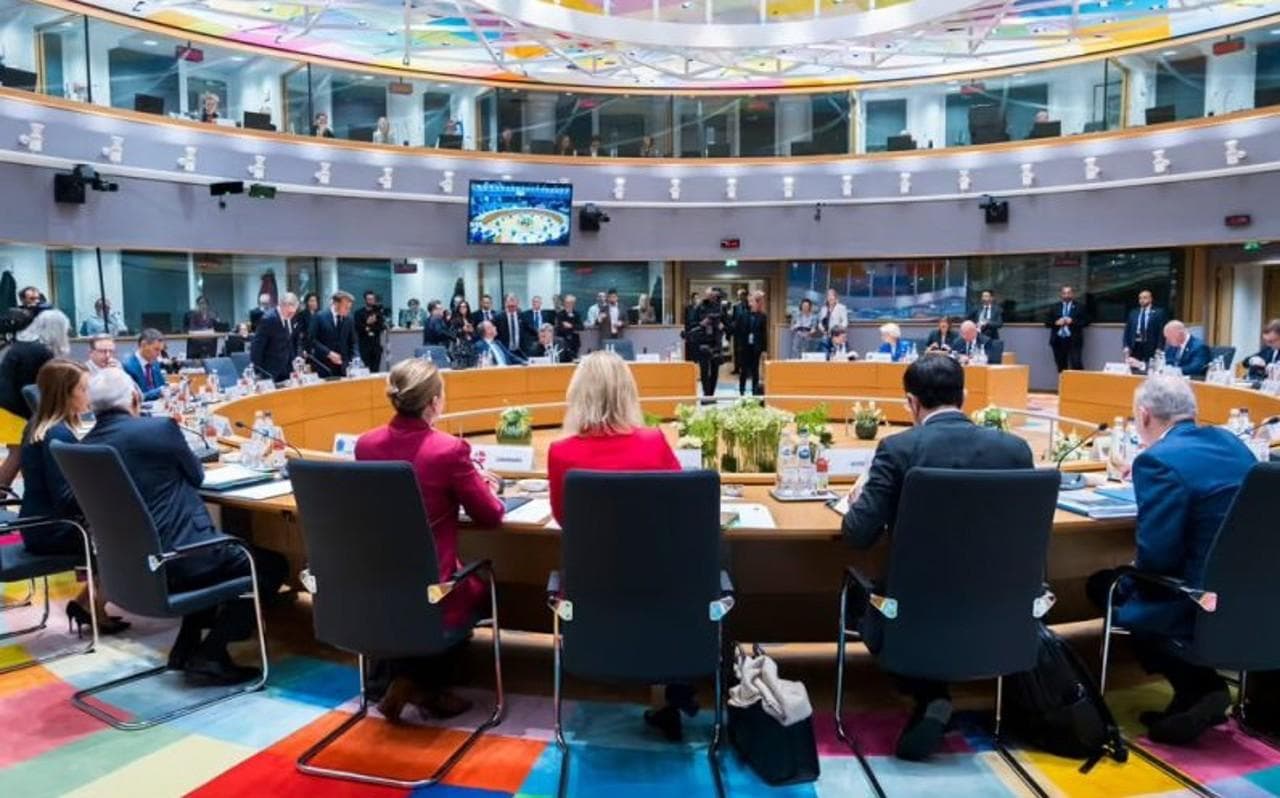
The topline hides a structural fight. Around €68 billion of the research money would sit inside a new European Competitiveness Fund, prompting fears that industrial priorities could crowd out curiosity-driven science. On 16 June 2026 the Council agreed a partial negotiating position on that fund, opening months of bargaining over how ring-fenced the research spending will be.

Research Commissioner Ekaterina Zaharieva has tried to hold a line between rival camps. Presenting the structure to EU research ministers, she urged the science community to keep backing the Commission so the bloc ends up with a strong standalone programme and a doubled budget once talks conclude in 2027.

Parliament wants more. Lawmakers have floated a figure as high as €220 billion, which would more than double the current programme. Zaharieva has poured cold water on that ambition.

“I am not able to commit on that,” Zaharieva told those pressing for €220 billion, warning that member states will not sign off on numbers that size.

Universities and research institutes have piled in on the side of a bigger, protected budget. In coordinated submissions, groups including the European University Association proposed joint amendments to the regulation, arguing for a stronger standalone programme, simpler rules and a firewall around excellence-based funding awarded by the European Research Council.

Their worry is dilution. If research cash flows through a competitiveness fund aimed at scaling up industry, they fear grant winners could be chosen for market potential rather than scientific merit. The Commission counters that pairing research with industrial policy is exactly how Europe turns discoveries into companies and jobs.

The stakes reach beyond laboratories. Horizon Europe funds everything from cancer research and climate modelling to quantum computing and clean energy, and its grants often decide whether promising teams stay in Europe or leave for better-funded rivals abroad. A budget that doubles on paper but leaks into other priorities could still leave scientists short.

What comes next is a long grind. The proposal must survive years of haggling between Parliament and member states, with trilogue negotiations expected from late 2026, final adoption pencilled in for summer 2027, and the first calls opening on 1 January 2028. Between now and then, every billion is contested, and the research community has signalled it will fight for each one.