Brussels: The European Commission unveiled five joint defence projects on 3 July 2026, launching a shared industrial push to shield the bloc against drones, missiles and threats along its eastern border. Commissioner for Defence and Space Andrius Kubilius presented the plan as the first batch of European Defence Projects of Common Interest, the EU’s new label for cross-border military programmes.
The Commission drew €325 million from the €1.5 billion European Defence Industry Programme to seed the five defence projects. Each targets a capability gap that member states have struggled to close alone.
The five priority areas span:
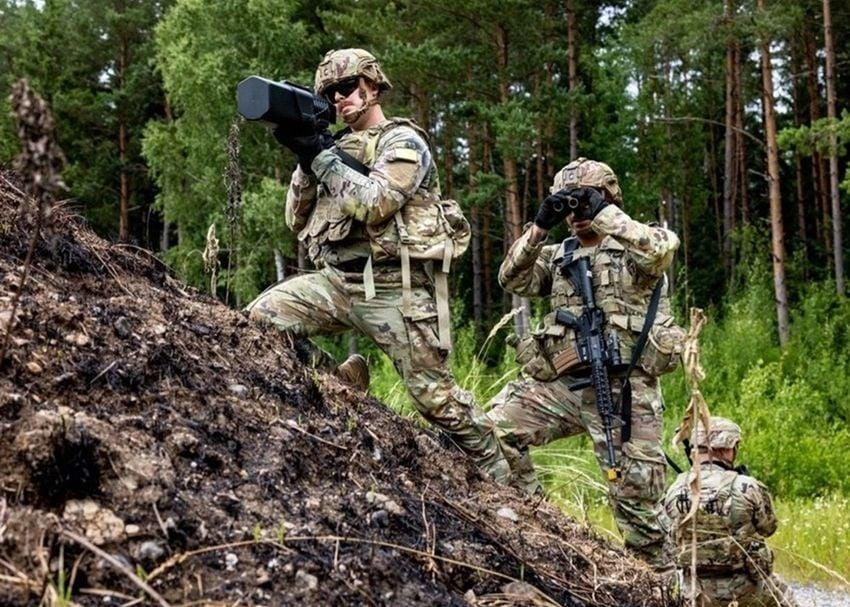
- drones and counter-drone systems, drawing on lessons from Ukraine;
- maritime and seabed defence, including protection for undersea cables and pipelines;
- space assets and secure communications;
- air and missile defence, the backbone of a planned European Air Shield;
- and the Eastern Flank Watch, a surveillance line stretching from the Baltic to the Black Sea.
Kubilius framed the defence projects as a down payment on a far larger build-out. The Commission estimates the flagship shields carry a combined funding ambition of around €190 billion by 2036, money that would flow from national budgets, EU instruments and joint borrowing.
“These projects will make a direct contribution to a European Air, Maritime and Space Shield, to enhanced drone and counter-drone capabilities, and to securing the Eastern Flank Watch,” Kubilius said.
Finland and Poland agreed at a December 2025 summit to jointly lead the Eastern Flank Watch, which knits together sensors, radars and interceptors along the EU’s frontier with Russia and Belarus. Officials want the network to detect hybrid, cyber and conventional threats before they cross into member-state territory.
The drone strand carries the most political weight. Russia’s repeated incursions have exposed how poorly Europe defends against cheap, mass-produced aircraft, and commanders have watched Ukraine improvise a defence that older armies never designed. The Commission wants the initiative to reach initial operational capacity by the end of 2026 and full strength by the end of 2027.
Funding remains the hard part. The €325 million seed is a fraction of the tens of billions the shields will eventually demand, and member states still argue over how much to raise jointly. Brussels has floated using interest generated on immobilised Russian assets, with €6 billion earmarked to expand Ukraine’s own drone production.
The five projects grew out of the Commission’s defence readiness roadmap, which set 2030 as the date by which the EU should be able to deter a major conflict. That roadmap followed a decade in which European armies shrank and defence industries idled, leaving stockpiles thin when war returned to the continent.
National governments now have to agree on governance, procurement rules and how to divide industrial work before the projects move from paper to production lines. Parliament, which has pressed for more common funding, will scrutinise the spending. If the model works, the Commission expects more Projects of Common Interest to follow, turning a fragmented market into something closer to a single European defence base.