Brussels: The Digital Fairness Act is about two weeks from its expected unveiling, and the proposal will decide how far EU consumer law reaches into online design. Commissioner Michael McGrath, an Irishman who has called the file the missing piece of the puzzle in the EU’s digital rulebook, is due to present it to the College of Commissioners on 11 November 2026.
The Digital Fairness Act has been in preparation for more than two years and has slipped several times on the Commission’s agenda. Its purpose is to clarify what traders may and may not do online and to close gaps in consumer protection that existing laws leave open. The public consultation in 2025 drew over 4,300 responses, and more than 90 percent came from citizens.
Four problems sit at the core: dark patterns, influencer marketing, addictive design and personalisation that exploits consumer vulnerabilities. McGrath has said the Digital Fairness Act will also address newer concerns such as unfair ticketing for live events. Consultation respondents also raised unclear contract terms with video game companies and asked for more accountability from online platforms.
Definitions will cause the sharpest fights. A narrow definition of vulnerability could create friction for firms that serve older people or people with disabilities. The concept of dark patterns dates back to the 2005 Unfair Commercial Practices Directive, and the Digital Services Act describes them as practices that materially distort or impair users’ ability to make informed choices. The 2024 regulation on political advertising also refers to them.
Industry groups already argue that the Digital Fairness Act risks duplicating rules. The AI Act, the Digital Services Act and the 2011 Consumer Rights Directive cover parts of the same ground, and trade bodies want the Commission to prove that each new obligation fills a real gap. Consumer organisations reply that enforcement against deceptive design has been uneven and that clear rules would help regulators act faster.
The Commission is also expected to pair the Digital Fairness Act with an enforcement initiative on 11 November. A separate proposal on protecting minors online will run alongside it, which means lawmakers will handle two linked files at once.
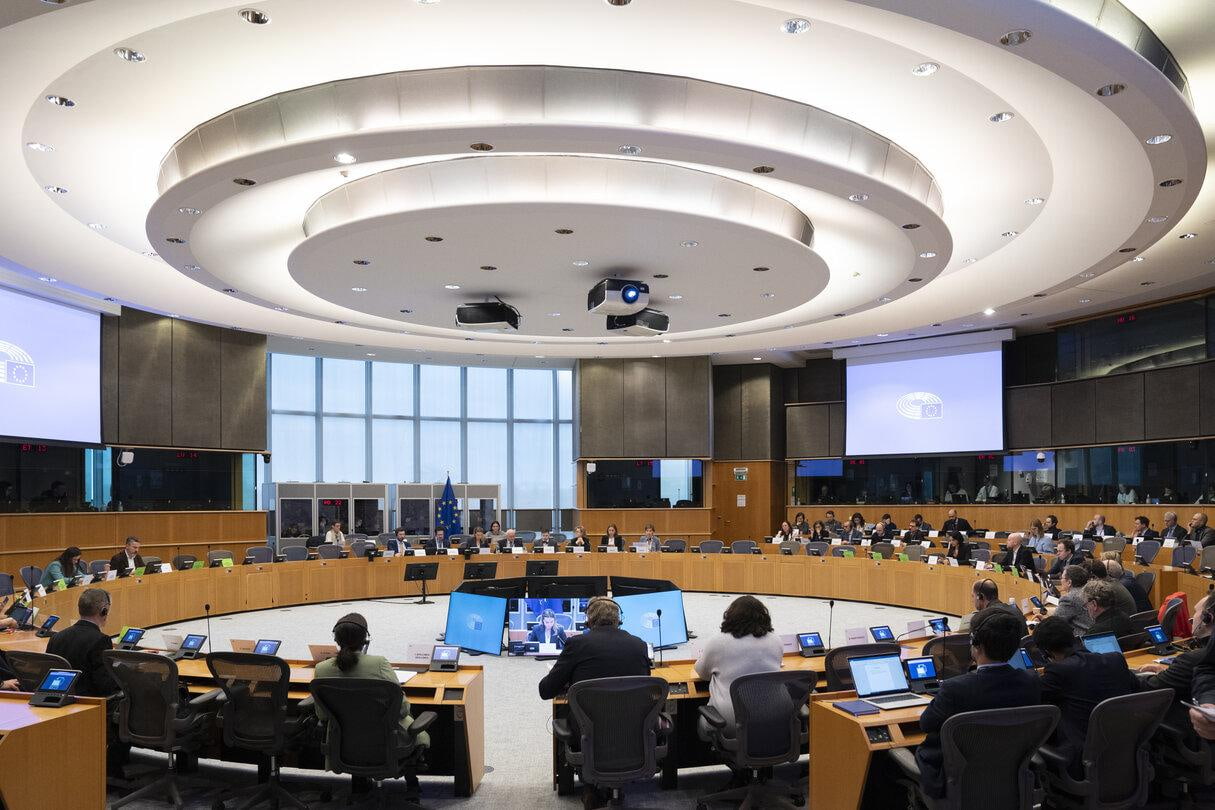
In Parliament, the Internal Market and Consumer Protection Committee is likely to lead, while the Civil Liberties Committee may claim a share on discrimination, privacy and fundamental rights. That split could slow the file.
The date matters because the 2027 work programme follows on 4 November, and the Commission has little room left to delay again. If McGrath delivers on 11 November, the Digital Fairness Act will open a long negotiation in which the line between persuasion and manipulation becomes law.