November 8, 2026
LATEST
Rape Definition Gap Persists Two Years After EU DirectiveBanking Competitiveness Report Vote Slips To 1 DecemberUkraine Accession Clusters Four And Five Stay Shut After Hungary DealEU Steel Measure Caps Tariff-Free Imports At 18.3 Million TonnesAI Act Omnibus Sets 2 December Deadline For Deepfake WatermarksTürkiye EU Report Row Clouds Customs Union Upgrade HopesWestern Balkans Roaming Talks Test Brussels Integration PledgeRail Ticketing Package Reaches Ministers With Gaps OpenMarket Integration Package Narrows As ESMA Powers ShrinkWolf Protection Rules Meet Sweden’s 72-Wolf Hunt TestPay Transparency Directive Deadline Passes With Only Four States ReadyHolding Cap Fight Shadows Digital Euro Law Ahead Of Council TalksCBAM Expansion Talks Test Whether Finished Goods Face Carbon LevyIsraeli Settlement Imports Ban Splits Commission And CouncilUnlimited Pesticide Approvals Face Public Rejection In PollMethane Import Rules Delayed A Year With Review ClauseSustainable Tourism Strategy Hands Europe A Toolbox For Crowded CitiesPharma Package Heads To Parliament After Council Backs Drug ReformRussia Sanctions Alignment Pulls Nine Partners Into Arms ListingsBrazil Farm Exports Jump 14.8 Percent Under EU Mercosur Trade DealRape Definition Gap Persists Two Years After EU DirectiveBanking Competitiveness Report Vote Slips To 1 DecemberUkraine Accession Clusters Four And Five Stay Shut After Hungary DealEU Steel Measure Caps Tariff-Free Imports At 18.3 Million TonnesAI Act Omnibus Sets 2 December Deadline For Deepfake WatermarksTürkiye EU Report Row Clouds Customs Union Upgrade HopesWestern Balkans Roaming Talks Test Brussels Integration PledgeRail Ticketing Package Reaches Ministers With Gaps OpenMarket Integration Package Narrows As ESMA Powers ShrinkWolf Protection Rules Meet Sweden’s 72-Wolf Hunt TestPay Transparency Directive Deadline Passes With Only Four States ReadyHolding Cap Fight Shadows Digital Euro Law Ahead Of Council TalksCBAM Expansion Talks Test Whether Finished Goods Face Carbon LevyIsraeli Settlement Imports Ban Splits Commission And CouncilUnlimited Pesticide Approvals Face Public Rejection In PollMethane Import Rules Delayed A Year With Review ClauseSustainable Tourism Strategy Hands Europe A Toolbox For Crowded CitiesPharma Package Heads To Parliament After Council Backs Drug ReformRussia Sanctions Alignment Pulls Nine Partners Into Arms ListingsBrazil Farm Exports Jump 14.8 Percent Under EU Mercosur Trade Deal

Carbon Cap Rewritten as EU ETS Phase 5 Takes Shape

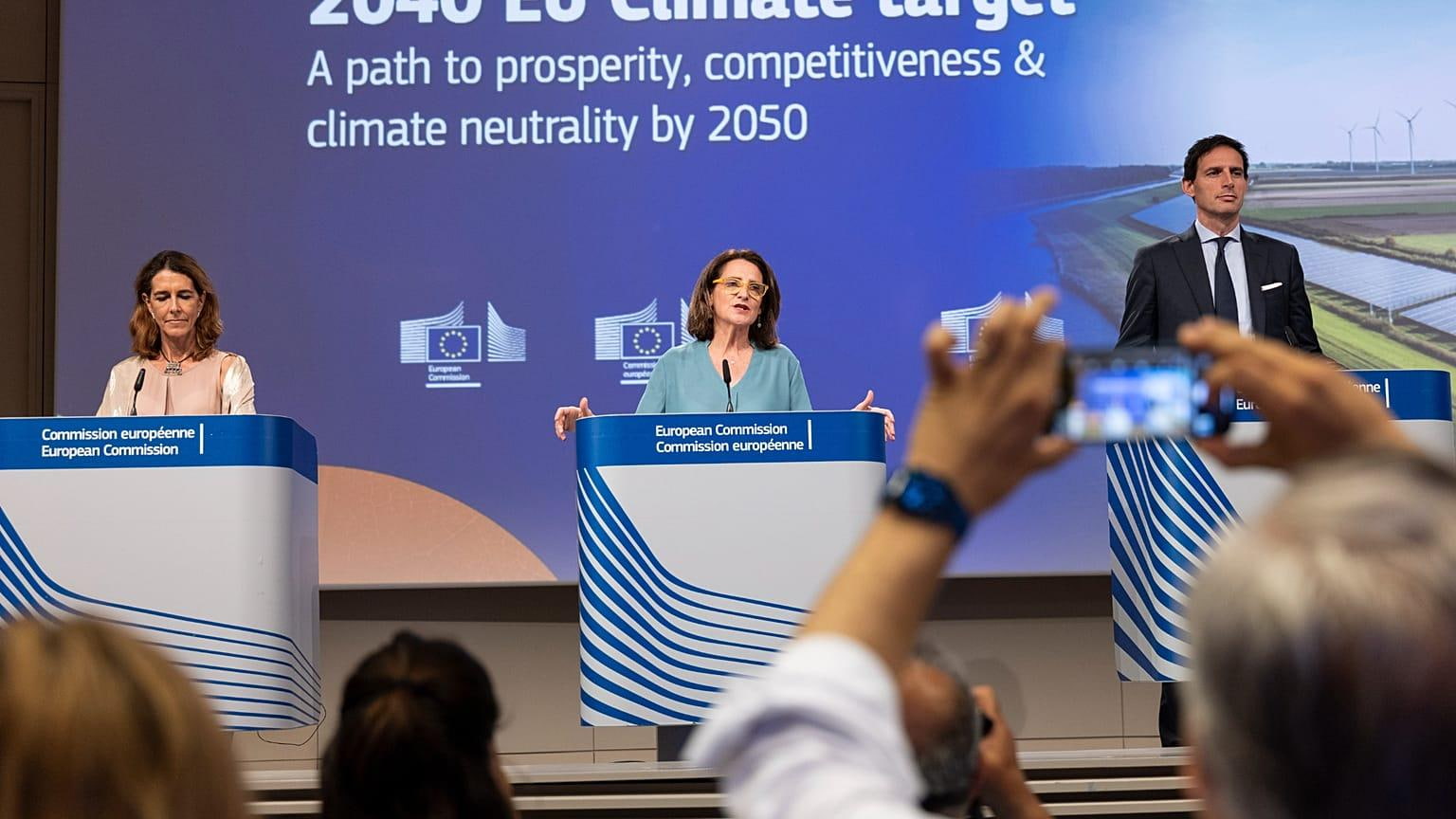
The EU ETS Phase 5 proposal tabled by the European Commission on 17 July 2026 sets the rules for the bloc’s carbon market from 2031 to 2040. It is the first full redesign since the 2040 target of a 90% net emissions cut against 1990 was agreed, and it now enters the ordinary legislative procedure in Parliament and Council.

What the EU ETS Phase 5 cap actually does

The core of the text is a slower glide path for the cap. The Linear Reduction Factor would fall to 3.7% a year for 2031 to 2035 and to 1.7% from 2036, compared with 4.3% for 2024 to 2027 and 4.4% from 2028 under current law. The arithmetic matters: a smaller annual cut means allowances continue to be issued into the 2040s, so the system is built to land at the 2040 target through removals and credits rather than through steeper domestic cuts alone.

The Commission pairs the EU ETS Phase 5 cap with a rebuilt Market Stability Reserve. From 2028 the intake rate is halved from 24% to 12%, a new lower buffer is added with thresholds of 300 million and 400 million allowances, and the invalidation mechanism is dropped so surplus allowances stay available as a cushion. Reference points would shrink by 4% a year from 2029. For traders, this is a signal that price spikes are meant to be cushioned more actively than before.

Free allocation, CBAM and industrial decarbonisation

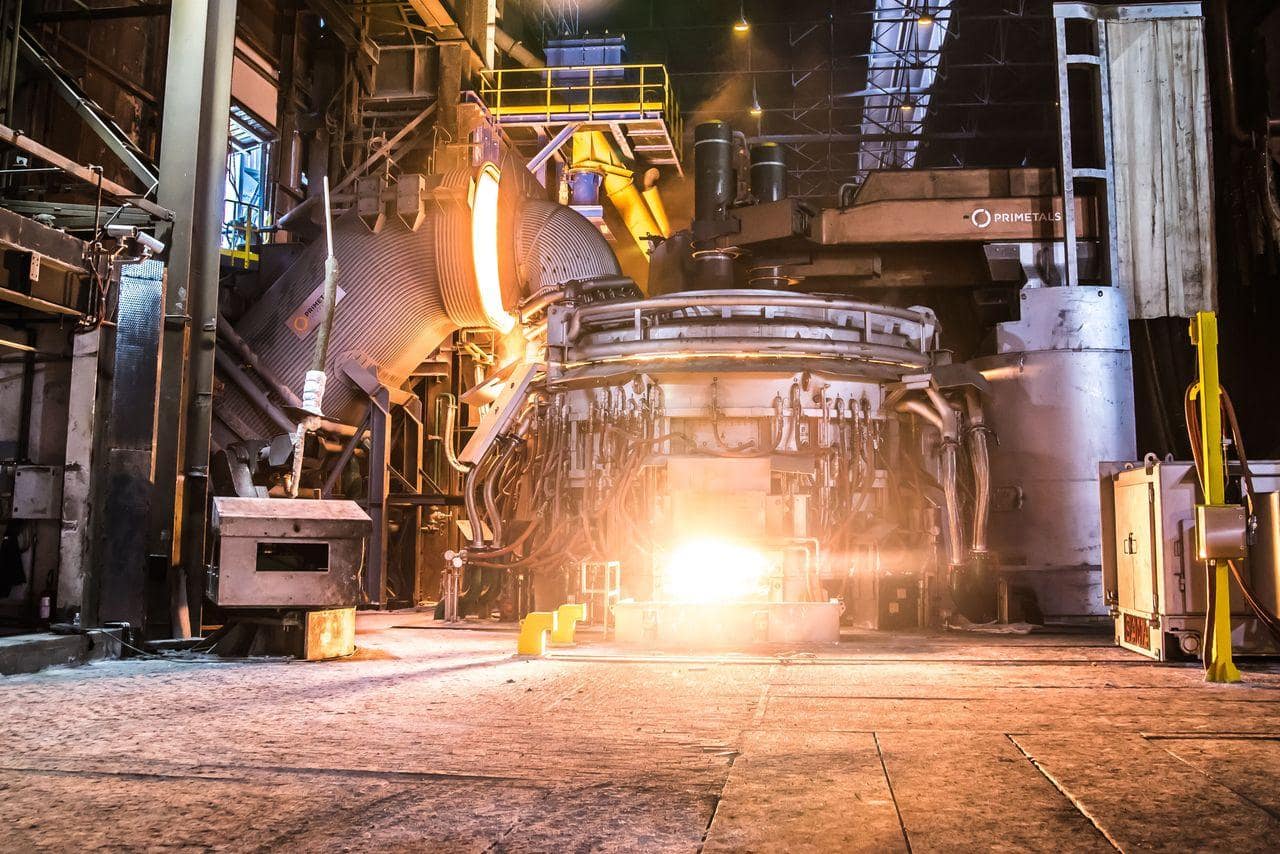
Free allocation under EU ETS Phase 5 is extended to 2040, but with strings attached. From 2031 it depends on a verified decarbonisation investment plan, with 80% of the allowances released once the plan is approved and 20% tied to later emissions cuts. For sectors covered by the Carbon Border Adjustment Mechanism, 15% of phased-out free allocation is reintroduced from 2028, which stretches the phase-out to 2038. This is a direct attempt to protect exporters while the border levy matures.

An Industrial Decarbonisation Bank would start in 2028. Its first phase reserves 400 million allowances for fixed carbon premia, and from 2031 it moves to competitive bidding for carbon contracts for difference. At least half of auction revenue must go to priority areas, and support for fossil lock-in is prohibited.

Credits, removals and new sectors

The most debated feature of EU ETS Phase 5 is international credits. From 2036, up to 260 million allowances would be auctioned to finance up to 260 megatonnes of Article 6 credits for 2036 to 2040, with a market report due by January 2033. Alongside that, the cap rises by 250 million allowances to be auctioned between 2031 and 2040 to buy certified BioCCS and direct air capture removals under the Carbon Removals and Carbon Farming Regulation, with a 10 million contingency.

Coverage widens too. Waste incineration is phased in between 2031 and 2034. Maritime coverage reaches vessels of 400 to 5,000 gross tonnes. Aviation keeps its “stop the clock” limit on full extension, with a review in 2032, and flights to countries within 5,000 kilometres are brought in from 2029, with 20 million allowances set aside to support sustainable aviation fuel.

Why the 2026 ETS review is politically fragile

Critics of weaker annual cuts will argue that the proposal leans on credits and removals that are costly, hard to verify and not yet available at scale. Industry will counter that conditional free allocation and an investment bank are the only way to keep heavy industry in Europe during the transition. Both camps have a point, which is why the 2026 ETS review is unlikely to pass unchanged.

The timetable for EU ETS Phase 5 is tight. Leaders want a political agreement by the end of the first quarter of 2027, and a separate proposal adds roughly 80 million allowances through adjusted benchmarks for 2026 to 2030. Further legislation on credits is planned later this year.

What happens next

Expect the debate over EU ETS Phase 5 to centre on three questions: how much of the 2040 effort may be met abroad, how strict the investment-plan conditions for free allocation will be, and whether the Market Stability Reserve changes truly dampen volatility. The answers will define carbon prices and industrial investment for a decade, and the EU ETS Phase 5 text is where those trade-offs are first written down.