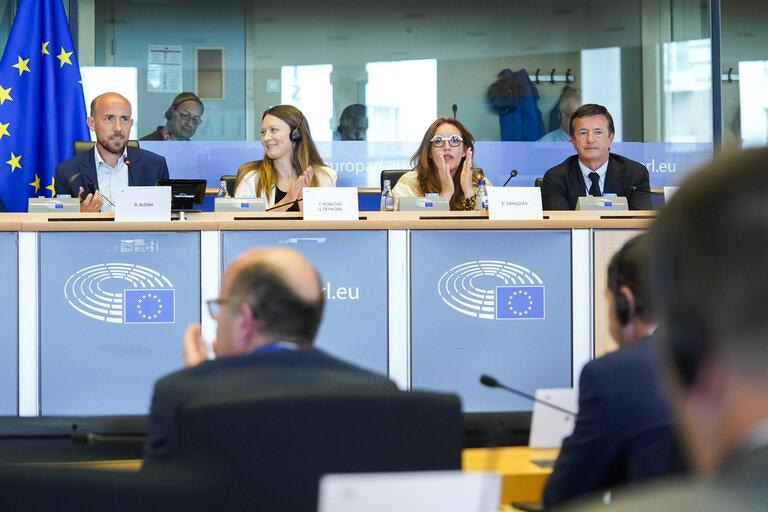
Frankfurt: The digital euro cleared its first major parliamentary hurdle on 23 June 2026, when the Economic and Monetary Affairs Committee adopted its position by 43 votes to 14, with one abstention. Rapporteur Fernando Navarrete Rojas said the digital euro would complement cash and never replace it, and the text now moves toward negotiations with member states.
The committee design splits the digital euro into two parts. Online payments run through an account-based system, while offline payments use local storage devices that behave like cash: lose the device and you lose the money. Privacy tools would verify transactions without revealing personal data, and the European Central Bank would not see who is paying. The ECB set out its own case in a February 2026 speech on the project.
Fees and limits will shape how people use it. Basic services such as opening an account and receiving a payment instrument stay free, offline payments carry no fee at all, and the law caps merchant and inter-provider charges. The Commission would set a ceiling on individual holdings at EU level, based on ECB recommendations, and review it at least every two years. Businesses could hold digital euros only to collect incoming payments for up to 24 hours, and the currency pays no interest.
Most businesses would have to accept it, though the self-employed and micro enterprises that take no other digital payments are exempt. Merchants may refuse it briefly in cases such as power outages. The committee also backed separate texts that protect cash, so euro area countries must keep notes and coins accessible, and shops may not ban cash with “no cash” signs or contract terms.
The holding cap is the likely flashpoint. The ceiling decides how much money can move into the digital euro, so lawmakers, banks and the ECB will argue over where to set it. The 24-month rollout timeline reported in some coverage deserves checking against the final text.
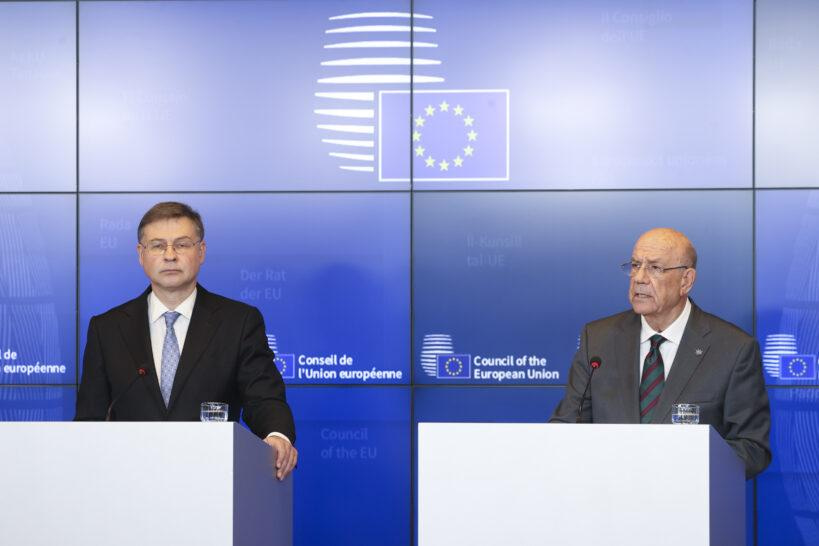
Negotiating mandates for the three files were due at the start of the July plenary session, and the Council must still agree its own position before trilogues can finish the legislation. No source reviewed here reports what happened after the committee vote, so readers should check the Parliament Legislative Observatory for the current stage.
For consumers and retailers the next year will bring detail, not a launch. The digital euro still needs a deal between Parliament and the Council, and the fight over holding limits, fees and cash safeguards will decide whether Europe gets a payment tool that people trust and actually use.