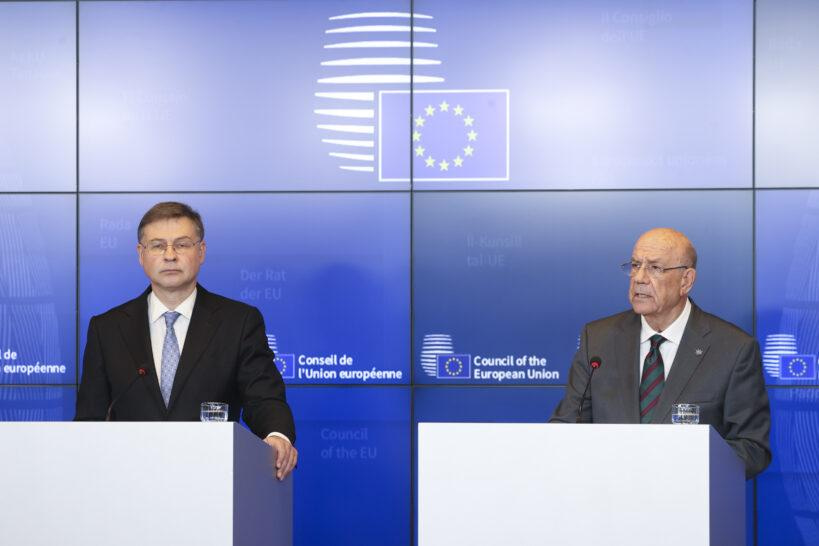
Nicosia: CBAM expansion is the next big test for the EU carbon border levy, after finance ministers agreed the Council’s negotiating position on 12 June 2026 under the Cyprus presidency. The Council wants to stretch the Carbon Border Adjustment Mechanism beyond raw materials to selected downstream products, and it aims to settle the file with Parliament before the end of the year.
The mechanism has applied in full since 1 January 2026. It currently covers iron and steel, cement, fertilisers, aluminium, electricity and hydrogen, and importers of those goods must account for the carbon embedded in them. The Council press release says ministers refined the list of new products and closed loopholes that let importers avoid the charge.
Three changes sit at the heart of CBAM expansion. First, the Council adds selected downstream products that use carbon-intensive inputs, so that a producer cannot dodge the levy by shipping a finished component instead of raw steel. Second, it brings pre-consumer metal scrap into scope. Third, it gives the Commission powers to respond to deceptive practices that it finds in the reporting of high-risk companies.
The Council also sets a rule for the future. It wants the Commission to review downstream products every year and to propose further additions when the evidence supports them. That annual review turns CBAM expansion into a moving target, and manufacturers that buy imported metal parts will have to track each cycle.
Exemptions form the third strand. The text defines more precisely how the EU can exempt goods in serious and unforeseen circumstances, and the Council asked for clear, objective criteria, including the risk of severe price increases for European buyers. Cypriot Finance Minister Makis Keravnos, who chaired the meeting, called the agreed position the first step in making the system more robust.
Parliament has to adopt its own mandate before formal trilogues start, and the Environment Committee is reported to lead its work. The two institutions disagree on how far CBAM expansion should reach into downstream goods and how much power the Commission should hold to suspend the mechanism in an emergency. Trade partners will watch closely, because wider coverage raises compliance costs for exporters.
Readers should note the limits of the public record. The Council page gives no product list, thresholds or percentages, and one trade report claims the Council roughly doubled the number of goods without any confirmation in the official text. The outcome of the trilogues is not yet public in the sources reviewed.
The practical message for 2026 is simple. Importers of steel and aluminium parts should map their supply chains now, because CBAM expansion will arrive with little warning once negotiators agree a final text, and the annual review means the list will keep growing.