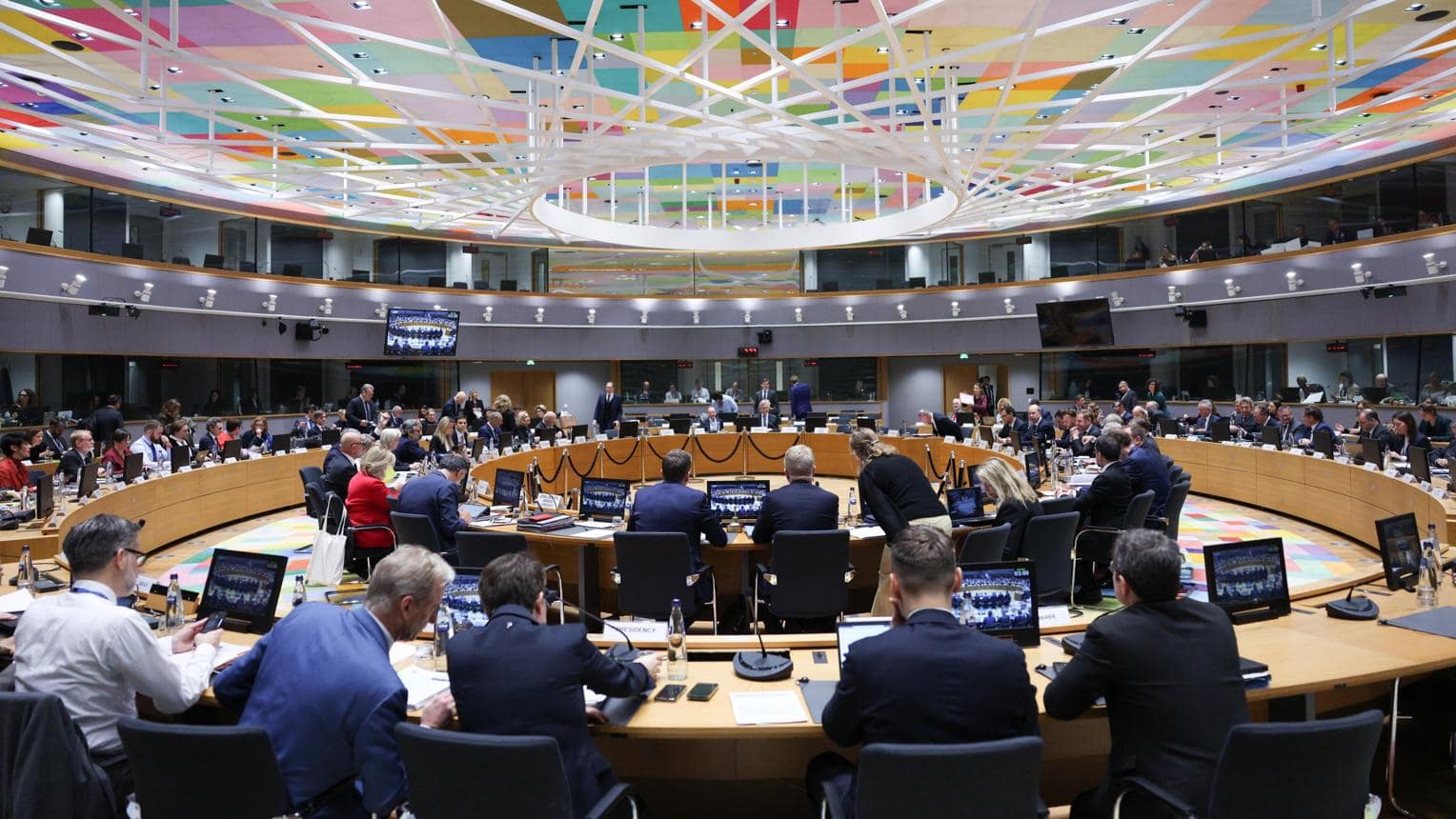
The methane import rules for oil and gas will now start a year later than planned, after EU ambassadors agreed on 6 November 2026 to delay them while adding a review that could push the schedule back further. It was the third attempt in a matter of weeks to settle the question, and member states ended up backing a compromise drafted by the Irish Council presidency.
Under the deal, importers must begin monitoring, reporting and verification of methane emissions on 1 January 2028 instead of 1 January 2027. Reporting on the methane intensity of imported oil, gas and coal is postponed to 5 August 2029, and the maximum intensity limits will apply from 5 August 2031, one year later than the original timetable. The text keeps the one-year delay that the European Commission proposed in October, after a long period in which it had refused to propose any postponement.
The review clause is where the real argument sits. The compromise asks the Commission to assess whether importers can actually comply with the methane import rules before 30 September 2027. If that assessment finds that suppliers cannot meet the requirements, the door is open to a further delay, which is exactly what campaigners fear. Léa Pilsner of Environmental Defense Fund Europe said that on paper this is a one-year delay, but that in practice it slices up the regulation.
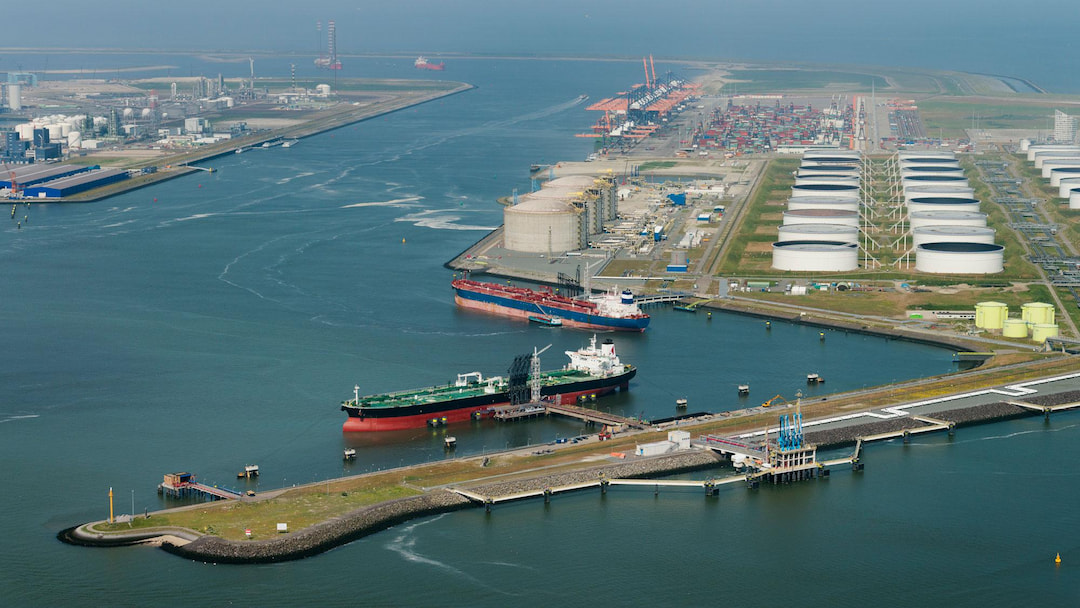
Pressure for postponement came from several directions. Oil and gas producers, the Trump administration and a growing group of member states argued that the rules created supply and legal risks for European buyers. Defenders of the original timetable answer that Europe imports most of the gas it burns, so the methane import rules are the only tool that reaches emissions released outside EU borders. Campaigners have also taken the Commission to the EU Ombudsman over the delay.
The decision does not close the file. The Council position still has to be negotiated with the European Parliament, and the Commission’s compliance assessment due before 30 September 2027 will become the next flashpoint. For importers, the practical message is to keep building measurement and reporting systems, because a one-year pause is not a cancellation, and the methane import rules remain on the statute book with new dates attached.
For EU climate policy, the methane import rules now serve as an early test of whether the Union can hold its line on imported emissions when energy security arguments run hot. How the 2027 review is framed will show whether the 2028 start date is a firm commitment or only the first of several moving targets.